Smith & Wesson Revolvers Don’t Have a QC Problem
If you follow revolvers at all, mentions of quality control (QC) problems with S&W revolvers are unavoidable. In blog posts,YouTube videos, and in social media posts, everyone is griping about Smith’s QC problems. I have a different theory - maybe a different complaint is a better way to put it - about Smith & Wesson revolvers. In my opinion, Smith & Wesson revolvers don’t have a QC problem. Instead, Smith & Wesson just has a plain ol’ quality problem.

This article contains affiliate links. Using these links gives us a small commission but costs you nothing. Please consider using our Amazon link to support this blog.
Disclaimer about Smith & Wesson
First, I’m not just bashing Smith & Wesson. I happen to really like a lot of their products. I carry a Smith & Wesson Bodyguard 2.0 on duty, every single day. I’ve never worked a shift without it on my ankle. I have fired over 1,100 rounds through this gun without a single malfunction. In fact, I like it so much that I just purchased a second slide that I can have cut for an optic. I’ve also had great luck with the M&P pistols I’ve owned. Based on reviews I’m even interested in some of S&W’s less conventional offerings like their FPC carbine and their new .22 Magnum pistol. But their revolvers? For the most part, I’ll pass.
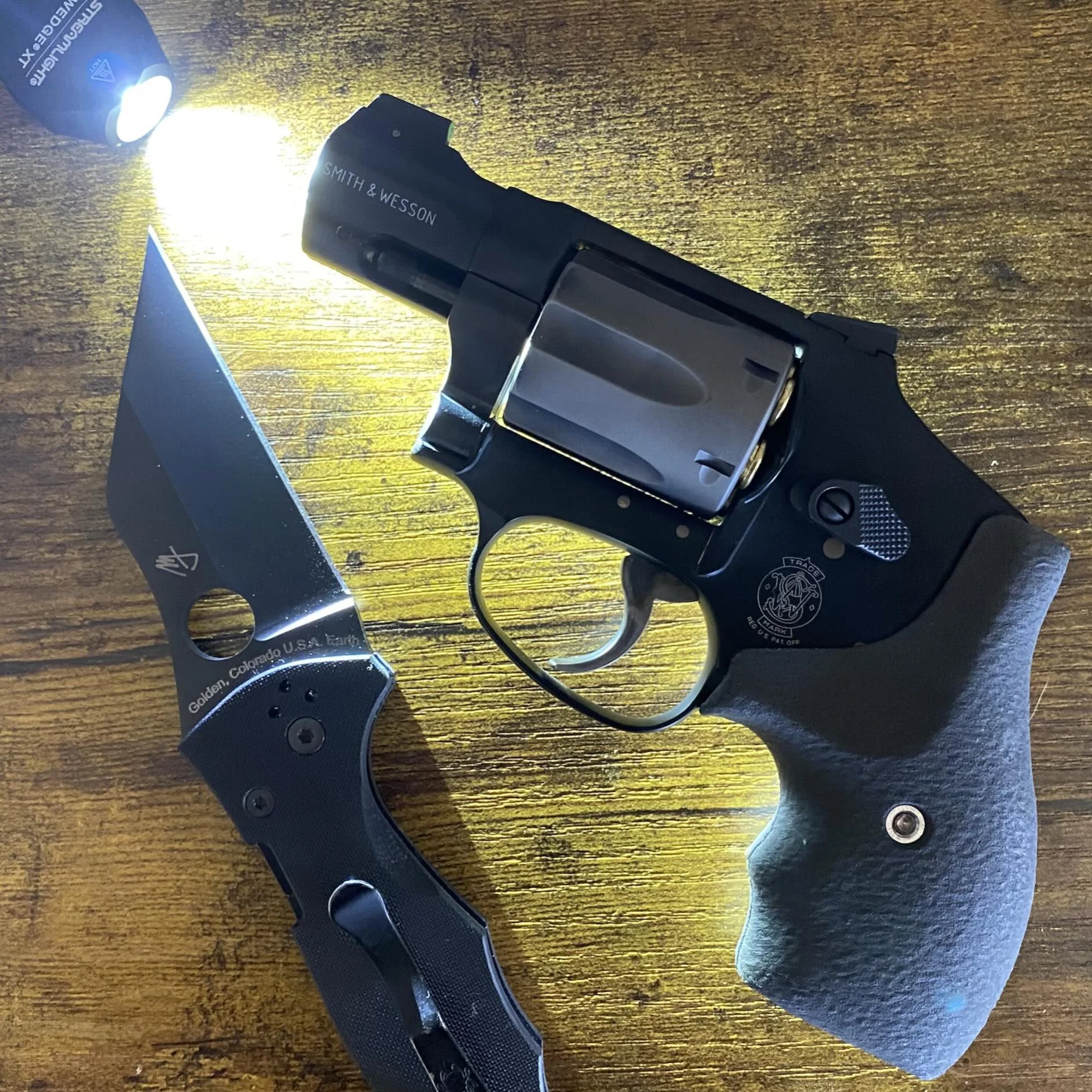
I really wanted to like this gun. It looks super cool, but it absolutely crumbled after a few hundred rounds.
Next, Smith & Wesson isn’t the only manufacturer struggling to make a working revolver. Ruger is reportedly having all sorts of problems in their revolver line, too. There are myriad issues with the SP101 and the GP100. Both of these, as well as their single-action revolvers, are plagued with cosmetic issues, timing issues, incorrectly cut chambers, and more. I don’t have a whole lot of experience with Ruger revolvers, so I’m going to stick with taking Smith & Wesson to task.
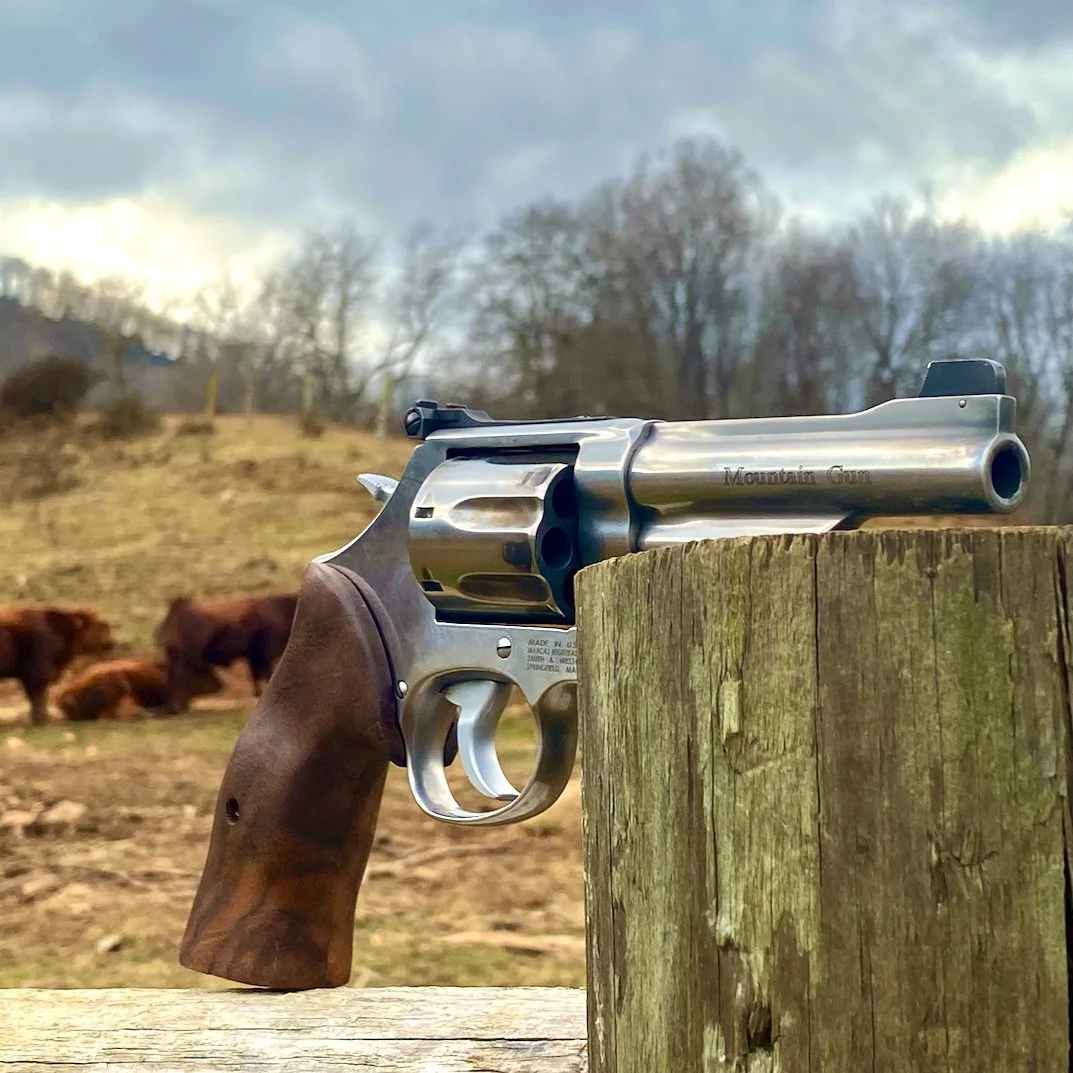
I tried hard to like this one, too.
Finally, I lied in the clickbait title: Smith & Wesson revolvers also have a QC problem. To be fair, they have a QUALITY problem first, but they have a QC problem, as well.
Quality Control
The idea for this discussion occurred to me when I was going through some paperwork in my gun safe. I ran across a “Wilson Combat Quality Control Checklist.” It is a list of quality control checks that were performed on my SFX9 prior to letting it slip out the door. The list of quality control inspections is lengthy, running a full page. They were performed over the course of 62 days, as the gun was being built through the day it was test fired and received its final inspection. Each item is initialed by someone at Wilson Combat. Here are a few of those items:
Barrel throat has been properly cut,
Slide meets WC cosmetic standards,
Trigger stirrup/magazine clearance,
Everything on the work order has been done as specified item by item,
Extractor tension is correct before function testing, and,
Overall job meets my approval (this bullet appears at the end of each of four categories)
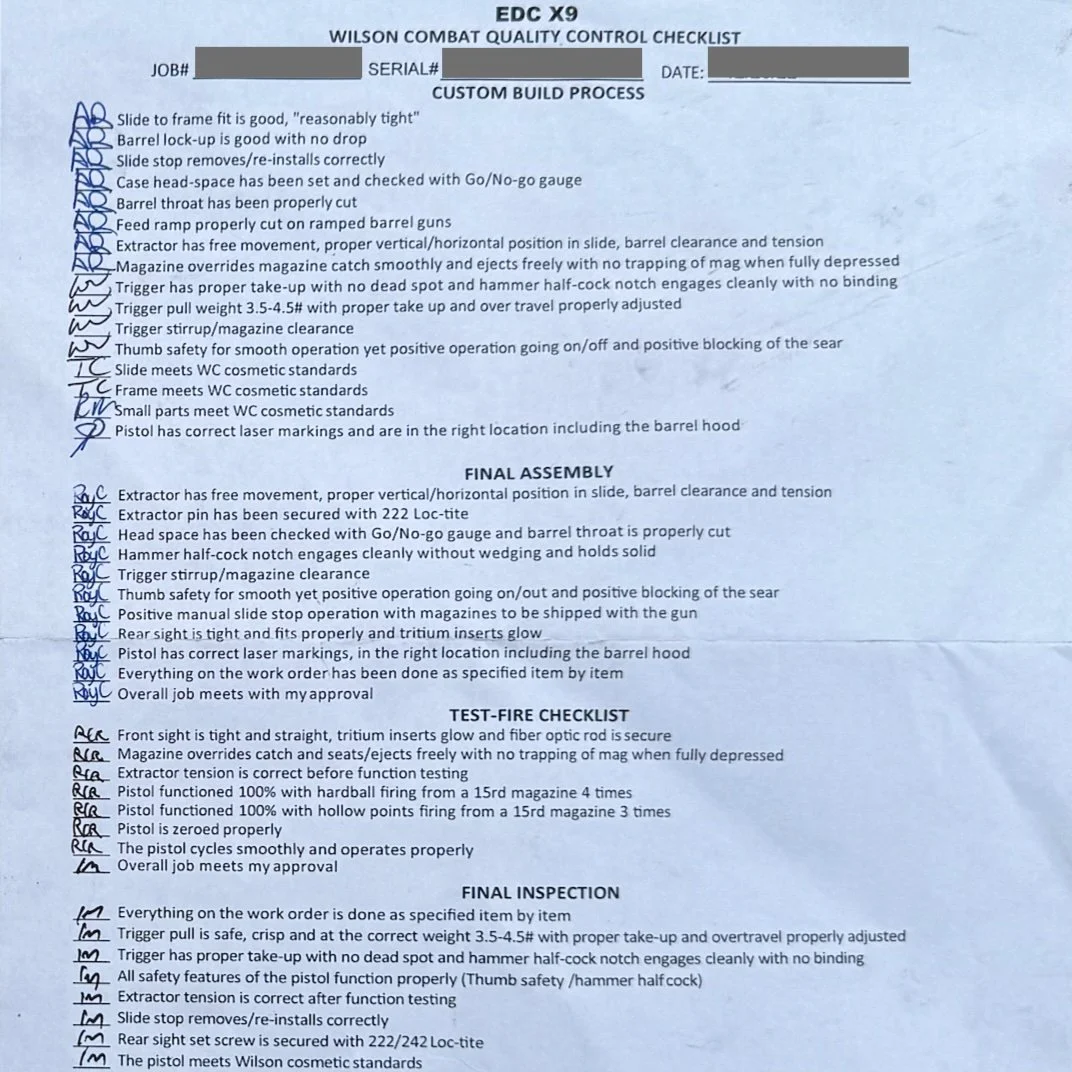
Quality control is a system designed to ensure tolerances, standards, and customer expectations. As the Wilson Combat quality control checklist indicates quality control is - or should be - an iterative process. Periodic inspections, measurements, and tests make sure the gun is up to snuff before it moves on in the production process and certainly before it ships. Flaws in the system, as revealed via thorough QC, should cause a stop in production until the problem is fixed.
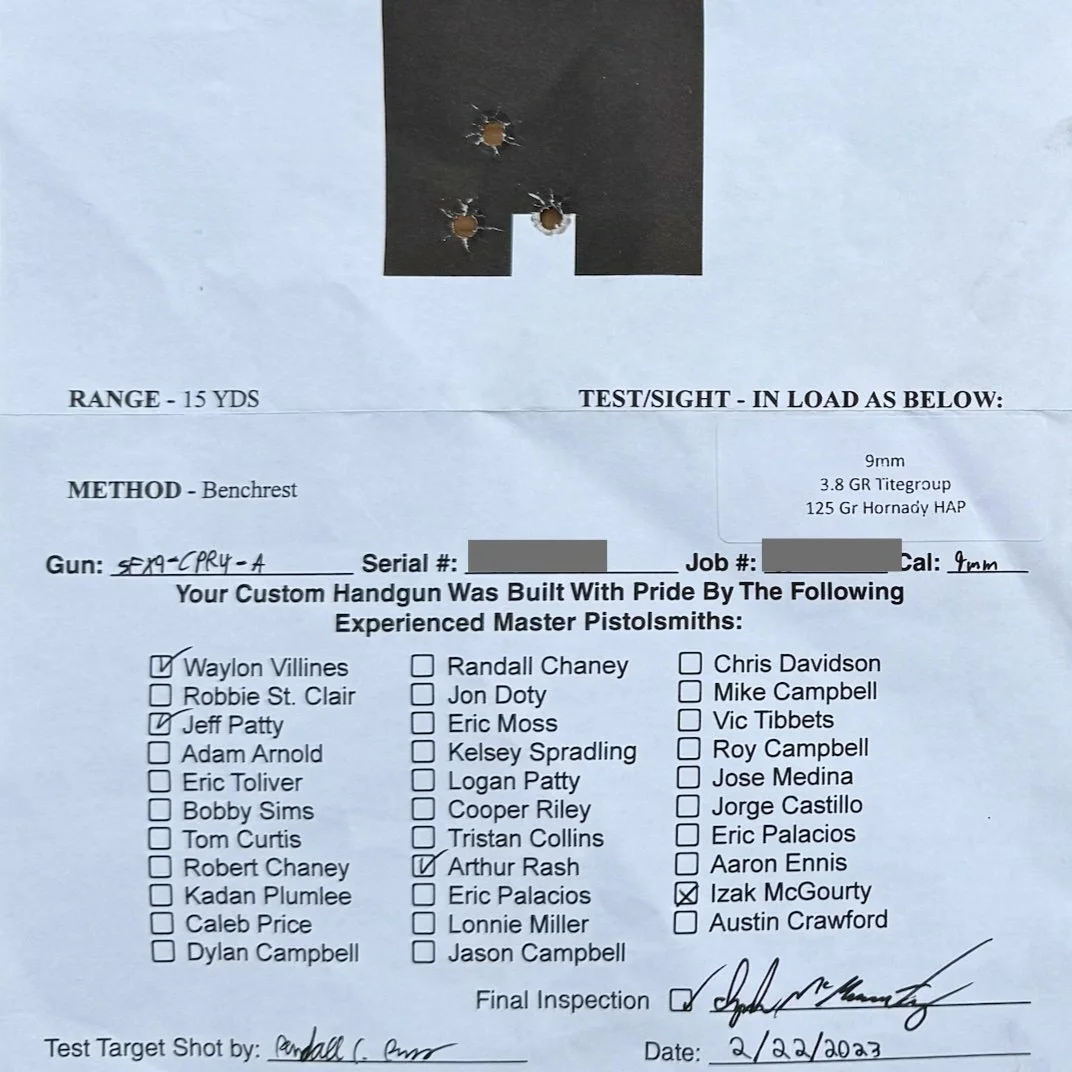
I would contend that Smith & Wesson’s problem is QC if guns are shipping with minor problems, or a few guns are shipped with a problem that is quickly corrected. Unfortunately it seems like a whole lot of revolvers are leaving with unnoticed and uncorrected problems. Some of these are gross machining errors that reflect a decline in quality, not just a failure to catch the odd mistake. My experience with the 432 Ultimate Carry should illustrate this well.
The difference between quality and quality control is this: quality control is catching mistakes before the gun ships. Quality is making a gun that functions as intended in the first place. Smith & Wesson is failing spectacularly on both counts.
Recent Experience with S&W Revolver Quality
I have had the opportunity to review quite a few Smith & Wesson revolvers over the years. Almost a decade ago I started a blog called RevolverGuy.com. Ruger was the first company to trust me with a gun (a GP100 Match Champion). After that the floodgates opened, largely thanks to the efforts of my partner, Mike Wood. I have reviewed Colt, Kimber, North American Arms, RIA, Ruger, Smith & Wesson, and Taurus revolvers. I have attended numerous revolver classes, I own many revolvers, and I really enjoy shooting revolvers.
For a variety of reasons my interest in revolvers fell off, but last year was compelled to review a couple for RevolverGuy. The first was the Smith & Wesson 432 Ultimate Carry with a titanium cylinder. I thought this would make a superb backup weapon, weighing in under a pound and having a sixth shot of the potent .32 H&R Magnum. Unfortunately the first sample of this gun I reviewed had a variety of problems. The front sight roll pin walked out, the cylinder latch almost fell off, I had light strikes with both .32 S&W Long AND .32 H&R Magnum ammunition. But that’s not all. Next up was the weirdest revolver malfunction I’ve ever seen: the hammer pinning to the rear over a live round.
This is a really dangerous malfunction. In this demonstration I’m doing it on purpose, but I discovered it on accident. I was pulling the trigger and decided I didn’t want to shoot. I let go of the trigger, but it stayed put. What if this happens on the street? Had this been in a defensive situation where the bad guy decided to break off, now I would find myself with a very unsafe situation. how would I fix this? There’s really no good answer, and this malfunction is completely unacceptable.
Why is this a quality problem? There is some flaw in the trigger geometry or execution of trigger parts that is causing this malfunction. This is something that may or may not to be caught during a QC inspection, but that probably represents an underlying manufacturing problem.
I reported this malfunction to S&W and got a replacement gun. I was pretty put off, but willing to give the new gun a second chance. I had another light strike with .32 H&R Magnum, as shown above. But that wasn’t the worst of it. Upon ejecting empty brass, I found that it was possible to push the cylinder past the cylinder stop, well outside its allowable range of motion. I had never seen anything like this before and when this happened for the first time on the range, I was completely baffled. You can probably see my confusion in the video below.
Why is this a quality problem? This represents a significant design or machining error. It seems as though the cylinder stop is not prominent enough to catch the cylinder. This is a major issue.
I wrote a scathing review of the 432 UC Ti and sent it back to S&W. Next up, I reviewed a Smith & Wesson 686 Mountain Gun. My all-time favorite revolver is the 4-inch 686, so this was a special review for me. Unfortunately, I had a light primer strike with this gun, as well. I checked the strain screw - a common culprit - and it wasn’t loose. The light strike occurred at the very end of my ammo budget for that review, leaving this light strike unsatisfyingly unexplained.
Regardless, my confidence in S&W revolvers was shaken. Can I be the unluckiest person the world when it comes to Smith & Wesson revolvers? Turns out, no I am not.
Why is this a quality problem? Because it happens with a LOT of S&W revolvers (three of the last three I have reviewed, and a common complaint among S&W owners). It is a common issue, and one that S&W currently seems to be declining to correct.
Mike Wood at RevolverGuy
I’m not the only guy having problems with the Ultimate Carry line of revolvers. My close friend and guy carrying the flame over at RevolverGuy, MIke Wood has also had issues with these guns of late. Mike lives in California. The Ultimate Carry revolvers have only recently gotten on the California-approved list, so Mike is just now getting around to reviewing these wheelguns. When he showed up at his gun shop to pick up his 432 UC, he found that the cylinder rubbed against the barrel extension. It required some tapping to get the cylinder open, so Mike very reasonably rejected this revolver, sent it back, and requested another.
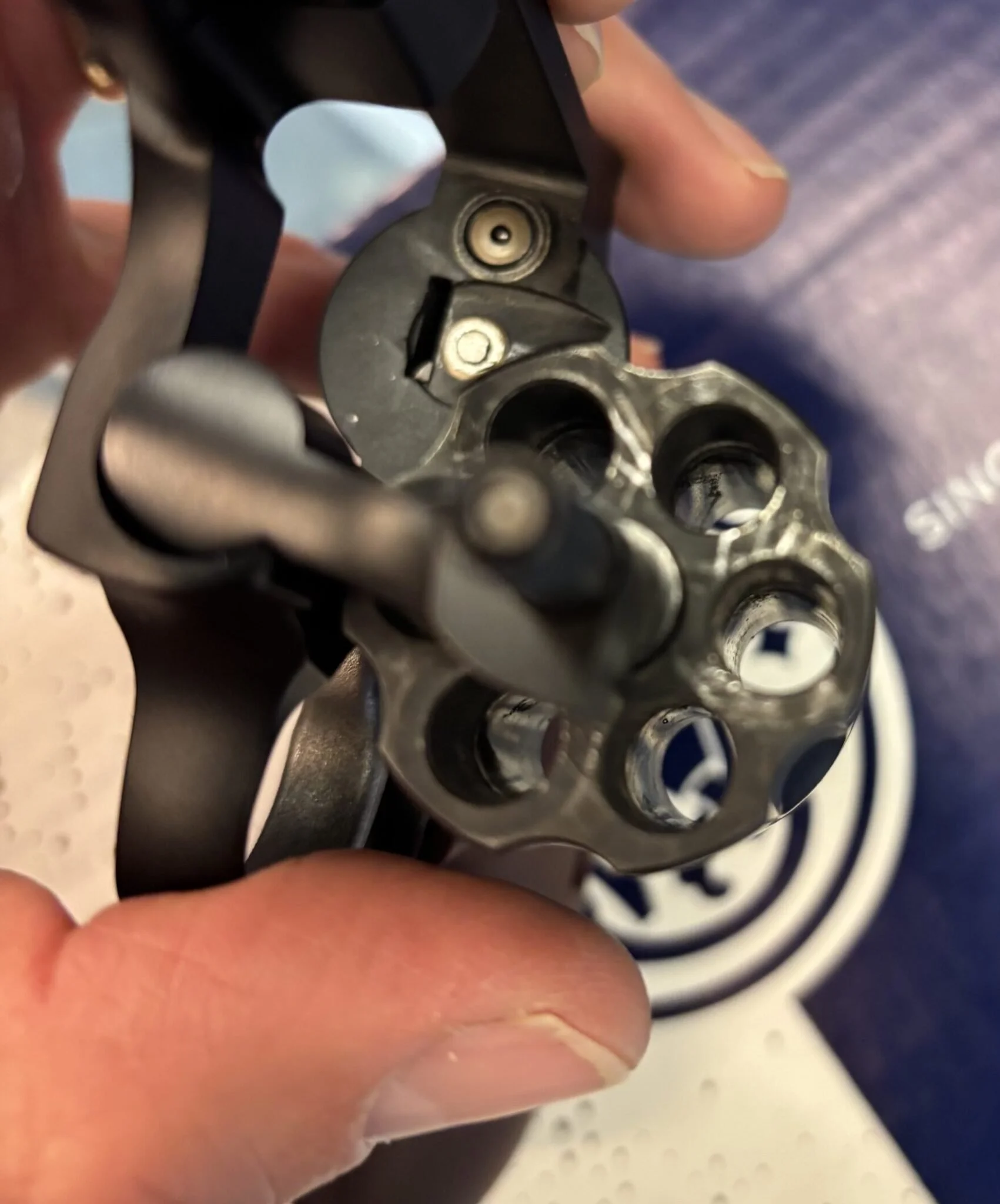
Photo courtesy Mike Wood.
Mike also had issues with the Smith & Wesson 632 Ultimate Carry. This gun (below) had an overclocked barrel. The barrel was tighten too tightly, leaving the front sight askew. It is difficult to see in the photograph, but if you look closely you can see it. The thing that makes this especially annoying is that the two-piece barrel system is intended to prevent exactly this problem!
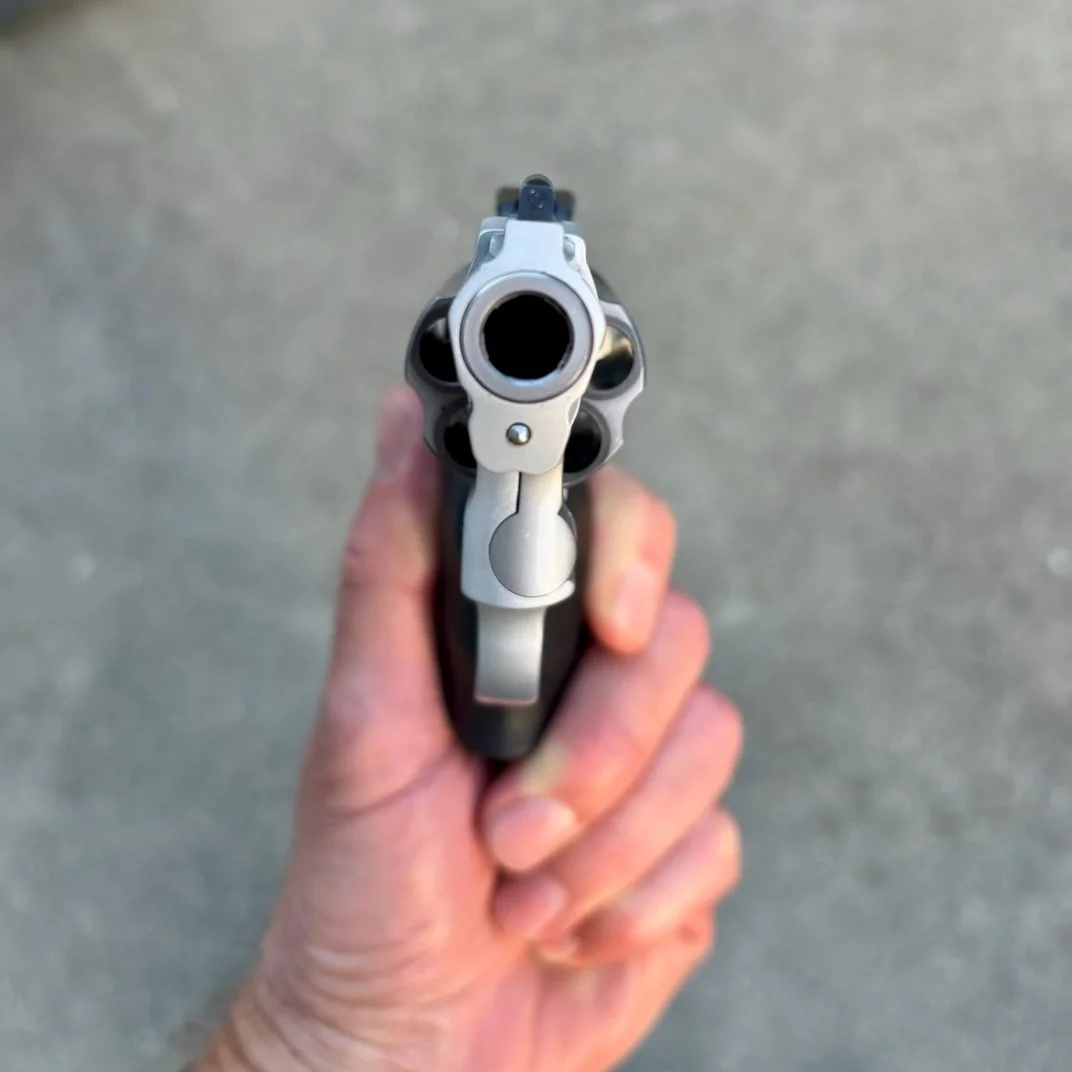
This is terrible! The last five (FIVE!!!) S&W revolvers that have been sent to RevolverGuy for review have had major issues!
Brett at Nightwood Guns
One Youtube channel that I really enjoy is Nightwood Guns. Brett is a young dude who loves revolvers and has some excellent reviews. Unfortunately he has had issues with Smith & Wesson Revolvers, as well. In his review of the 432 Ultimate Carry he had many light strikes. He also had the same issue with the front sight pin walking out
His review of the 640 Performance Center Black is similar to my review of the 432 UC Ti. First, his trigger would not reliably reset. sometimes it would, and sometimes it would remain pinned to the rear.
He sent the gun back to Smith & Wesson. After a month at S&W it came back…but with a similar problem. The trigger would pin to the rear but not be able to be pulled. He would have to manually put his finger behind it and push it forward. As Brett points out, this is a malfunction that can legitimately get you killed in a defensive situation.
Brett has also reviewed several other S&W revolvers. This 386 Nightguard worked but had true QC problems: the gun was dinged up, the tritium insert was dead, and the trigger was hot garbage. The steel blast-shield is also loose and rattling around. The gun also exhibited a serious manufacturing defect; the forcing cone was cut unevenly. Likewise with this 586 L-Comp. I highly recommend watching a few of Brett’s videos.
Closing Thoughts
So what does all this mean? This is a pretty small sample size of revolvers from Smith & Wesson. And these may seem like cherry-picked examples. A little searching online will reveal most of these complaints to be pretty common.
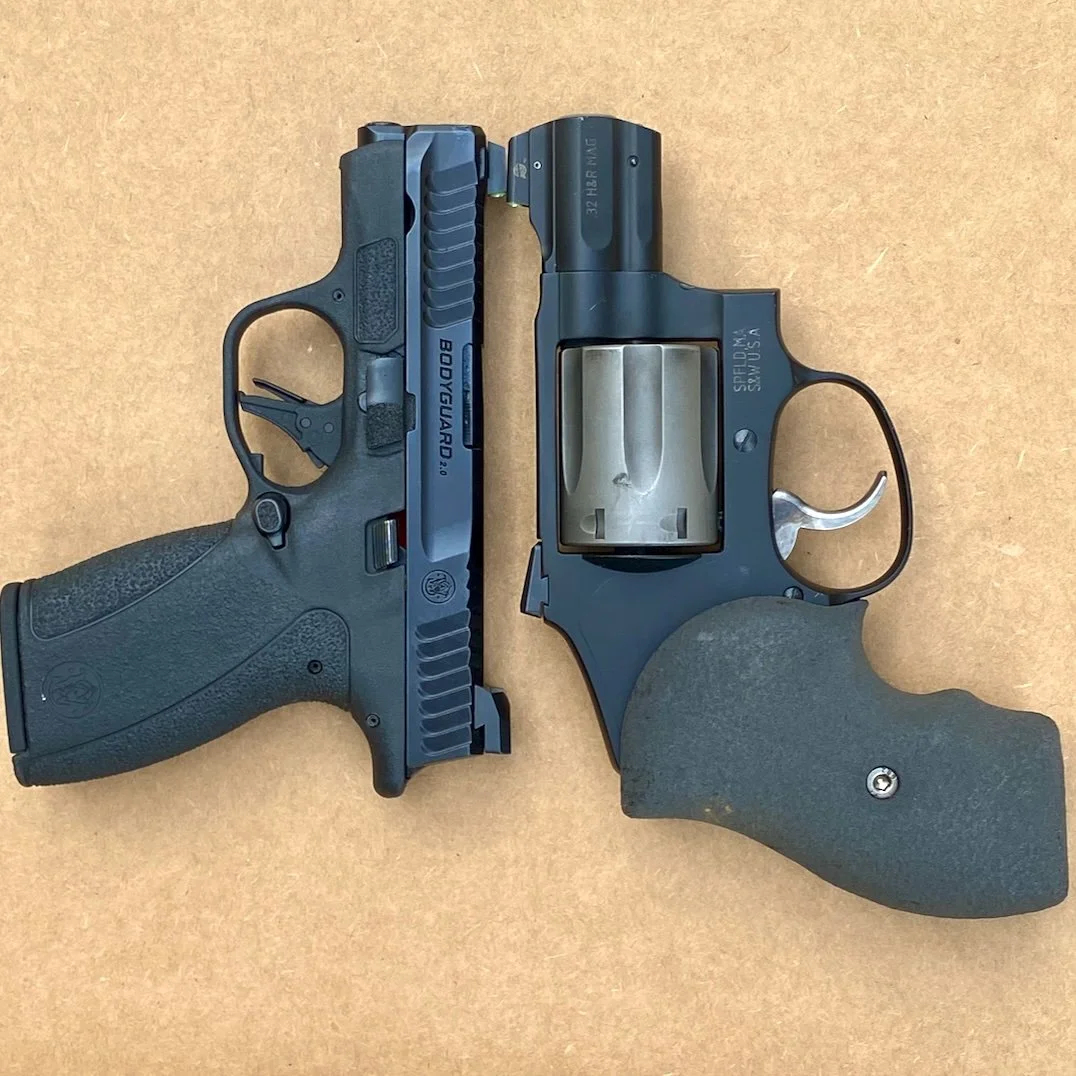
My Bodyguard 2.0 has busted 1,000 Magtech primers without complaint, the same primers I’m told are too hard for the “ultra reliable” 432 UC revolver…that costs almost twice as much.
While Smith does have a QC problem (in the past I also received a 610 revolver with a barrel that was overtightened and off-center), their revolver line has bigger issues. While Smith & Wesson makes some phenomenal autoloaders, it doesn’t seem like they consistently put together a reliable revolver.
Which is a shame. I am a big fan of Smith & Wesson wheelguns. My 90s-vintage 686-3 is my hands down favorite revolver of all time. I would love to see Big Blue return to the glory days of being the dominant revolver manufacturer out there. Right now their biggest problem isn’t QC, though. It’s quality…or a lack thereof.