Mountain Man Medical’s Chest Seal Trainer
After my recent appearance on the Concealed Carry Podcast, Jacob Paulsen and I were talking about medical training. He mentioned an interesting new product: the Mountain Man Medical Chest Seal Trainer. It is a non-stick, silicon mat that permits chest-seal use and reuse in a training environment. I had the opportunity to use it with two groups of students, and here’s what I found.
Disclaimer: Jacob sent me this product to test out, no strings attached. I received no direct compensation for this review from MMM, ConcealedCarry.com, or anyone else. This is my completely unbiased opinion.
However, this article contains affiliate links. Using these links gives us a small commission but costs you nothing. Please consider using our Amazon link to support this blog.
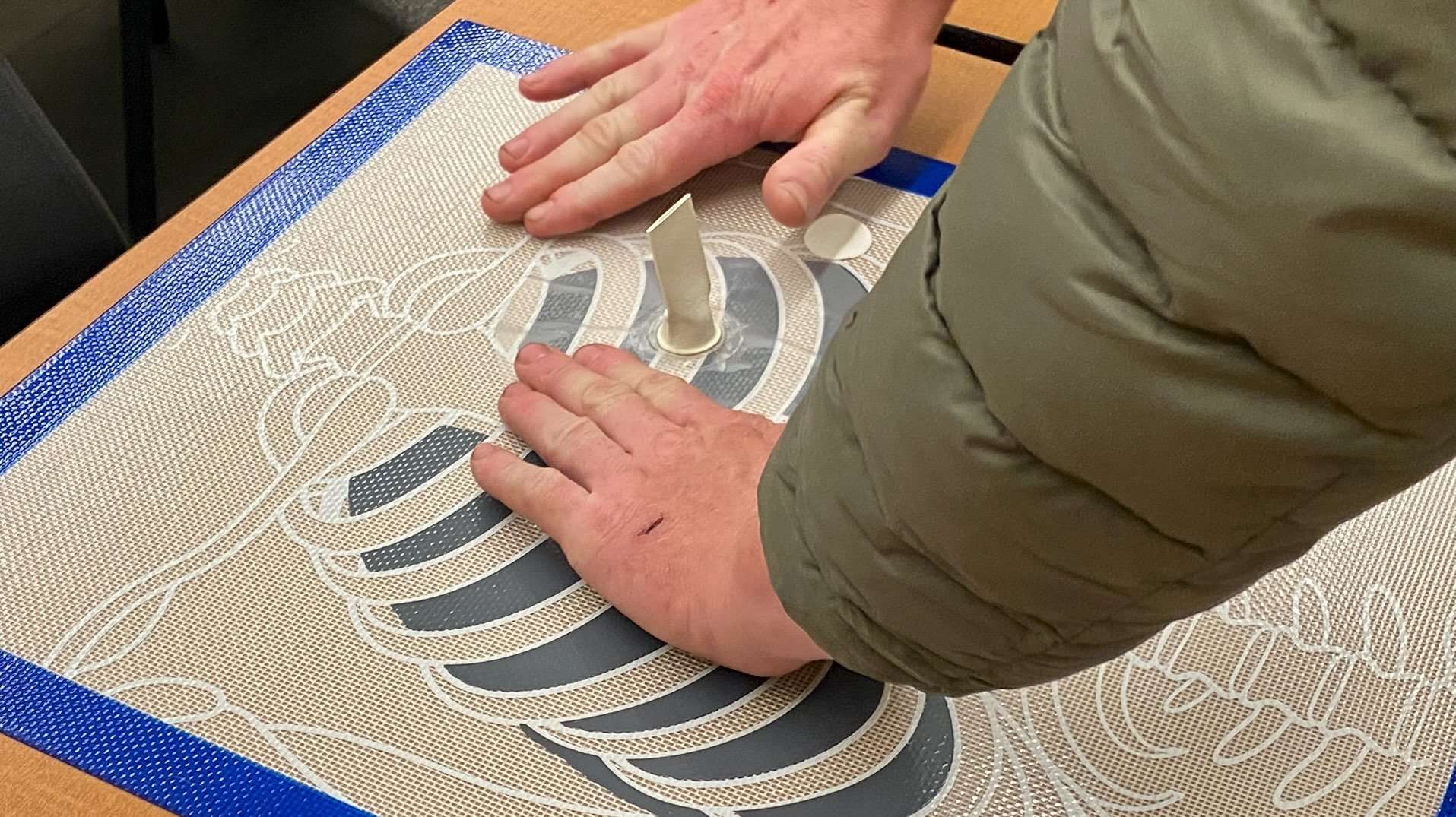
The Mountain Man Medical Chest Seal Trainer
The first thing you may be wondering is what the heck is this thing? This is a very simple tool that promotes training of a greatly overlooked skill. Because it is as simple as “put a sticker on it,” applying chest seals is rarely practiced. That’s where the Chest Seal Trainer comes in. It is essentially one of those magic silicon baking pads that somehow doesn’t melt in the oven, but keeps bread, cookies, and other baked goods from sticking to the pan. It’s flexible, non-stick, and has an anatomically-correct representation of the ribcage, heart, and lungs. At 16” wide and 20” it is pretty similar in size to the anatomy of an adult.
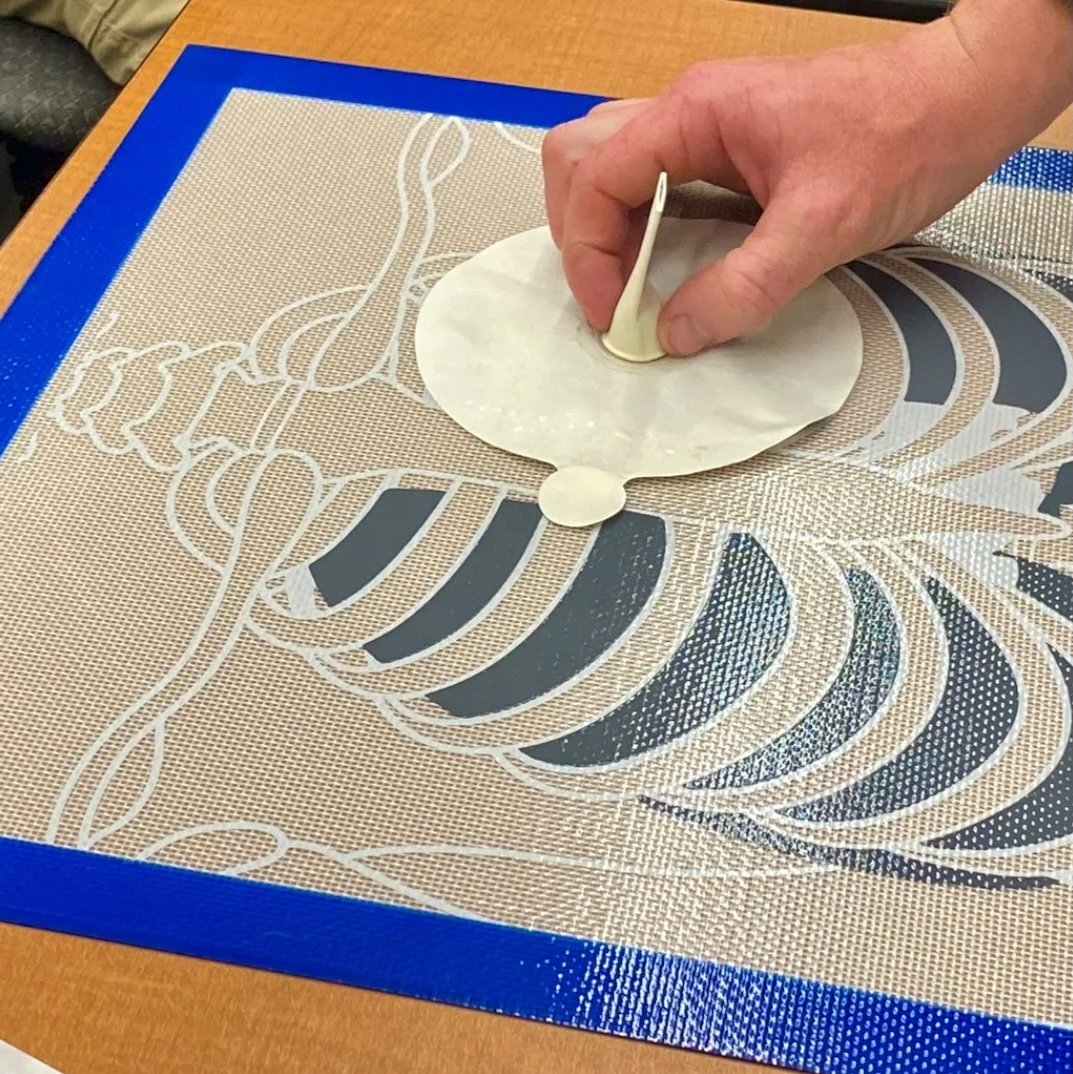
The non-stick nature of the silicon allows chest seals to be applied, removed, and reused. The “reusable” part is the most important here. Chest seals aren’t that expensive, but the cost adds up quickly in the training environment, going through many of them in a session. The Chest Seal Trainer allows them to be removed, repackaged, and reused for multiple iterations or scenarios. This also prevents you from ruining manikins, something any EMS coordinator will appreciate.
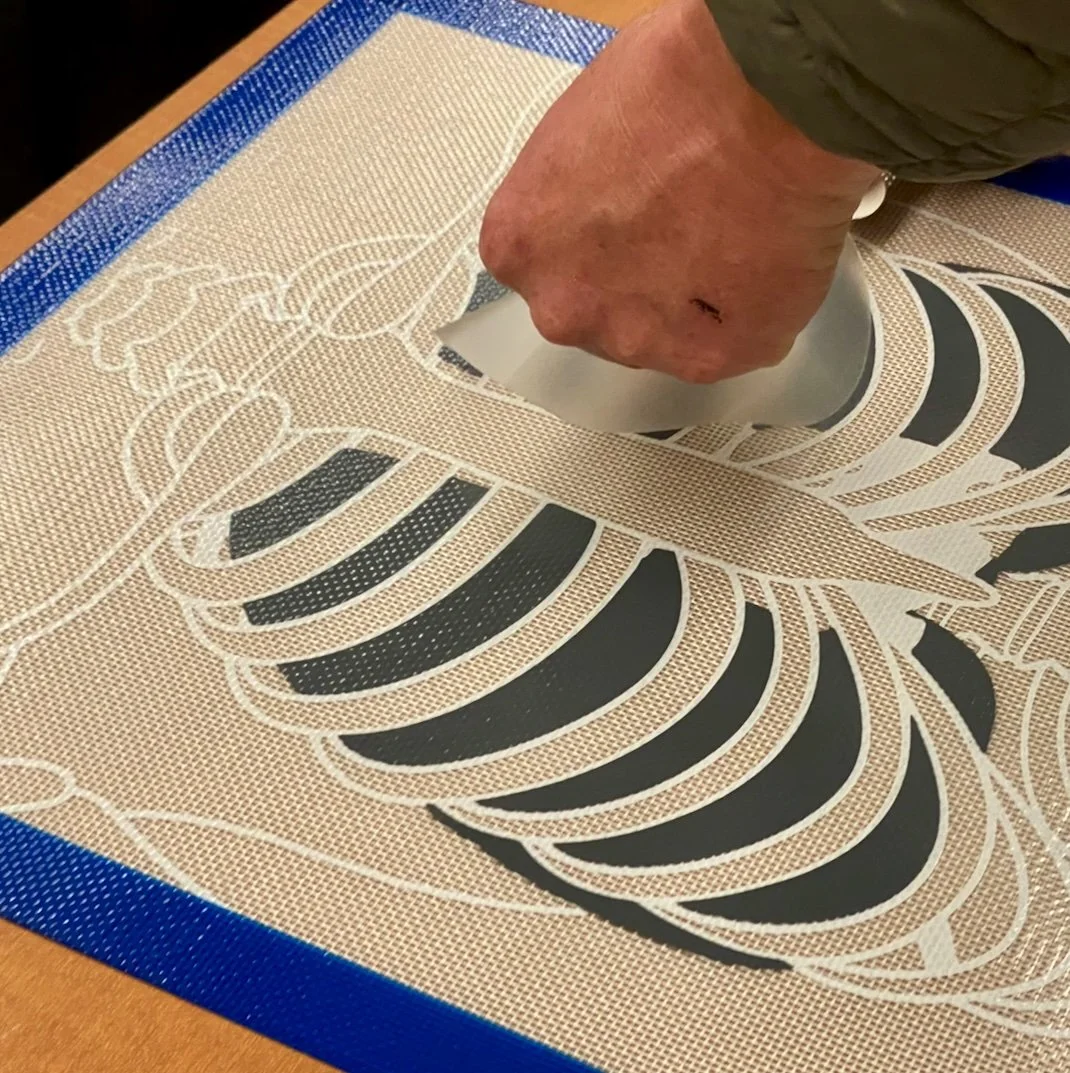
We all know that medical gear is expensive, and medical training is underutilized. Being able to practice chest seal placement without exorbitant cost removes a major barrier to training. Several students can cycle through training with a single chest seal, yet still get the experience of applying one. Applying a chest seal seems like a simple procedure and in fact, it is. Without training, though, the simple becomes complex. Having run through it a few times times medical personal, cops, prepared Citizens, military personnel, and anyone else a huge leg up.
My Experience with the Chest Seal Trainer
I have had the opportunity to work with the Mountain Man Medical Chest Seal Trainer over the past couple of months. My first experience was with an academy class. Though I only recently became sworn as a law enforcement officer, I have been teaching the medical portion of the academy for a little while (side note: it was a small point of pride for me and no small discussion among the regular cadre that I taught a trailing academy class…while I was a student in the academy!). I am a paramedic, an EMS/NAEMT/AHA instructor, SAR and SWAT medic with about five years’ experience each. While I conspicuously lack the experience to teach most LE topics, I have the requisite experience to teach basic first aid.
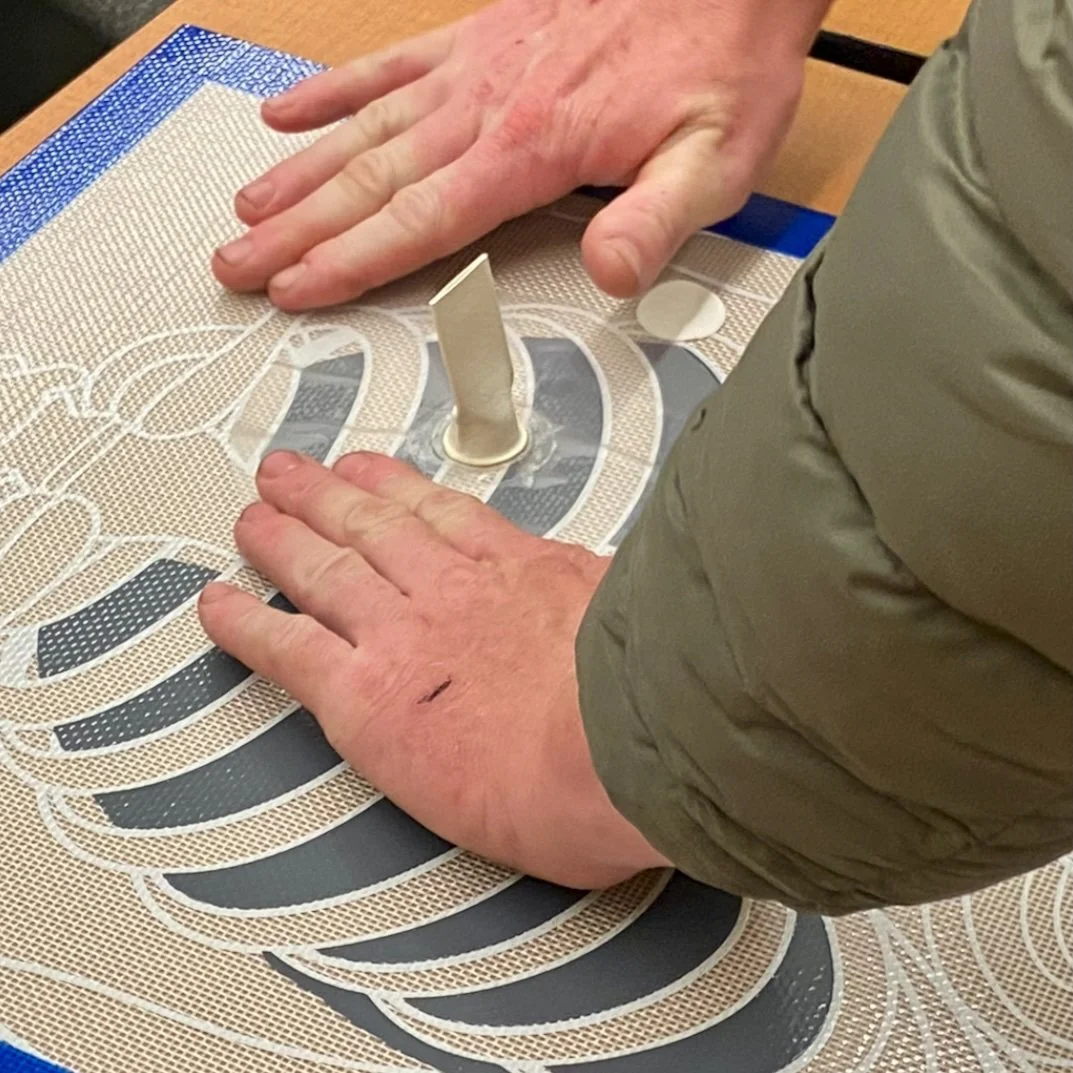
The academy class loved this tool. It gave them clear visualization of the anatomy inside the chest. It also provided a good visual as I began to explain the signs and symptoms of a tension pneumothorax and the pathology involved in one. I also used the Chest Seal Trainer for the stated purpose, and had them apply chest seals to them. The chest seals I had available weren’t the absolute best (they were expired Asherman seals) but they were what I had available, and demonstrated the point well.
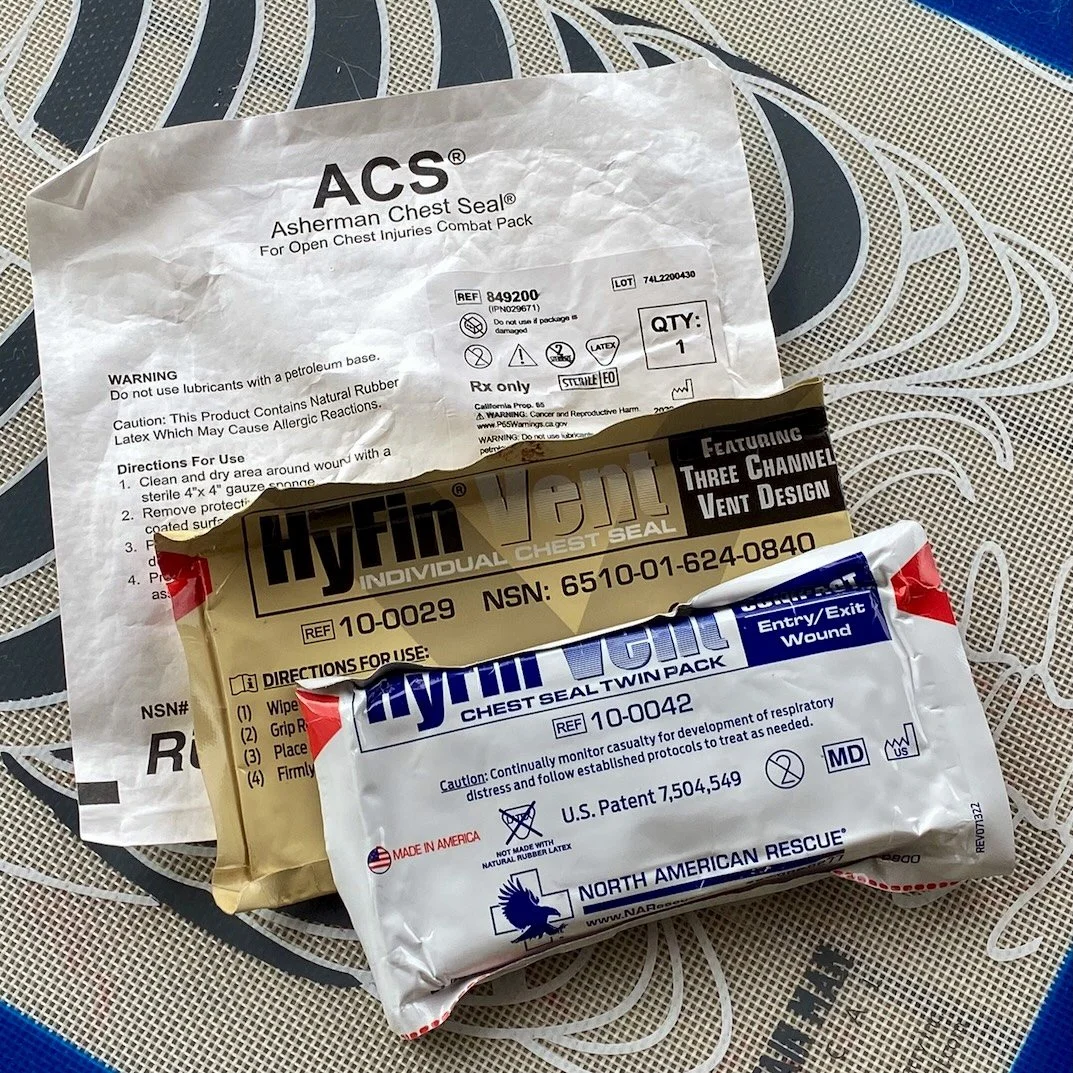
My second time using the chest seal trainer was teaching my own SWAT team. Since “self aid” and “buddy aid” are crucial components of tactical medicine, earlier this week I spent eight hours teaching TECC-LE to my fellow SWAT team members. In this class of experienced law enforcement officers, the chest seal trainer was invaluable.
Observations about the MMM CST
After having used this as an instructional tool twice, I have some observations. First, it is just a great tool for pointing out relevant anatomy in the chest. For this reason alone I spent a lot of time pointing out structures on to students as I explained the pathophysiology of various injuries. It is very helpful just from that aspect.
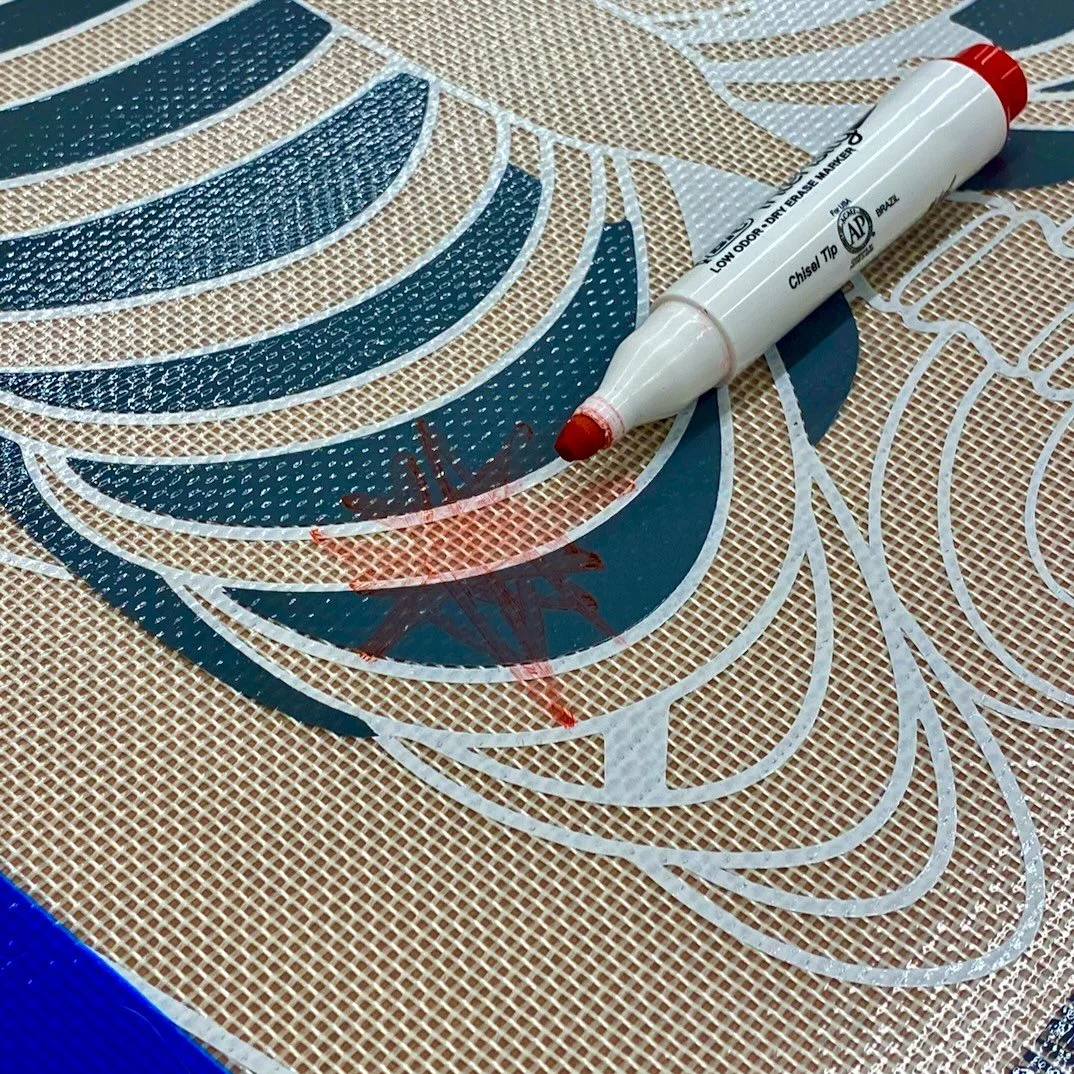
Next, you can write on this with a dry erase marker. This gave me the opportunity to quickly demonstrate certain concepts (like tracheal deviation). It was also a great way to mark a wound - where it was and how big it was - for a scenario. If wiped off immediately, the dry erase marker came right off. If packed up and left on there, I found that dry erase marker came off with a good soap-n-water scrubbing in the sink at home.
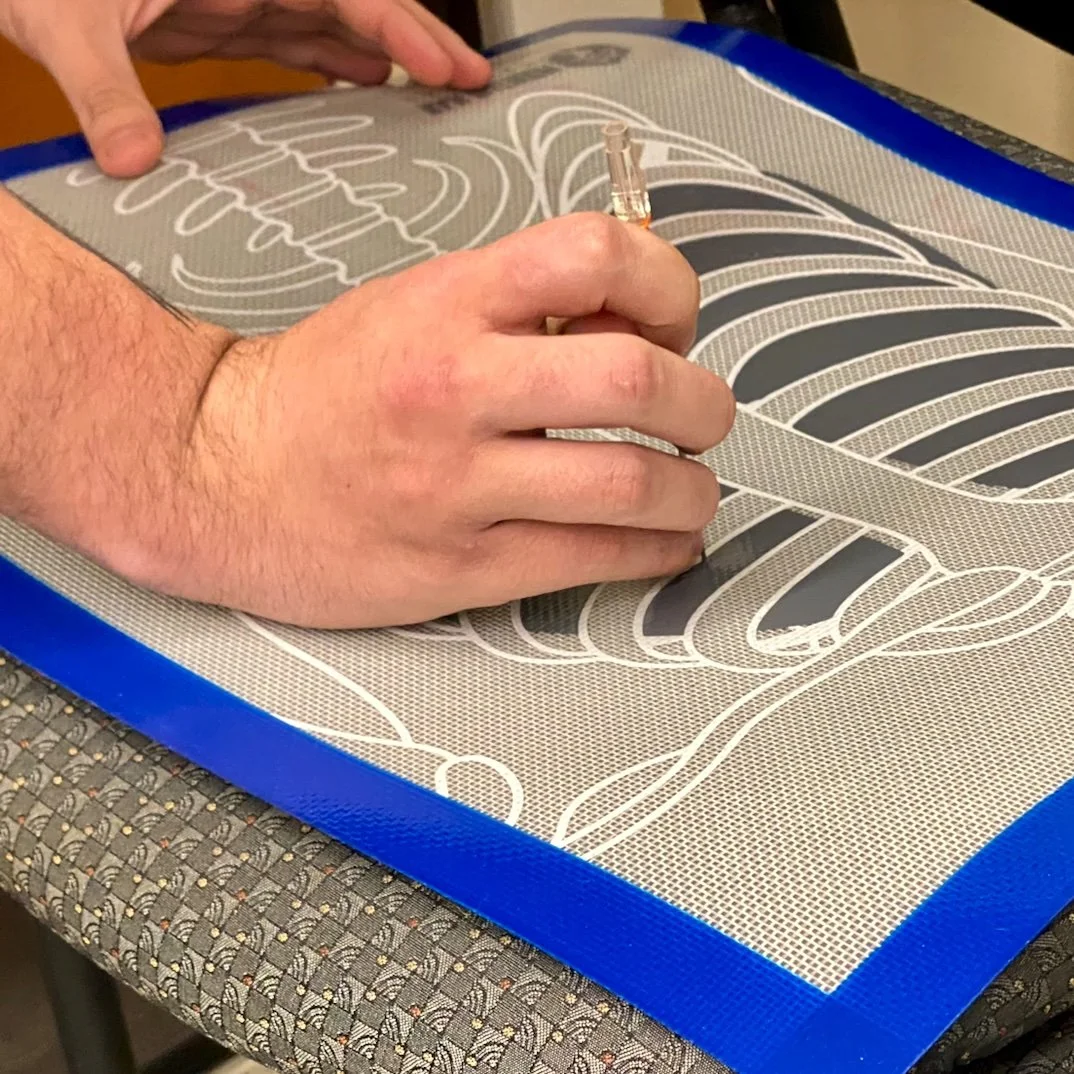
Second, this was an outstanding tool for teaching how to perform needle thoracostamy (decompression) in the case of tension pneumothorax. Though of debatable importance to academy students, I want my fellow SWAT team members to know how to perform this intervention. The ribs are present, allow the demonstration of intracostal spaces, going over top of the third (or fifth) rib, the importance of the margin of safety, and more.
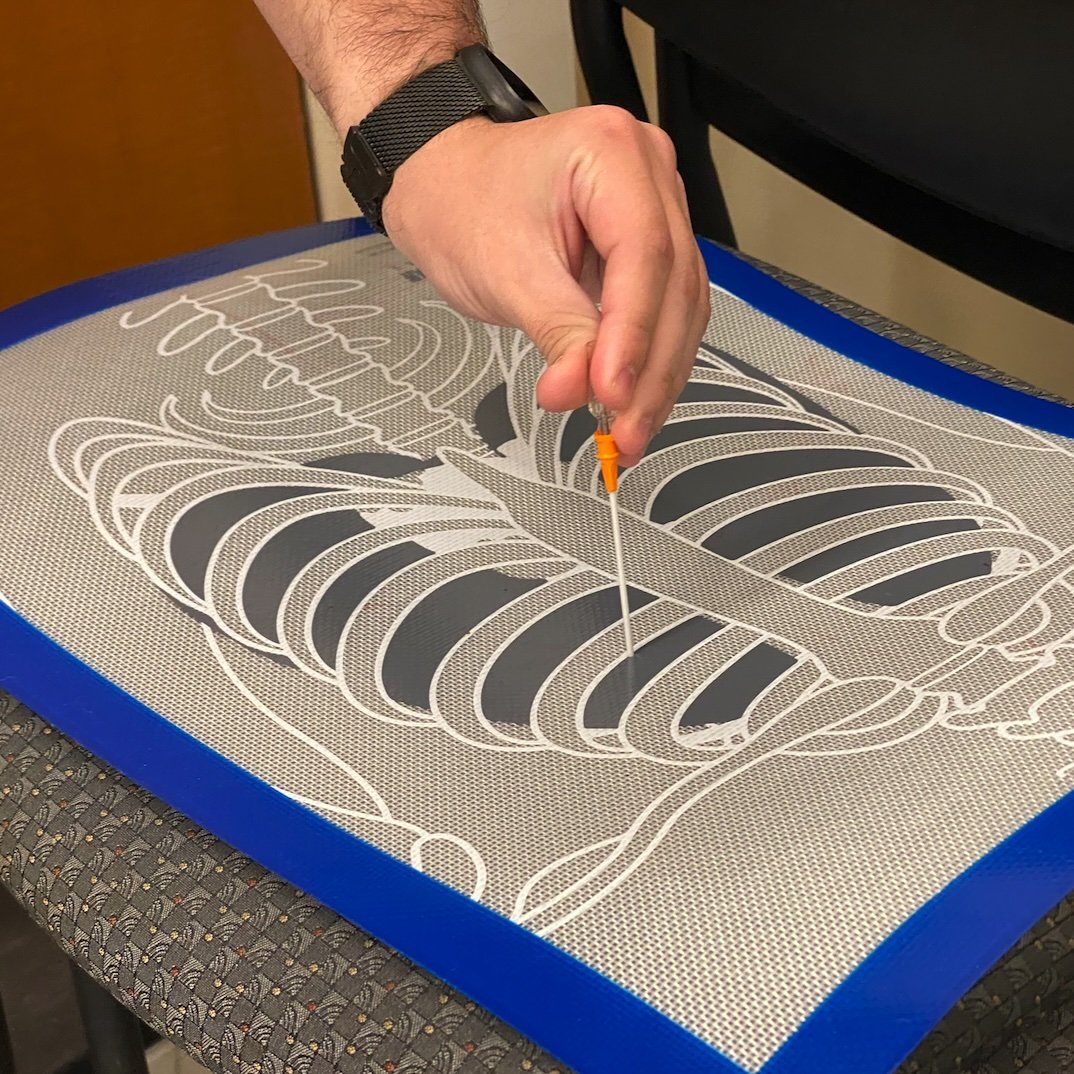
I found that setting the chest seal trainer on a chair with some padding allowed the needle to penetrate into a simulated chest wall. Your mileage may vary, but overall this experience felt very realistic. The CST does damage the soft plastic catheter of the decompression needle. After four or five simulations, the catheter was pretty boogered up, but would still pass through the CST.
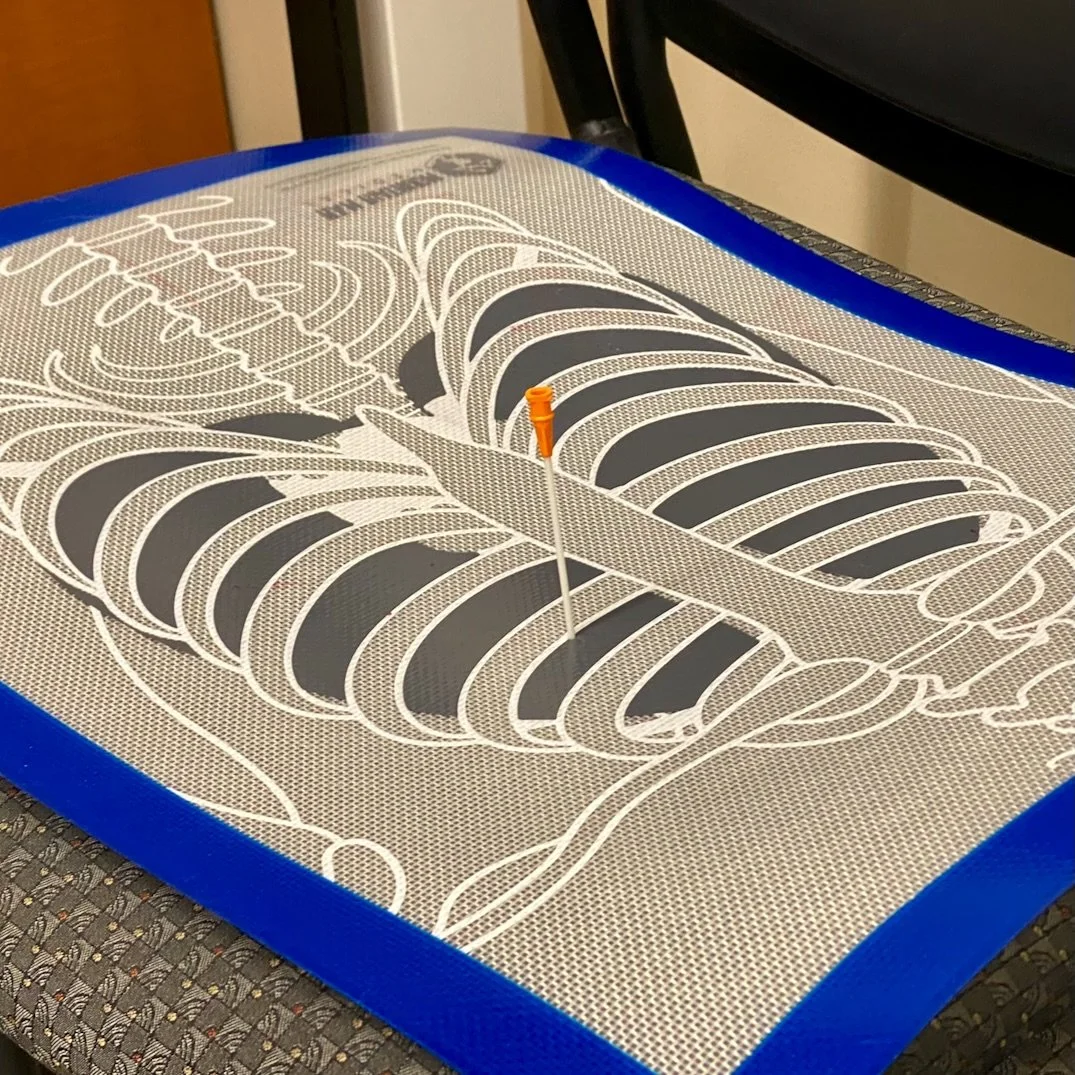
I would not describe the MMM CST as self-healing. Poking holes with 14G needles definitely did some damage. The material is quite resilient, though. It would take quite a few classes to wear the device out, however. Varying the site (anterior or mid-axillary, left or right) should get maximum use out of this training aid.
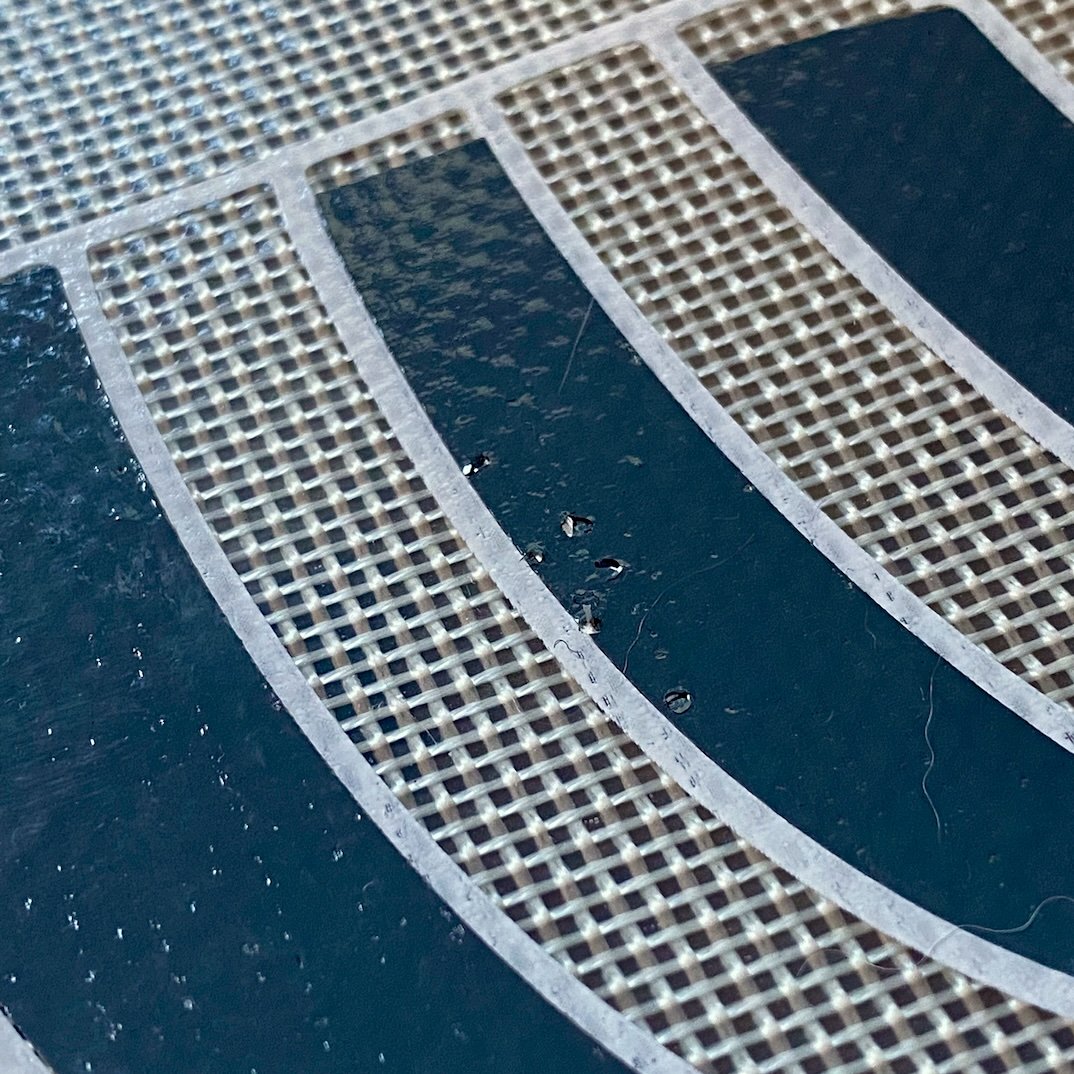
The Mountain Man Medical Chest Seal Trainer does an phenomenal job at providing a non-stick, anatomical reference for the placement of these airway/respiration adjuncts and interventions. As I discuss in my book, Competent & Dangerous: Master the Skills to be a Man Among Men, I am big on improvised medical gear. Why? Be real: how many of you carry a full trauma kit, 100% of the time? Another cool feature of the Chest Seal Trainer is that it allows you to practice setting up improvised occlusive dressings.
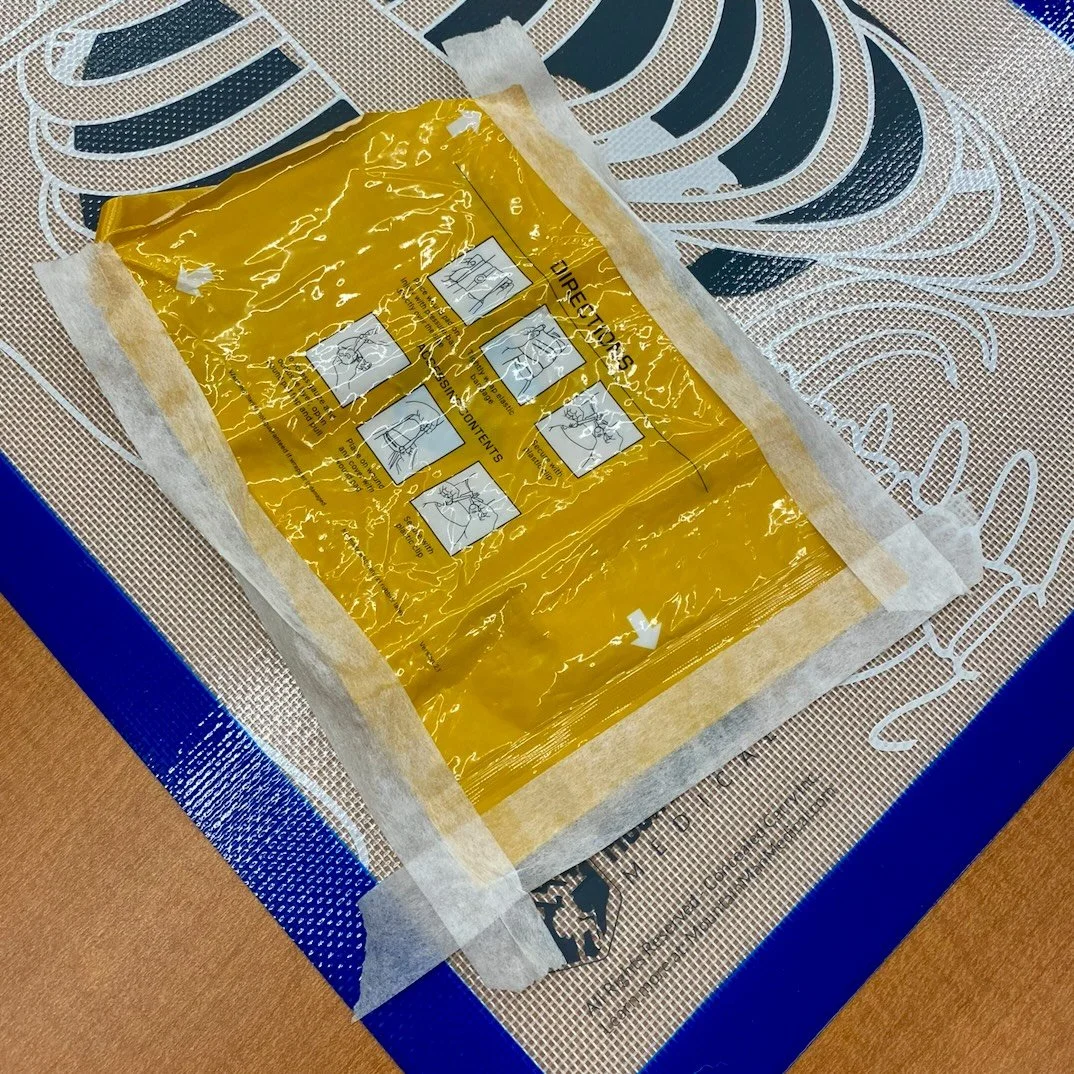
The only problem I found with improvised occlusive dressings is difficulty in getting tape to stick. But, that’s the point of this thing, right, so it’s hard to complain about that. I did use that as an opportunity to impress upon the students the difficulty in taping a dressing down to sweaty, bloody skin.
Who the Mountain Man Medical Chest Seal Trainer Is For
At this point you might be wondering who this is for. This isn’t something I would recommend to the average consumer. If you conduct any kind of first aid, training, however, this is a very helpful tool. One of its biggest benefits is the simplest: it demonstrates the anatomy relevant to emergency medicine/first responders. Second, it performs its stated purpose of allowing you to place chest seals on a surface that they will come off of, and it lets you get several uses out of one seal. Third, it serves as a workspace for practicing improvised chest seals.
Those reasons make this an outstanding tool for anyone teaching emergency medicine. EMS instructors, law enforcement first aid trainers, concealed carry permit classes…the list goes on and on. With the focus of emergency medicine so heavily tilted toward stopping massive hemorrhage (and specifically with a tourniquet), everything else seems to be left behind. This outstanding visual and physical aid gives a little more realism to conversations about survivable chest injuries.
If I were to recommend one improvement to the Mountain Man Medical Chest Seal Trainer, it would be printing on both sides. Currently it has single-sided printing. This would be even more useful if the backside were printed with the skin. This would be useful for pointing out other landmarks like the clavicles, the suprasternal notch, the nipple line, etc. Even without that, I feel like this is a very worthwhile tool. Adding this to your teaching kit will expand your capability and make your classes better.