Winter Storm Preparation
As I sit here in the immediate aftermath of a winter storm, preparing for winter weather emergencies is on my mind. This is the second one in my area this year. For both I have been on standby with my law enforcement job, and for the last one I was able to come in and work some EMS shifts, as well. This time though, I’ve managed to stay at home, relax, and enjoy myself. Had I not been prepared this would likely have been a stressful, uncomfortable experience. Let’s talk about winter storm preparedness so you’ll be ready for the next one.
This article contains affiliate links. Using these links gives us a small commission but costs you nothing. Please consider using our Amazon link to support this blog.
This is certainly a “basics” article, and I’ve probably written something very similar before…probably the last time I had a really good snow, back in 2022. People continue to fail to understand this, as demonstrated by the last two winter storms in my area and it’s on my mind, so I’m going to write about it again. If you’re among my regular cadre of readers, please share this with a friend or family member who could use it!
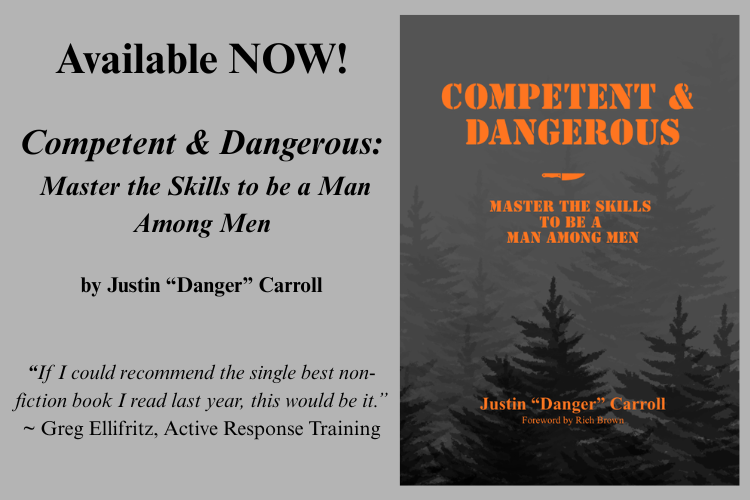
Also please note that this information (and much more!) is covered in great detail in my book, Competent & Dangerous: Master the Skills to be a Man Among Men.
Winter Storm Hazards
Even though preparing for a winter storim is just like any other short-term emergency, winter storms pose special hazards.
Electricity and Heat: The main problems with winter storms are the combination of low temperatures and power outages. As trees become loaded with snow or ice, they fall. When they fall they take down power lines, causing power outages. Since most peoples’ heat depends on electricity in some form or fashion, this means people have no way to heat their homes. The result is damaged pipes, ruined food, and more importantly, hypothermia.
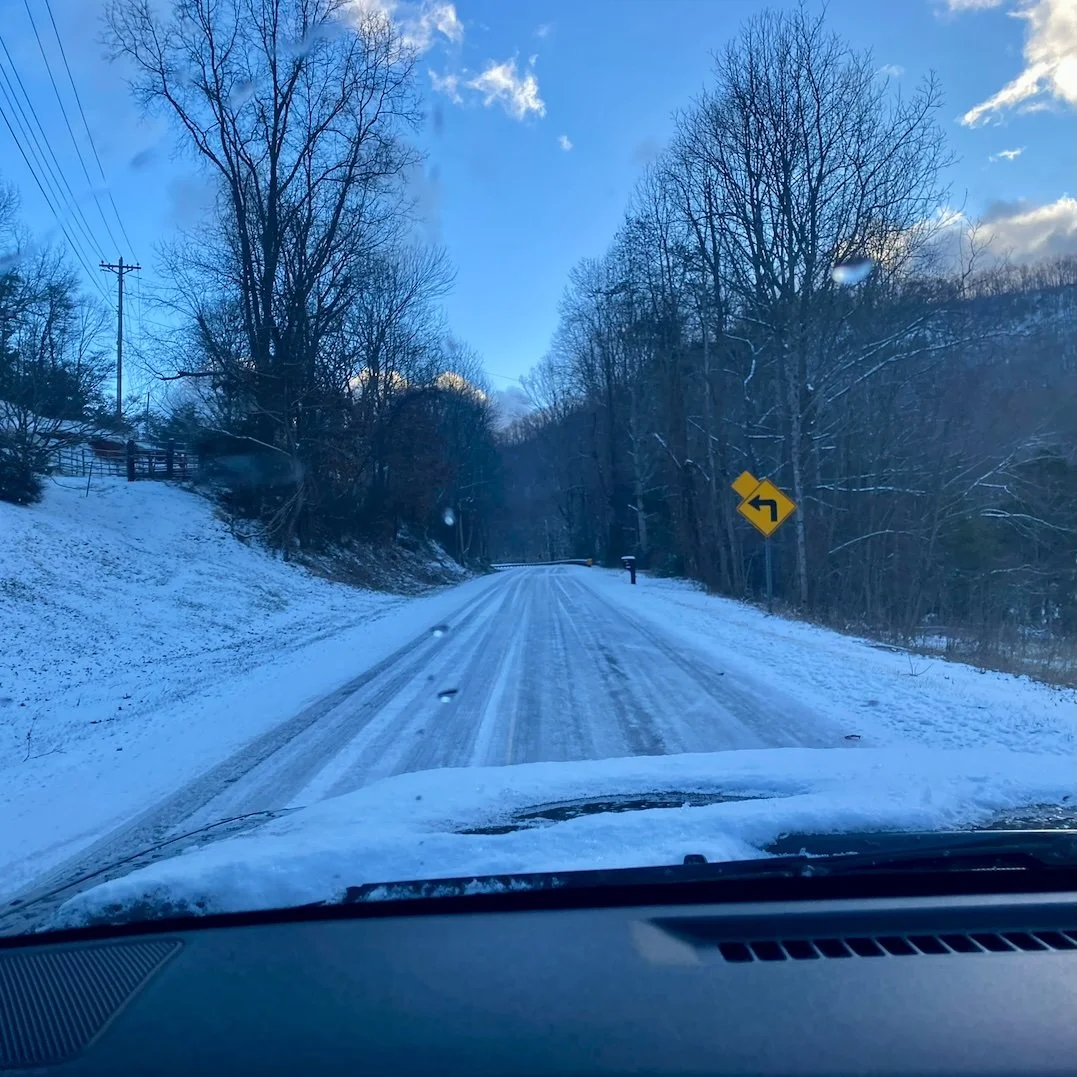
Travel Hazards: Winter weather also means snow and ice on the roads. This means that you won’t be able to get out to get supplies, and if you do, you’ll be at greater risk of an accident. Even if you are the best snow/ice driver in the world, equipped with the best 4x4 vehicle, winter tires, chains, etc, you’re still at the mercy of the lowest common denominator. You are sharing the road with the intoxicated, the young, the stupid. Plan accordingly.
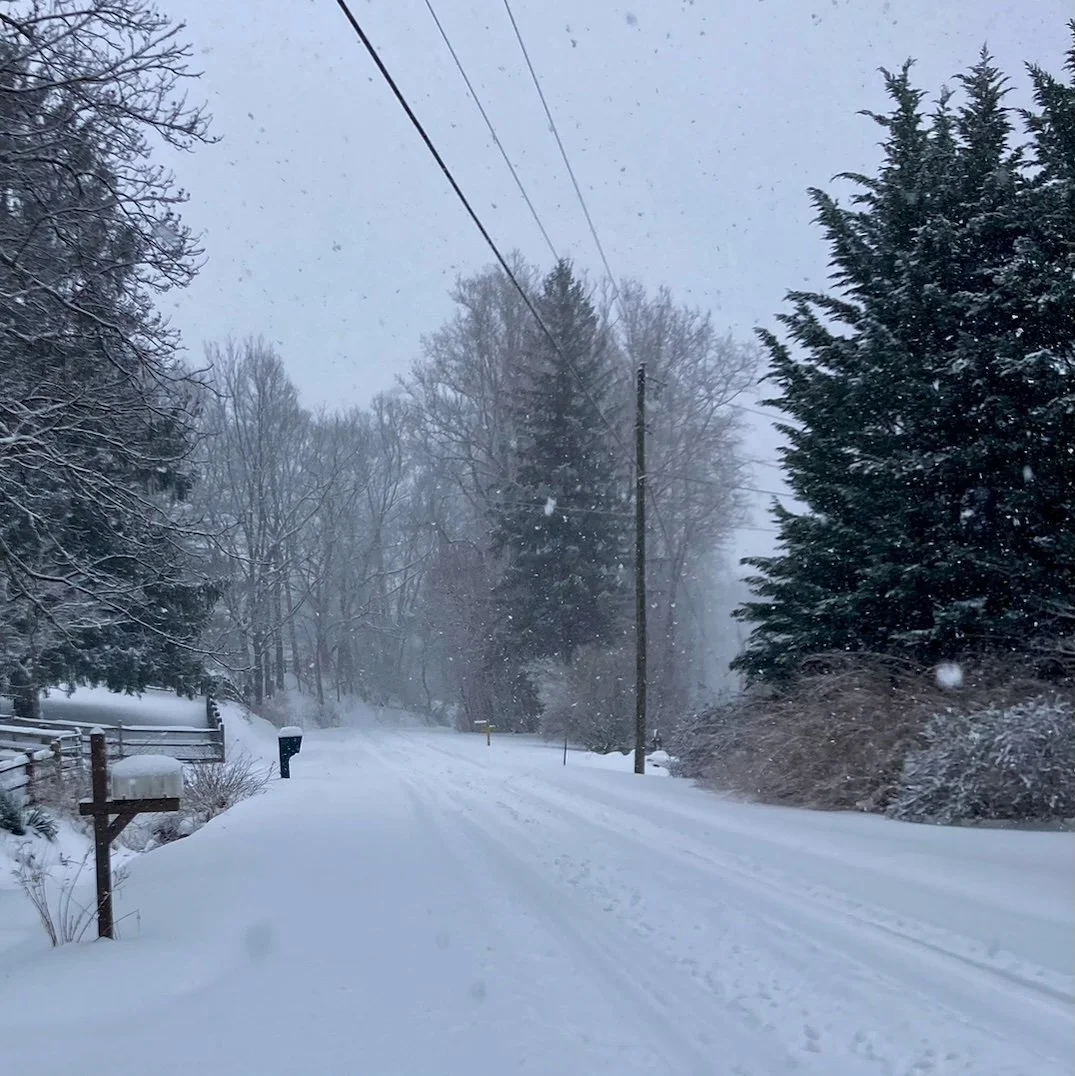
Also be advised that due to travel conditions, first responders will be similarly delayed. Cops, firefighters, and EMS will take longer to get to your house. If your call sounds like a “low acuity call,” it might be call-stacked. In the last storm, one week ago, my EMS agency was unable to respond to a call until the next day. It was simply impossible to make it to the home. Again, plan accordingly.
Winter Storm Preparation
Preparing for a winter storm is pretty simple, nor is it really all that different from preparing for any other type of emergency.You essentially need to be able to survive and stay reasonably comfortable without resupply (aka: going shopping). How long do you need to be good? While I would love for you to be prepared for a couple of weeks, being able to stay home for three to five days should get you through the worst of it.
Here are some things you should think about when preparing for a winter storm.
First, Don’t Wait!
Sure, we are deep into winter now, so you may be thinking you’re out of the woods. But don’t wait! Start preparing NOW! The best thing about being prepared is that you will be ready for any other emergency that occurs - hurricanes, wildfires, floods, whatever - that keeps you from living as you normally do. There is a huge tendency to wait around until the last minute. Before this most recent store I stopped into the grocery store for some luxury items.
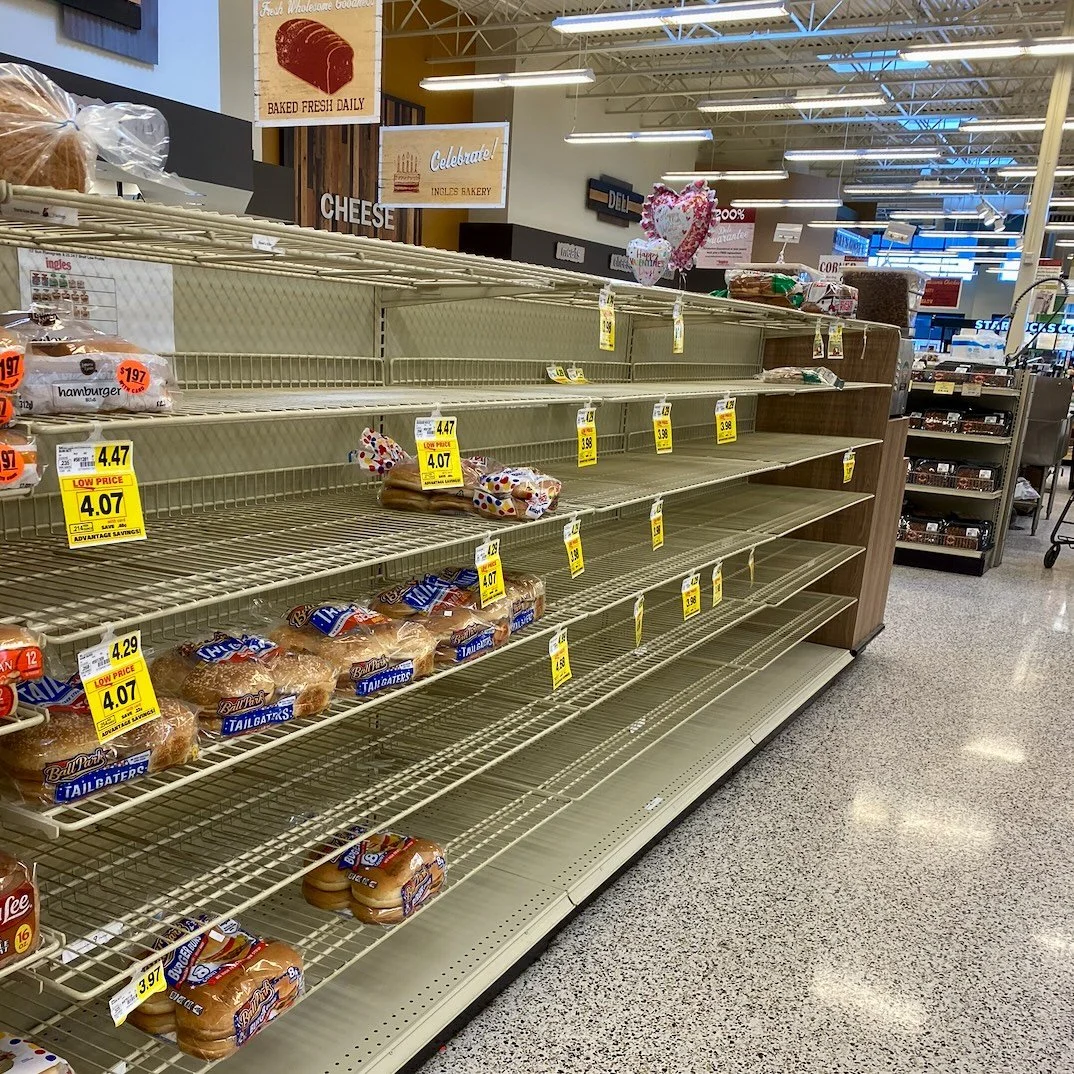
Snow was supposed to begin falling in a few hours and the place was pandemonium. People were fighting over parking spaces in the parking lot. Shelves of certain items - sodas, chips, cookies, tuna, milk, eggs, and bread - were wiped out. Checkout lines stretched deep into the aisles. I decided I could live without whatever I came in to get and left. I shook my head thinking, “did you all learn absolutely nothing from last week?”
Don’t wait until you need this stuff to prepare! If you have it, it comes with a great sense of security and peace of mind that is hard to put a price on. You know that no matter what - whether you can make it to the store or the things you want are sold out or not - you and yours are taken care of. That’s a good feeling. You also avoid parking lot nonsense, long lines, empty shelves, and the rush of trying to do things last minute. Finally, this is a form of service to your community; the more people who are out in the weather, the greater the chances of an accident, tying up emergency resources and endangering first responders.
Don’t wait on winter storm preparedness - prepare now, not later.
Water
Food is undoubtedly the first thing you thought of when you thought about getting to hunker down. That’s OK - it’s only natural. You thought of food first because water is so cheap and abundant as to be essentially free. Ninety-nine percent of Americans never have to worry about water; they turn the knob and water comes out. When the power goes out you will lose water if you’re on a well. If you get municipal water you might not lose it, but it may not be potable. Remember, treatment facilities need electricity to operate, too.
You should plan for two gallons, per person, per day.If you are a single dude preparing for five days, that means having ten gallons stored. If you are a family of four preparing for three days you need 24 gallons. It sounds like a lot but really isn’t that much in terms of expense or storage.
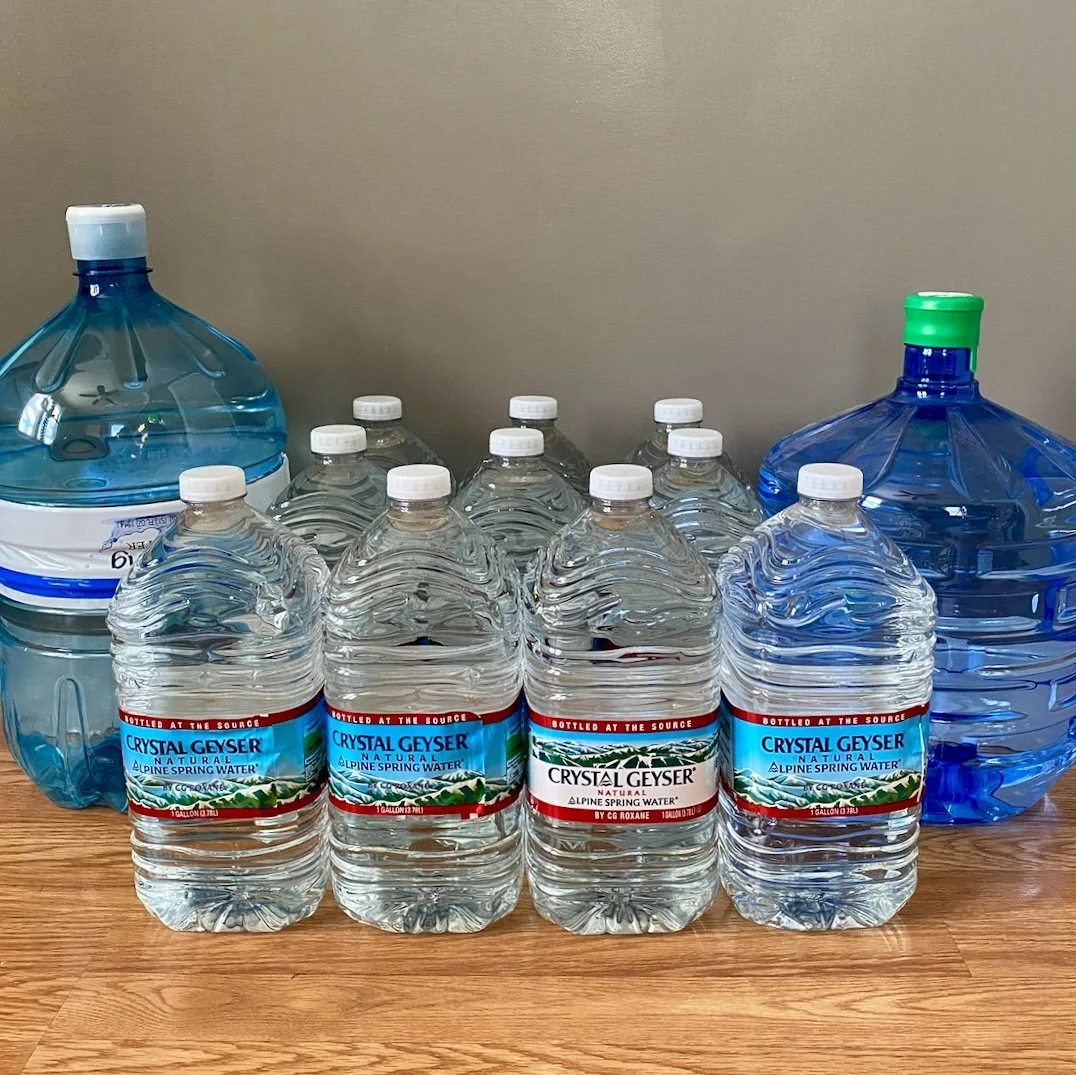
Eighteen gallons of water: at two gallons a day for one person that will last nine days. For a family of three it will last three days. For a family of four, it will last just over two days. This takes very little space and bought a couple gallons at a time, adds almost nothing to the grocery bill.
Most preparedness advice recommends one gallon/person/day. When preparing for a short-term emergency like a snowstorm you can stretch just a bit. You will want to drink water, use water to cook things like pasta or make coffee. You will also need water to wash your pots and pans. Don’t forget about stocking water for your pets! Also, don’t forget having some water that you can use to flush toilets if you’re on a septic system (another gallon per flush). If you’re a single dude, you’ll have to flush toilets a lot less than a family of five, so come up with a plan for that.
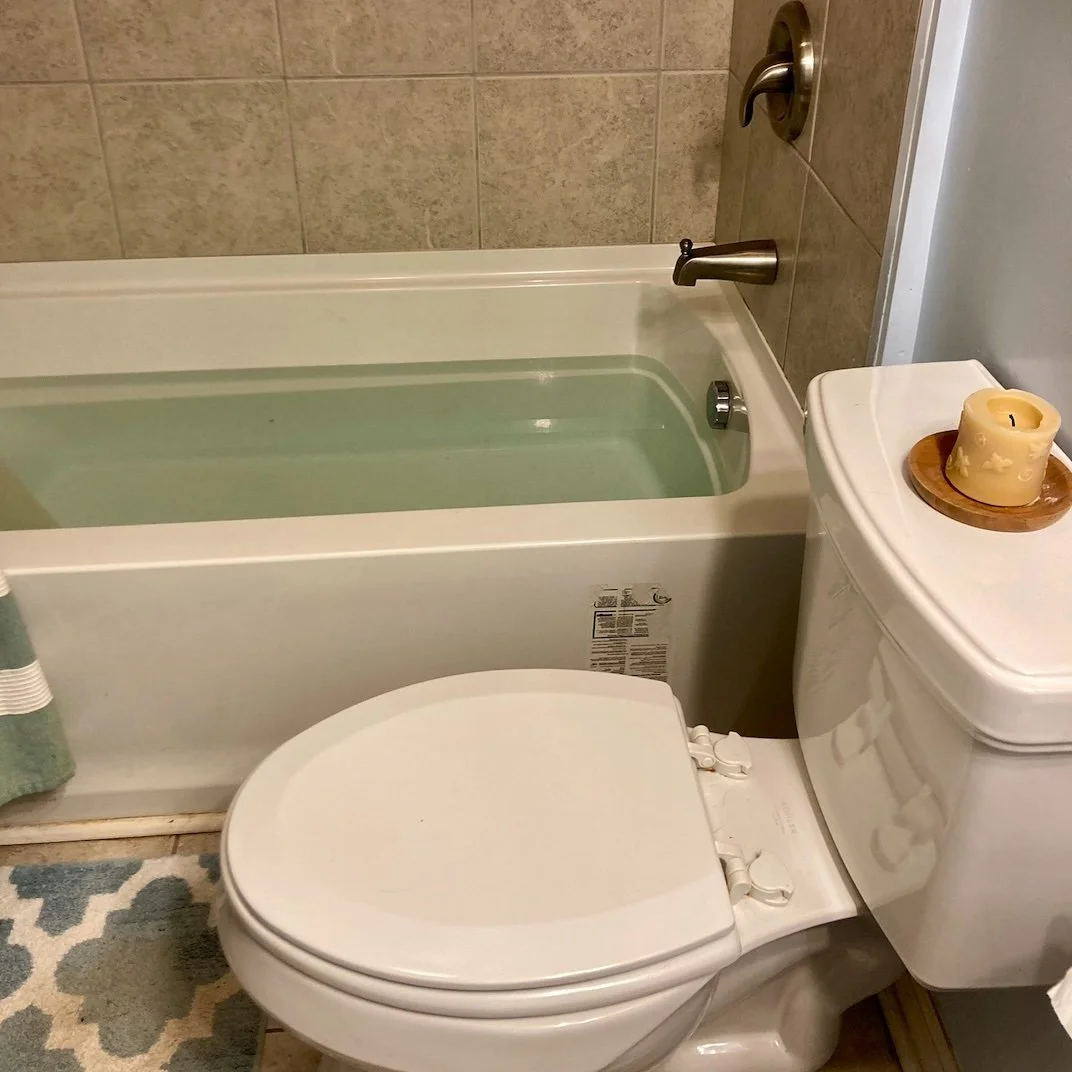
Another option for storing water (especially water for flushing toilets) is to fill your bathtub. This might require buying an upgraded stopper. You can also purchase the famous Water Bob, a 100-gallon bladder designed to fit in a tub. The only problem with the Water Bob is knowing when to fill it. If you fill it and nothing happens, you now have to dump that water, but if you wait too long…
Food
You need to be prepared to feed yourself if you can’t get to the grocery store for a few days. Everyone knows the shelves will be bare of eggs, milk, and bread long before the first snowflake falls. I would recommend a strategy of not running your household on a “just in time” inventory, and keeping extras of these items (or whatever you regularly eat) at all times. I realize that may be hard to do - financially, or just finding the space - with a big family, but it is possible. Just add a little bit of what you eat every week and it will build up over time. This strategy is known as copy canning.
Failing that, you should have some dedicated foods that will be there when you can’t get out and get fresh foods. There are some principles you should bear in mind as you obtain these items. They should
require minimal preparation
require minimal/no refrigeration (refrigeration also goes when the power goes)
Produce minimal trash and dirty dishes
be consumable in a single meal, preventing food from sitting around and reducing the need for refrigeration
Ideally these items shouldn’t be completely unfamiliar or unpalatable to you and your family. This is especially true if your kids are picky eaters. Instead of some foreign “prep,” you should try to feed them (and yourself) something they look forward to eating. They should should be one-pot meals that essentially just require mixing or heating. Some good examples include:
Tuna and/or peanut butter, with crackers (this is why I keep tons of saltine crackers,
Canned soups, again with crackers, beans, and meats,
Pasta,
Oatmeal, instant or not
Or macaroni and cheese, which can help you make use of milk and butter if the power goes out. I never eat this day-to-day but keep a few boxes as a treat should I need to resort to eating my prepared foods.
Don’t forget comfort items like coffee, tea, and some sweets if that’s your thing.
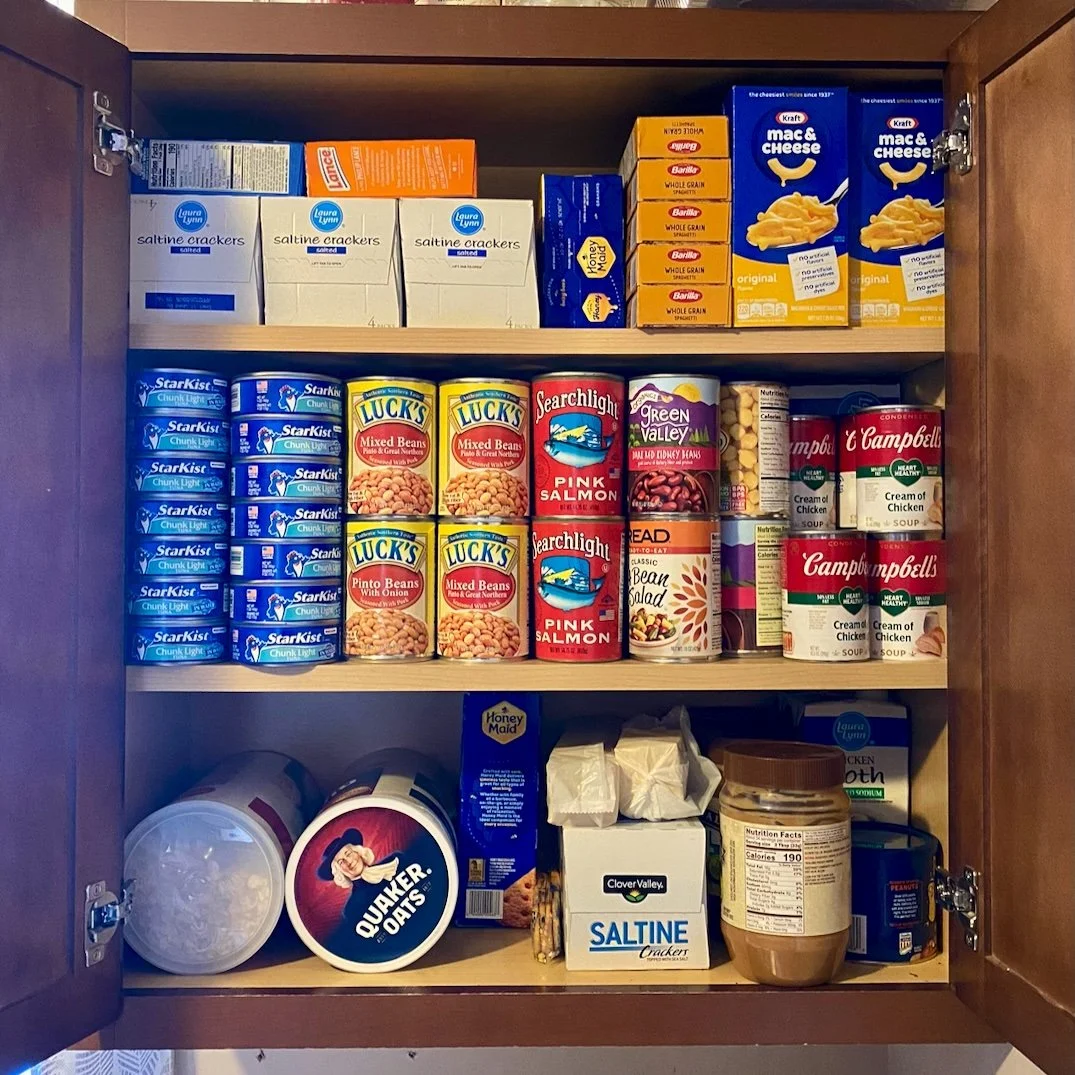
The tuna, beans, salmon, oatmeal, and peanut butter are things I normally eat, so they are rotated out accordingly. the mac ‘n cheese is a rare treat. I know it’s terrible for you and doesn’t really taste that good, but it’s a throwback to childhood I suppose.
You can come up with creative recipes for this stuff. For instance, during this snow storm I never lost power. I decided to use my prepared foods, however, to keep dishes to a minimum. I didn’t have a recipe, but came up with the following:
Cook one cup rice per cooking directions (I used brown rice),
Once cooked add in one can cream of chicken soup and one can of canned chicken,
Stir until all ingredients are integrated then simmer for 10 more minutes.
Season to taste (I used salt, pepper, dried parsley, and cayenne pepper) and serve.

An addition/supplement to stocking up on food at the grocery store is buying freeze-dried meals like those from Mountain House. These are essentially “meals in a bag” that simply require the addition to boiling water to rehydrate. They are quite tasty (at least some are) and come in two-serving pouches. A variety of entrees are available from the intuitive (chili mac) to the surprising (biscuits and gravy).
I have quite a few of these. Most were purchased for hiking, camping, or SAR training trips. There is nothing wrong with these, but they are very expensive. They are also very different from what your family is used to eating. Still, they are a good item to have should the emergency last longer than you expect, or you have to leave your home. Hold these in reserve as your “just in case” meals. Instead of buying individually, you can grab a couple of the three-day meal kits.
Cooking/Heating Food
In addition to food and water, you will need something to cook with (or at least heat stuff up) should the power go out. You can skip this and eat cold stuff (Pop Tarts, peanut butter sandwiches, nuts, granola bars, dry oatmeal, etc.) but that will get old very quickly. There are several ways you can go here.
The cheapest but smallest capability are the ultralight micro stoves with ever-changing names from Chinese companies (here are three different listings). These work really well to boil water, are cheap, and run off inexpensive isobutate fuel. While great for boiling water, I sure wouldn’t want to have to cook on one. I keep a couple of these in “Go” bags and boxes as backups to my Jetboil.
A big step up from these is the Jetboil. The Jetboil is more expensive, but is much higher quality. I have had my Jetboil Flash since 2010 or 2011, and it has burned through dozens of cans of fuel. It has been camping, backpacking, on flyaway missions overseas, and much more. This thing just keeps on ticking. I expect the piezo to fail at any time, requiring me to light it with a lighter but so far, so good. You can use various purpose-made pots and pans for the Jetboil to get the most out of it. The cost is significant, though.
What I recommend for most people who are not planning on going anywhere is a Coleman, two-burner, propane camp stove. These stoves are much larger, and cost about what a Jetboil costs. But you can actually cook on them. These things are big and stable enough to cook pots of pasta, hold big frying pans, etc. They run off the one-pound green cans of propane, but you can also buy a high-pressure adapter and use the large, 25-pound grill propane tanks. This is a very worthwhile upgrade to your Coleman stove.
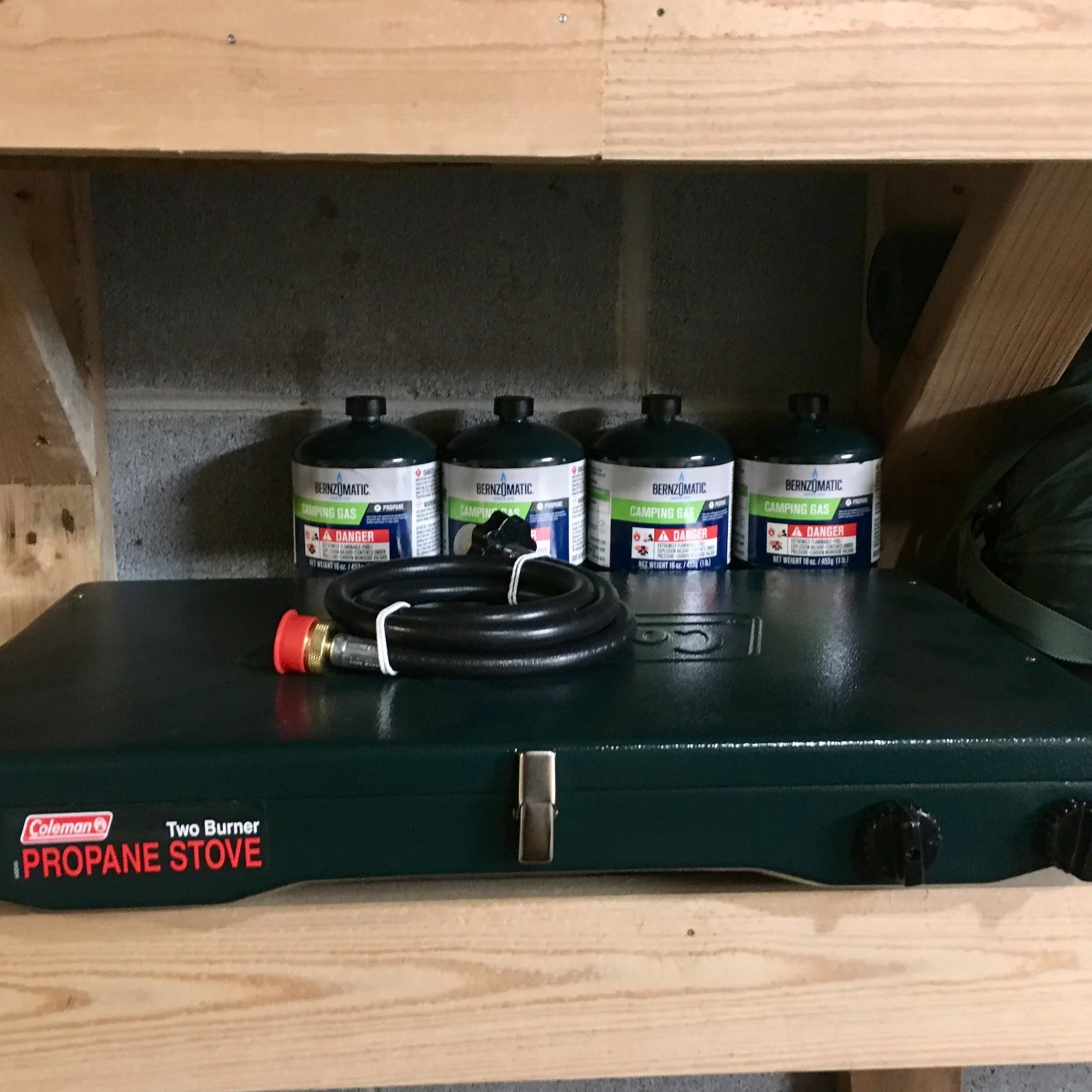
This is an old picture, this stove has been used many times.
If you have a grill, don’t forget about it! You can cook on a grill, though it’s not super efficient at things like boiling water. You can grill meat, bake potatoes, and even bake a pizza on the grill. Make sure you have plenty of fuel (pellets, gas, or my favorite: charcoal) and you’ll be good to go, at least for some cooking.
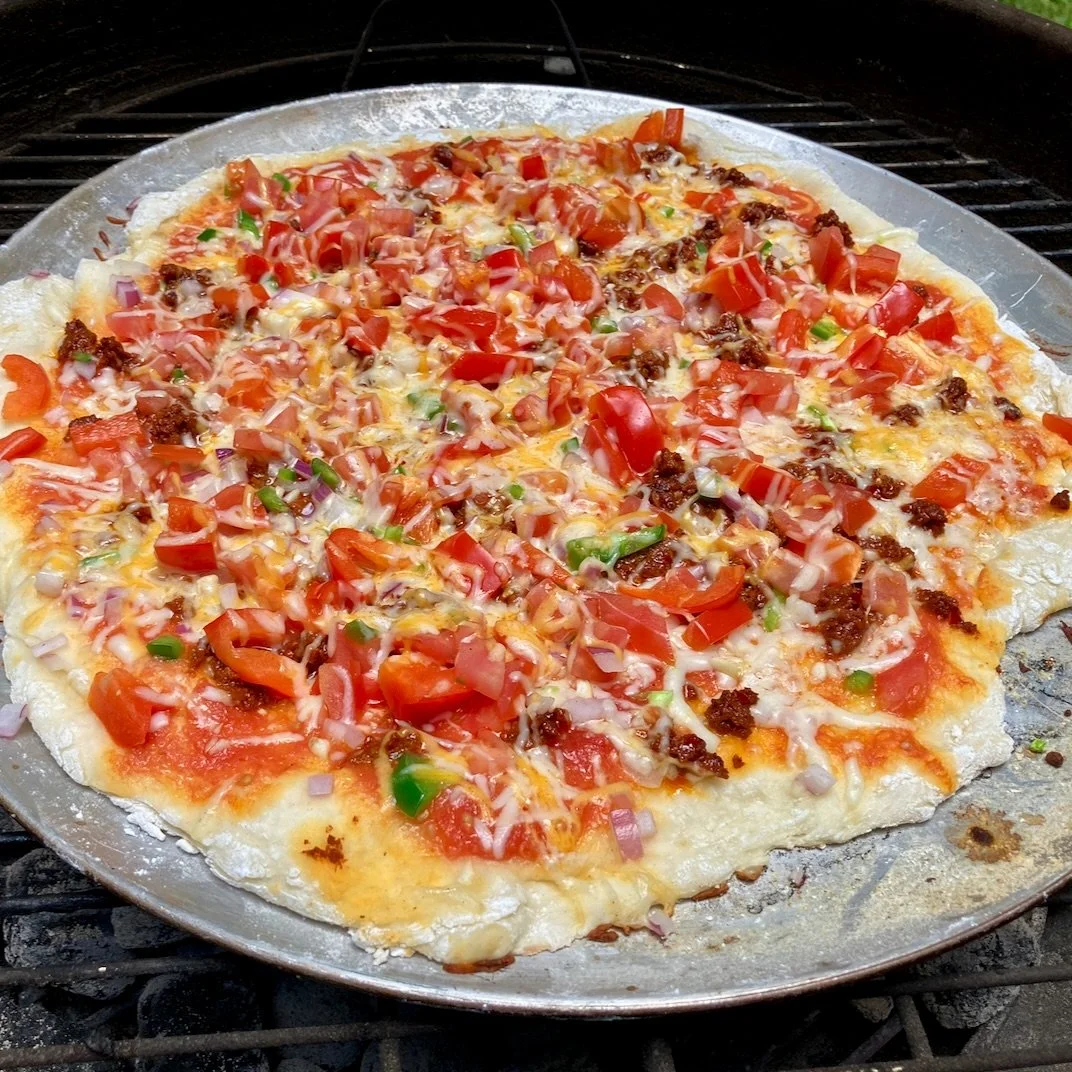
Nothing beats a pizza baked over hot charcoal! And you don’t need much to do it: flour, sugar, warm water, salt, and oil will make the crust, then throw whatever you want on top of it.
Home Heat
Maybe more important than food is environmental heat. Snow and ice storms happen when it gets cold. When you lose power, you will likely also lose heat, unless you are one of a small percentage of Americans with wood. I have had wood heat and I really miss it…and I hope to have it again. You will need some sort of electricity-independent power. There are a couple of heaters that I have used and can personally recommend.
The first is the kerosene heater. These are very reliable, very safe heaters. I have one, along with about ten gallons of kerosene (it is not pictured here because I loaned it to a family with small children who did not have an alternative heat source). They are low-pressure systems, but require filling the tank periodically, which can be messy, and they can be a bit smelly. A few gallons a fuel will heat a small space (say, a blocked off living room) for a few days if not run constantly.
The other heater I have experience with is the indoor-safe Mr. Buddy propane family of heaters. I used a small version of these heaters when I lived in the van. Like the Coleman stove, these run off 1-pound canisters, but the a high-pressure adapter will let you use grill-sized 25-pound tanks. These heaters are very safe, but be sure to follow all manufacturer’s guidelines.
Safety: Importantly, follow all manufacturer’s instructions! Never leave these heaters unattended. Keep them away from flammable items like carpet. Do not place flammable items on top of these stoves (blankets, clothing, books/magazines, etc.). Keep them at least three feet from walls and furniture, or more if recommended by the instructions. Store fuel well away from heaters, and preferably outside. ALWAYS use a carbon monoxide detector when these are in use! Carbon monoxide is deadly, and it is odorless and tasteless. Ensure you have smoke alarms in place, as well as fire extinguishers. Remember what I said earlier about first responders having to travel the same road conditions you are trying to avoid? It may take them a long time to get there, so use utmost caution to avoid having a problem!
One other thing to note about these heaters: they aren’t intended to keep your home at a roasty toasty 76 degrees. They are meant to keep it livable, say at 60 degrees. This is not terribly comfortable, but your fuel will go much, much further if you keep this in mind. Rather than running the heat full-blast with the intent of heating your whole home, or heating a space to an unreasonable degree, bundle up. Keeping your body warm with hats, gloves, sweaters, and blankets is much easier than heating your whole house.
Light
Finally, when the power goes out you will need a source of light. I am assuming you already have your EDC flashlight, so you aren’t completely helpless here (and if you’re like me there are flashlights all over your house). However, you will need an ambient light source for your house. The Streamlight Siege is a compact, AA-powered lantern that I used quite a bit during Hurricane Helene. The Super Siege is quite a bit more expensive, but much brighter (1100 lumens vs 500) and a bit larger, and is rechargeable. It would probably be better suited to larger spaces than the compact Siege. Headlamps are far easier to use than handhelds, so I would have a few of these on hand, too, as well as batteries to feed them.
Entertainment
This doesn’t seem like an important category, but boredom will get you into trouble. Plan for some electricity- and internet-free forms of entertainment. For me entertainment is a few books. I usually keep a few books in the queue on my Kindle, and I have a whole shelf of books in my house that I haven’t read…just in case. For you, it may be something else - a portable, battery-operated DVD player, puzzles, games for the family, etc. Be ready to be content for a couple of days (at least!) without leaving.
Medications & First Aid
I know first hand that running an ambulance in snow and ice is difficult. Response times are delayed. Sometimes calls are just held until conditions improve. During Helene some EMS agencies suspended operations for a period of several hours due to very legitimate crew safety concerns. Also, every call that you don’t have to make is one fewer times crews have to risk their lives on the road, and one less person to worry about so they can focus on other calls. I’m absolutely not saying don’t call if you need them, but realize that even if you do call, they may be hours - not minutes - away.
You should have some basic first aid items and the know-how to use them. I have written about basic first aid kids and a more advanced home first aid kit. These items are great to have, but without the skills to use them they won’t do you much good, so GET SOME TRAINING! You should also have some over the counter clinical medications to treat common ailments. Remember, you probably won’t be able to run out on a whim and grab whatever you need. Stay tuned for an article on the medications you should consider stocking in your home for emergency purposes. In addition to OTC stuff, you should make sure you have at least a week’s supply of an prescription medications.
Since help will likely be delayed in getting to you, it’s probably a good time to take it easy and avoid unnecessary risks. It’s probably not the time to take up chainsaw art. And for that matter, you should probably keep alcohol consumption to a minimum.
Operating During The Storm
The basic principle you want to operate with once the storm hits is to keep everything as ready as possible in case you lose power.
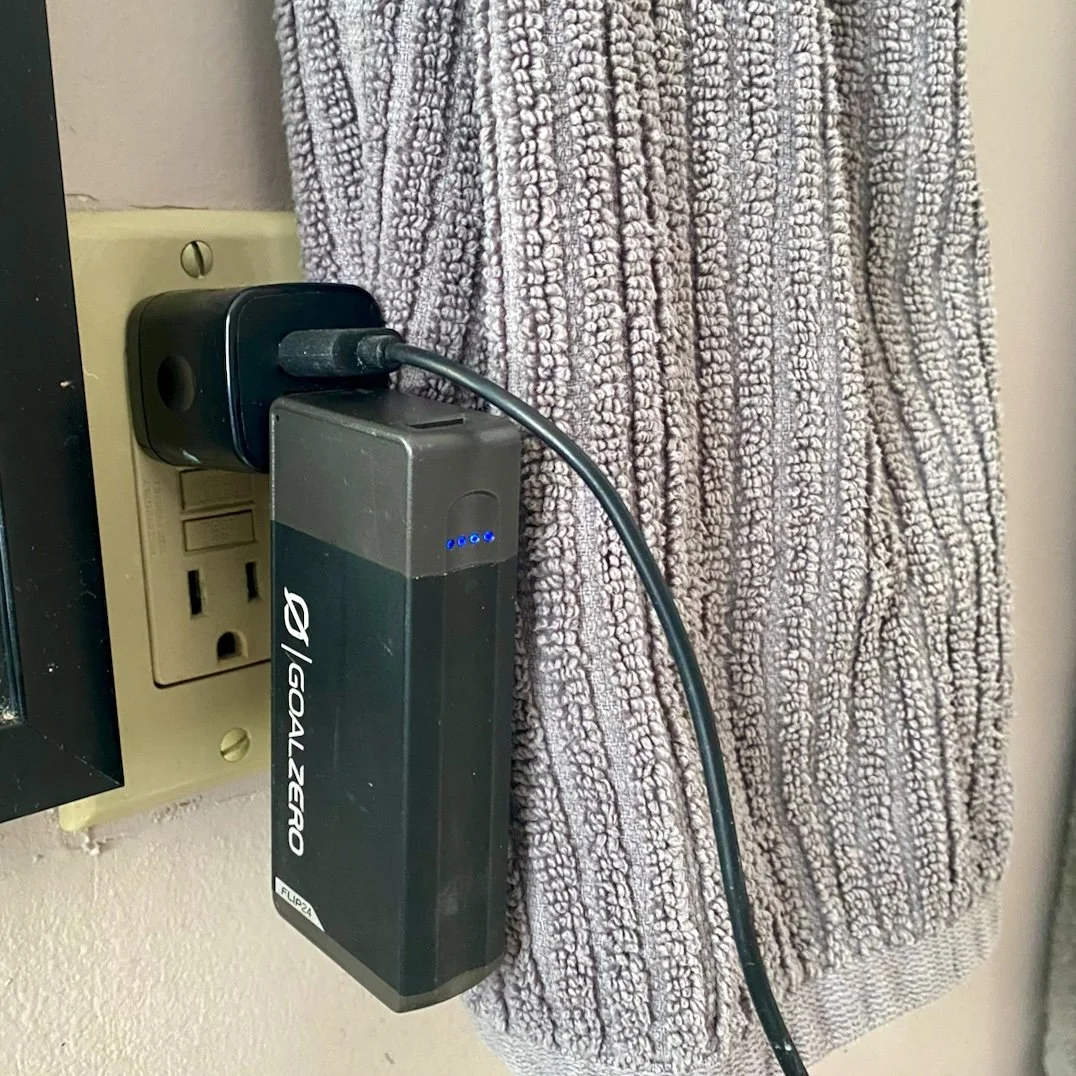
Charging Batteries: Before the storm hits, get everything charged up. Before these last two storms I made sure to charge my phone, my AirPods, and my portable battery pack. Since it can also be used to charge other devices, I made sure my Mac was fully charged, as well. I wanted all of these items at peak functionality prior to losing power. Once your items are charged, you should keep them charged, since you never know when you will lose power. Though it is good to exercise your batteries, keeping them on the charger for a few days isn’t going to have a huge adverse affect on them. I made a point to never let my phone drop below 80%.
Food: Eat your frozen and refrigerated stuff first. This will ensure that the minimum possible stuff can be lost if the power does go out. It also ensures that you haven’t eaten half of your “emergency rations” when the power does finally go out; a frozen pizza isn’t going to do you much good when you can’t use the oven.
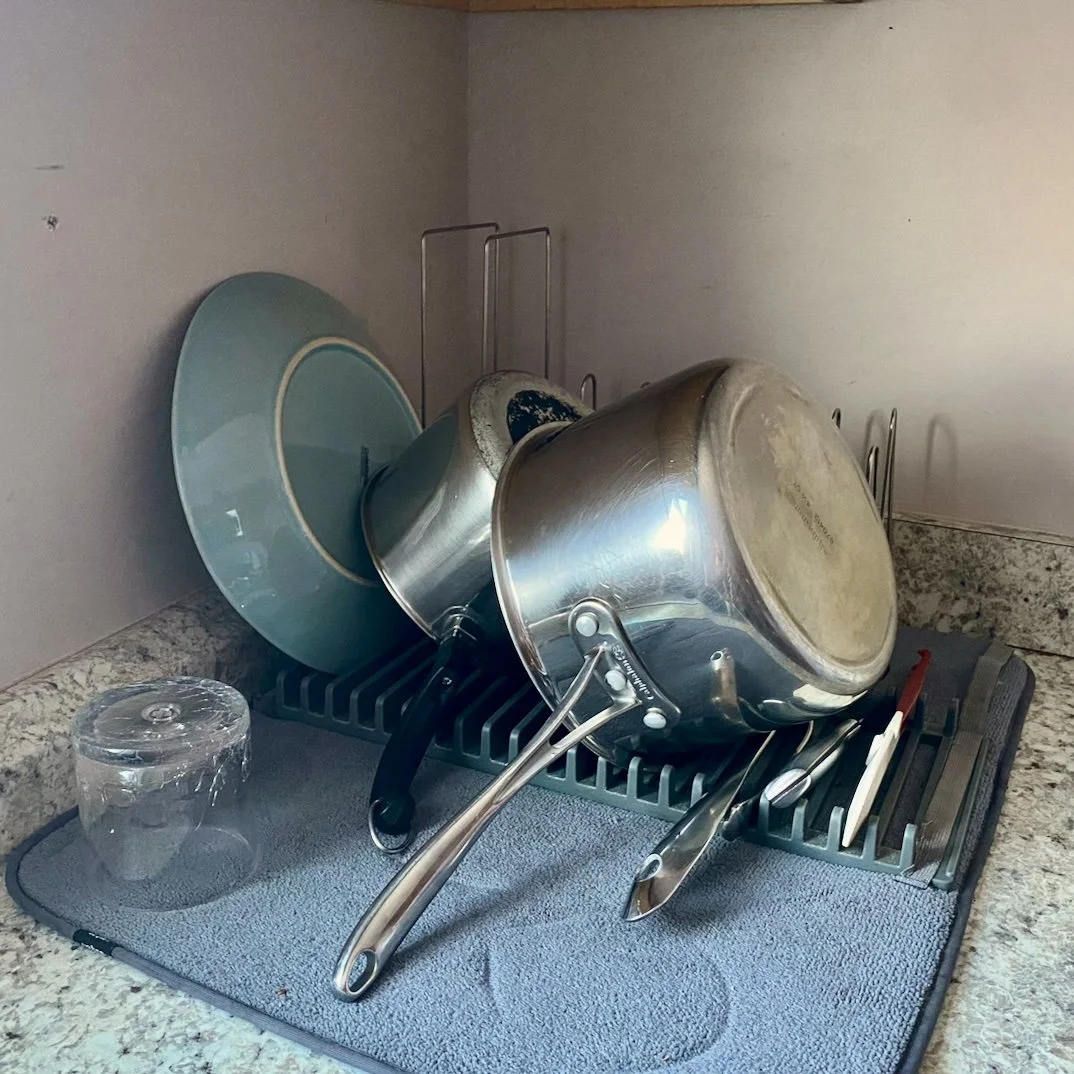
Water-Dependent Stuff: Again, keep this stuff as ready as it can be. Wash your clothes before the storm hits; don’t go into it with six loads of laundry waiting for the weekend - get it done early. When it comes to dishes, wash them as you go. Don’t start the power outage with a sink full of dirty dishes. Stay showered, so you’re not two days without a shower when the power does go out. If you use water (say, out of a Berkey filter) replace it immediately.
Clearing Snow: As soon as the snow stops falling, it’s time to clear your vehicle and driveway. If you need fire, police, or EMS (and trust me, no one ever plans to need them) you’ll want them to be able to get as close to your house as possible. If you need to get out for some emergency, you won’t want to spend the time doing that stuff then. Get it done, then rest easy.
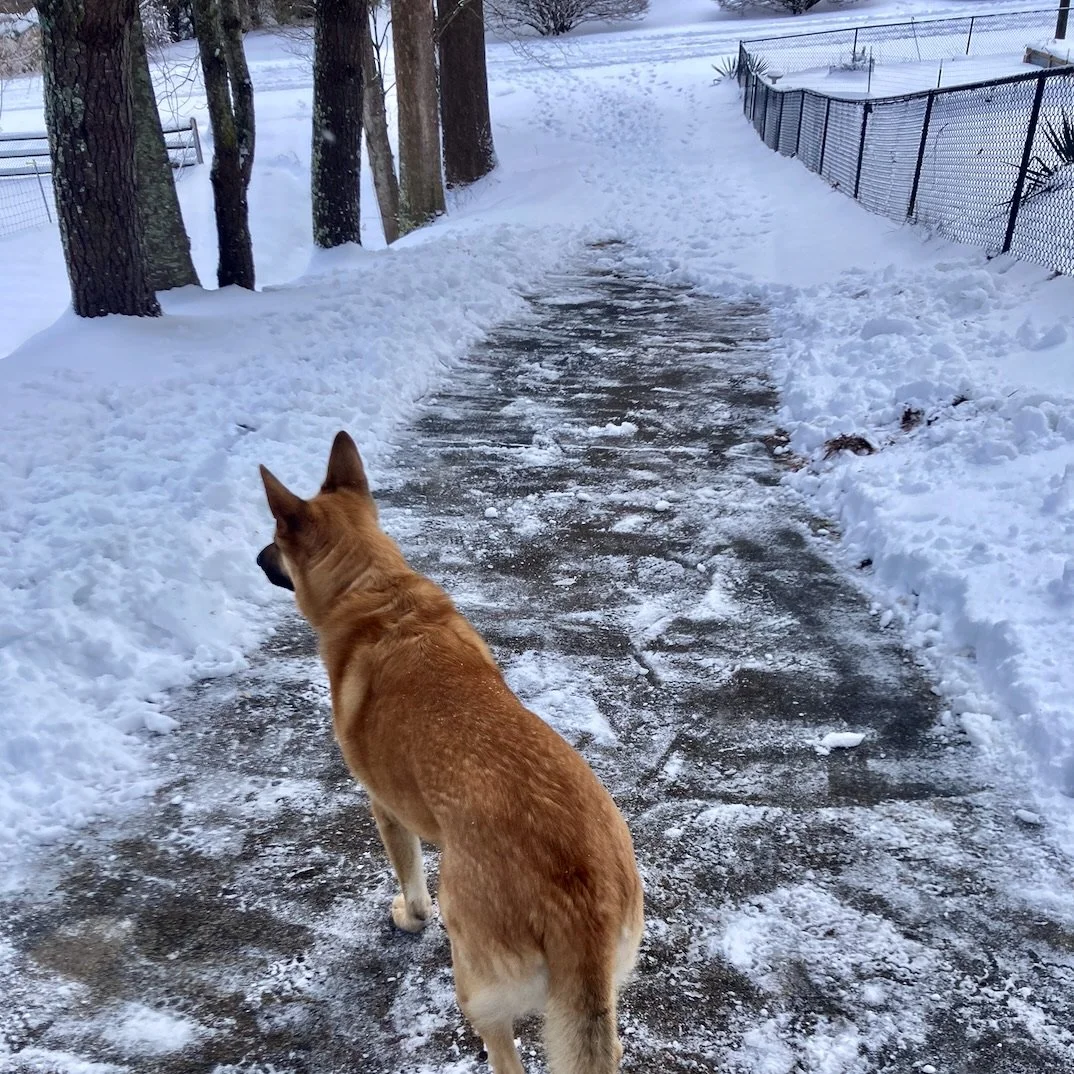
Hunker Down & Stay Put! Lastly, once it starts snowing, execute your plan, use the items you have prepared, and stay put! Don’t get out on snowy or icy roads unless you have to. Take the time to deliberately enjoy the weather. For me that means lots of guilt-free time to ready, spend time with my dog, get out and shovel snow, etc. Again, you might be the best driver around, but you are at the mercy of forces beyond your control.
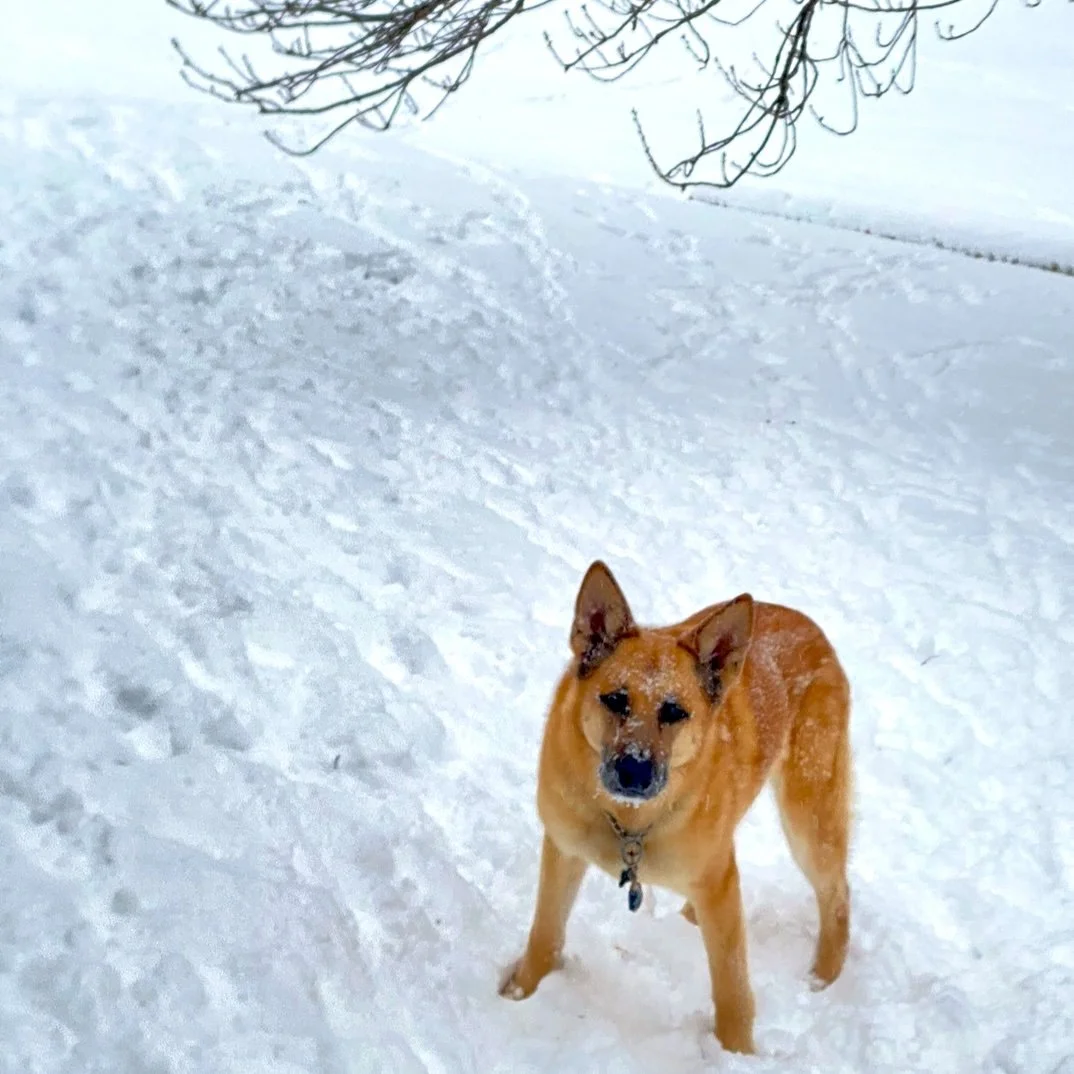
My favorite activity during a snow-in: quality time with my beautiful German Shepherd Dog.
Wrap-Up
And that’s about it for preparing for, and living through, a storm. The only other thing I might add is be prepared to displace if you do lose power…but only if you have a place to displace to and if it is safe to do so. Otherwise, as I said: stay put and do your best to enjoy it!