DON’T DO IT: Birdshot For Defensive Use
There are a lot of pearls of “wisdom” in the gun world. People like thinking they know some archaic secret. The more that “secret” goes against the conventional wisdom, the more appeal it seems to have. I thought the issue of using birdshot for defending against human beings was a dead issue. Apparently, it is not. This post will discuss why you should NOT employ birdshot for defensive use.
This article contains affiliate links. Using these links gives us a small commission but costs you nothing. Please consider using our Amazon link to support this blog.
This is a topic that has reared its ugly head in - of all places - my job. There is a prolific instructor at the state level who advocates the use of birdshot for SWAT entry operations. This idea has been embraced by many individuals at my agency, and I have felt like I’m pushing water uphill to change minds on this topic. The benefit of this for me, is that I have gotten to really think about the most cogent reasons this is a bad idea. Today I will share these reasons with you. This article contains affiliate links. Using these links gives us a small commission but costs you nothing. Please consider using our Amazon link to support this blog.
Before we talk about why birdshot is such a phenomenally bad idea, let’s look at the three primary ways that firearms stop humans: the psychological stop, and so-called “timers” and “switches.” This is just background, but bear with me…this is going somewhere.
The Psychological Stop
The so-called “psychological stop” is best-case scenario and it occurs when the attacker reacts from fear or injury or pain from non-definitive injuries and ceases to fight. As John Hearne says, “some bad guys just want to see your gun,” meaning as soon as they see you are armed, they quit. They are not interested in a fight. Some will require more convincing than this, though. Some might need to see or hear your gun go off to be convinced. And some might need to be shot. Often, an individual shot with a non-incapacitating would will decide it is not worth it to continue. Or the pain may overcome them.
“…they may be mentally ill, drunk, high on methamphetamine, or simply have a powerful will to prevail.”
The shotgun is widely touted as a "psychological” fight-stopper. Racking the slide, the huge muzzle, and gruesome (but superficial) injuries from birdshot are all somtimes given as reasons for relying on the shotgun. The reality is, however, we can’t depend on someone who attacks us to make a reasonable decision about their own safety.
That is why we cannot depend on the psychological stop! It relies on a person who is already taking an unreasonable action to make a reasonable decision! This person, another extremely complex human being with a set of variables that we cannot begin to imagine, has autonomy. They might quit at the first sign of resistance. Or they might make you fight to the death. There is simply no way to know or predict what they will do. Keep in mind also they may be mentally ill, drunk, high on methamphetamine, or simply have a powerful will to prevail.
If you doubt me, there are tons of instances of humans absorbing tremendous punishment with firearms and either living through the encounter or continuing to fight until dead. The cases of Trooper Mark Coates, Michael Platt (murderer killed in the 1986 Miami shootout), Detective Jared Reston, civilian Gabe Tausher all demonstrate that some people can be shot, many times, and continue to fight back and inflict injury or death for a long time.
Definitive Stops: “Timers” and “Switches”
The next method of incapacitating a bad guy is by “setting a timer.” That is, striking some structure that provokes enough blood loss to render the attacker unconscious or otherwise incapable of continuing to be a threat. The vital structures that can do this are the heart and major vessels (i.e. the aortic arch, descending aorta, carotid, subclavian, and femoral arteries).
Switches are the central nervous system, which is made up of the brain and spinal column. When these structures are compromised, the results are instantaneous, like flipping a switch. As Jared Reston (the winner of multiple gunfights)† says, someone shot in the head will go down so fast you may initially think they dodged your bullet.
Headshots are slugs, body shots with a pistol, from 3 to 15 yards. Would you trust yourself to do this with birdshot? Federal Flite Control buckshot? Yes. Slugs? Yes. Birdshot? Absolutely not.
†If you haven’t watched the two-hour video linked above, you owe it to yourself to do so. Jared talks all about the gunfight in which he was shot seven times - including in the face - with a .45 ACP. He talks at great length about the mental and physical factors that helped him overcome and win - not merely survive - the fight. His lessons are broadly applicable and he is an entertaining speaker. Check it out.
Hitting one or more of these vital structures, the heart, major vessels, brain, or spinal cord, is the only way to truly FORCE someone to stop. Remember, if we are shooting at someone, it is because they are trying to kill or seriously injure us…otherwise, we probably aren’t legally justified in shooting to begin with. And if someone is trying to kill you - someone who is already making highly irrational decisions - we can depend on them to decide to stop trying to kill us.
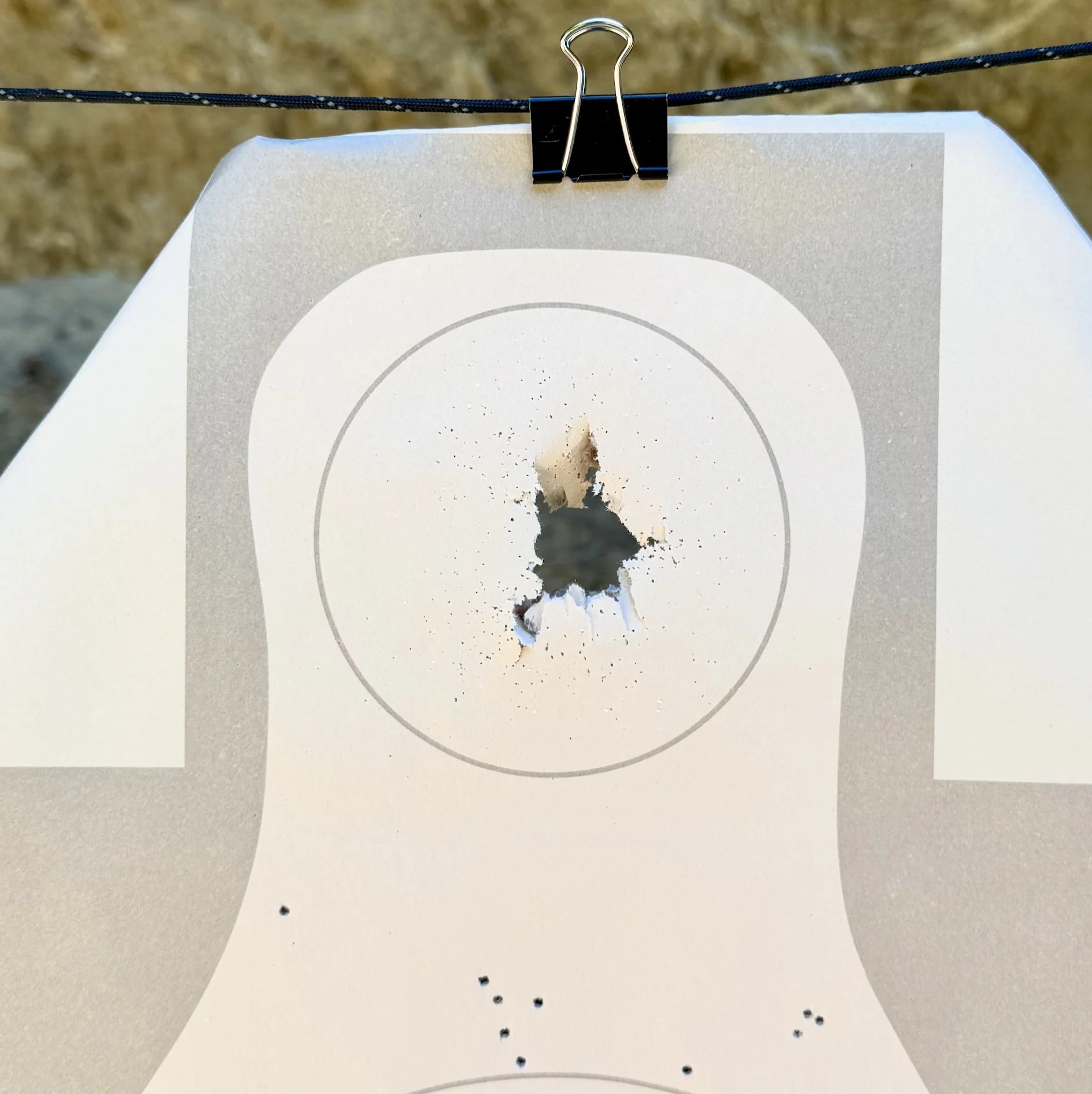
A load of 00 buckshot (Federal Flite Control, 9-pellet) fired at 7 yards. This is a devastating payload that will stop any attacker with minimal (if any) over-penetration in human tissue.
You should assume that if someone is trying to kill you - with a gun, a knife, an baseball bat, a hammer, their hands, whatever - you will have to force them to stop. If they see your gun and leave, great! If you inflict a minor wound on them and they leave, good. But you should not go into the fight anticipating this; you should expect and prepare for the worst-case scenario.
All of this gets into my first reason you should not choose birdshot for defensive use.
1. Penetration in Human Tissue
In order to definitively stop a threat, we must do one of two things: cause sufficient blood loss to cause unconsciousness or hit the central nervous system. The body protects these critical systems. The brain and spinal cord are encased in bone (the skull and the vertabrae). The arteries are deep in the body - inside the limbs where they are protected by muscle and bone. The heart and aorta are inside a cage of bone that is covered with muscle. If these systems were superficial or external, we’d have a much higher likelihood of dying from injuries to them, so the body protects them.
In order to make an effective hit on one of these systems, bullets or shotgun pellets must achieve adequate penetration. They must be able to punch through skin, muscle, bone, and other body tissues to the get to the ultimate target.
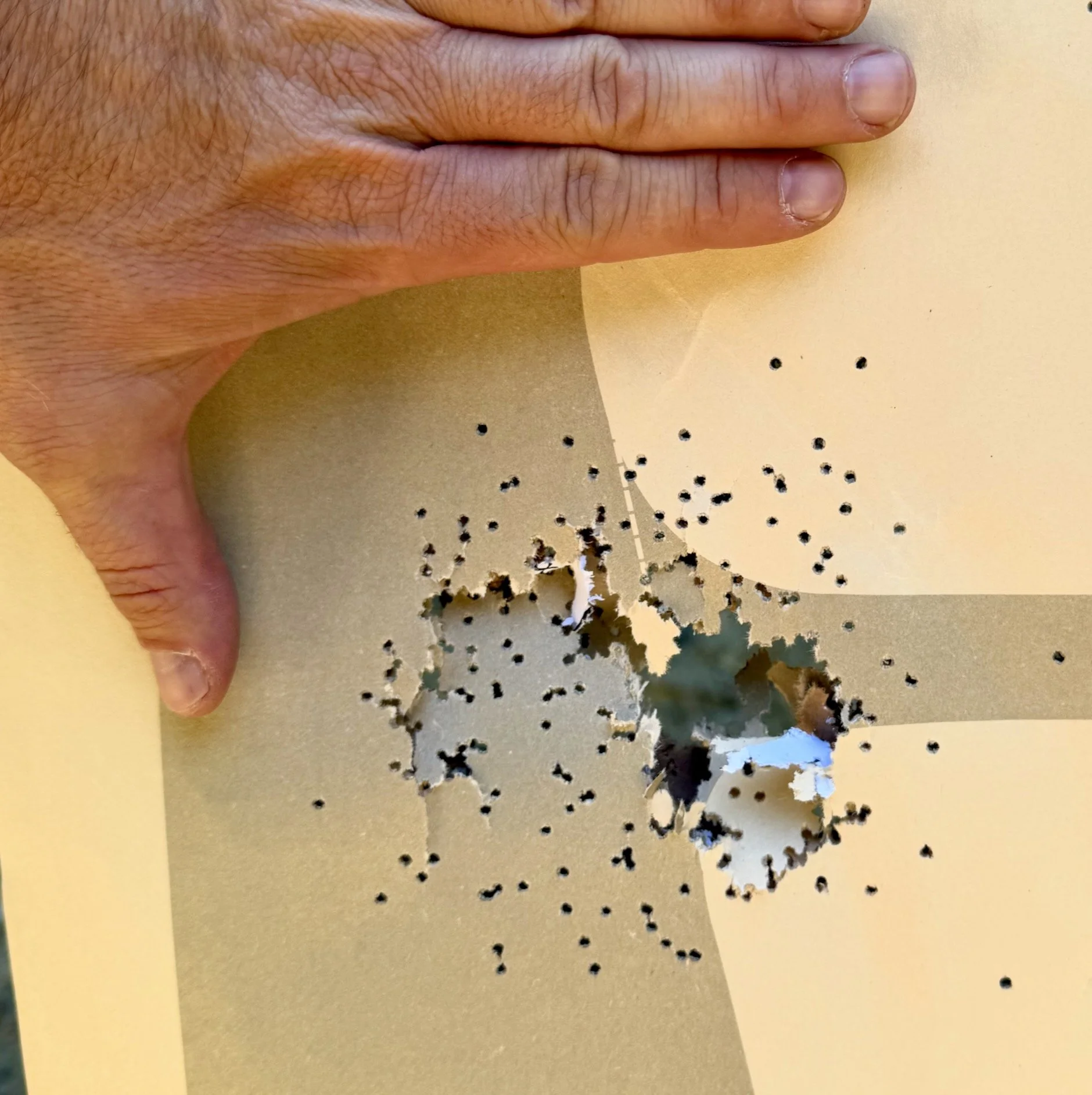
A load of #6 birdshot fired at 10 feet. I admit that this would likely cause a fatal injury, if placed properly. However, the group is several times bigger than a 00 buckshot group TWICE the distance.
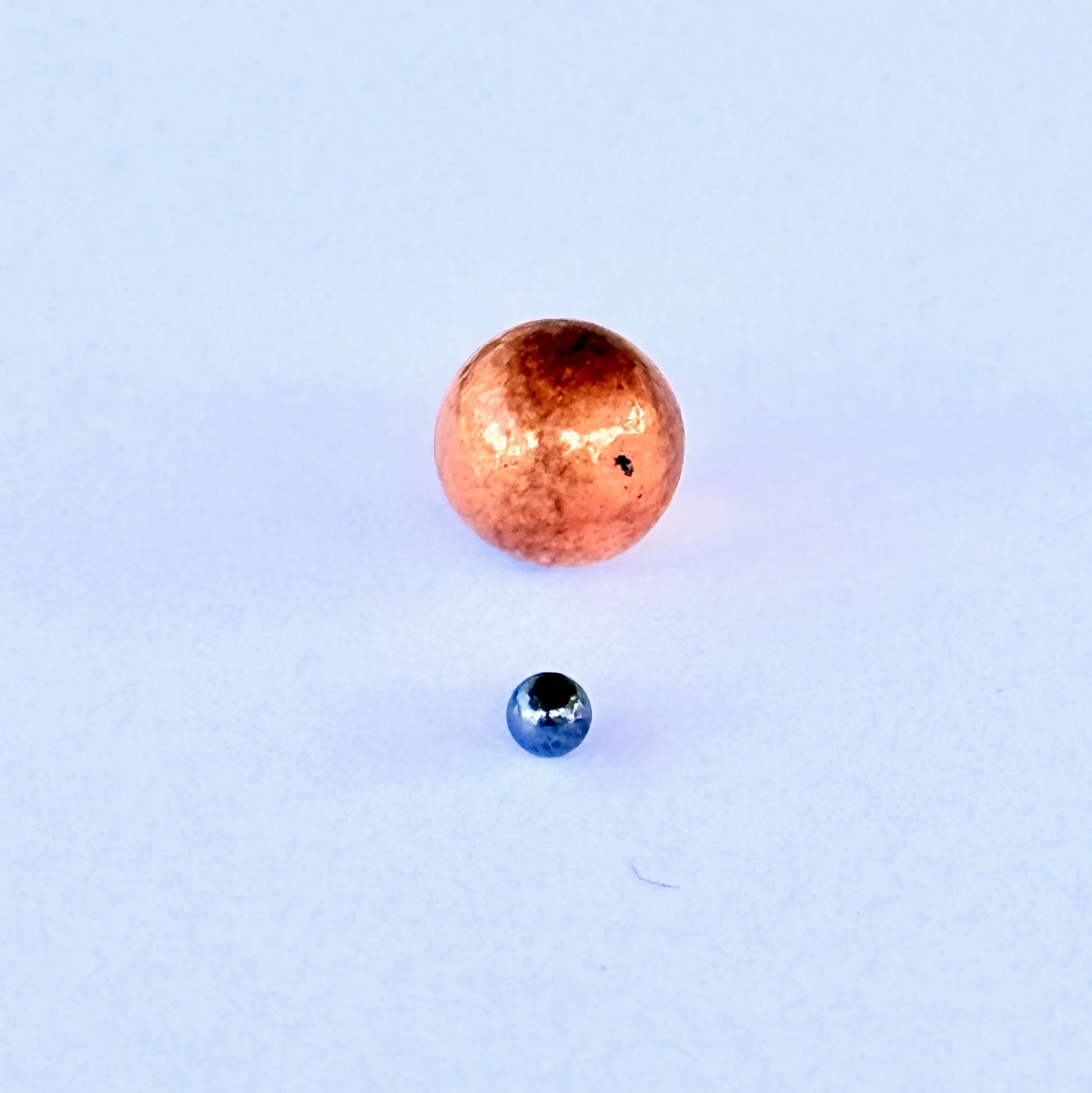
Birdshot is much smaller than buckshot. Each pellet of #6 birdshot (a size you’d use for hunting rabbits) weighs roughly two grains. This is simply not enough energy to penetrate very far into skin, muscle, and bone to reach those critical structures at any appreciable distance. At extreme close range (contact to a few feet) a load of birdshot can certainly be lethal. All of the pellets are traveling very closely together and have a multiplicative effect. As distance increases, however, and the shot spreads, each individual pellet now has to do more work, even as it is rapidly losing energy.
There are two factors that may limit birdshot’s ability to reach vital structures: unpredictable engagement distance and unpredictable target presentation.
2. Unpredictable Engagement Distances
As distance increases, projectiles lose energy. Because of their extremely small mass and un-aerodynamic shape, birdshot loses energy very quickly. Unfortunately, none of us have the ability to predict the distance at which we may have to fight for our lives. Each additional foot the pellets have to travel increase the distance between pellets, reducing their cumulative effect. Each foot also robs each individual pellet of energy, reducing their potentail penetration.
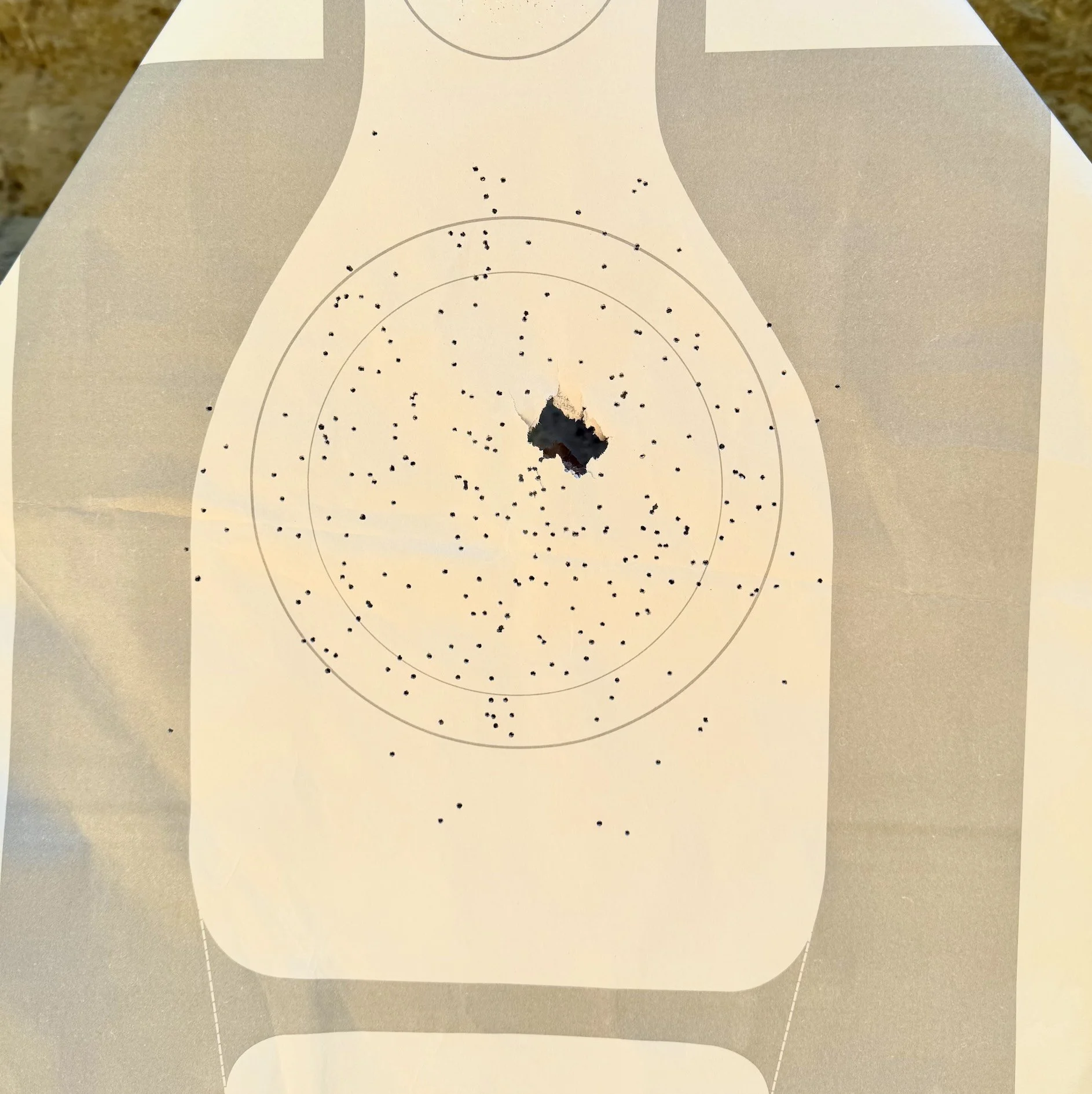
At a mere 7 yards the pellets have separated enough that they gain no cumulative effect at all. Would you depend on any of these pellets to penetration clothing, skin, muscle, bone and reach a vital structure?
Birdshot may work fantastically well at some arbitrary distance (let’s arbitrarily say 10 feet and under, ONLY for the sake of argument). But how do you know you won’t have to fight for your life at 15 or 20 feet? These are not unreasonable distances, even inside a single-wide trailer. The longest shot I could make inside my house - deep in my “dojo” to the end of the hall - is over 30 feet. The longest likely distance - from my bedroom door to the end of the same hall - is still almost exactly seven yards. Will birdshot be effective at seven yards? I wouldn’t count on it.
3: Unpredictable Target Presentation
The other factor influencing birdshot’s ability to reach a vital structure is the target presentation. Most of us probably imagine shooting a bad guy as we shoot targets: With a full on, center mass presentation. The reality is that few bad guys will just stand there and be a good target for you. You may be able to line up the sights on a nice, full-frontal sternum…or you might have to take an angling shot that has to penetrate much, much further to reach something important.
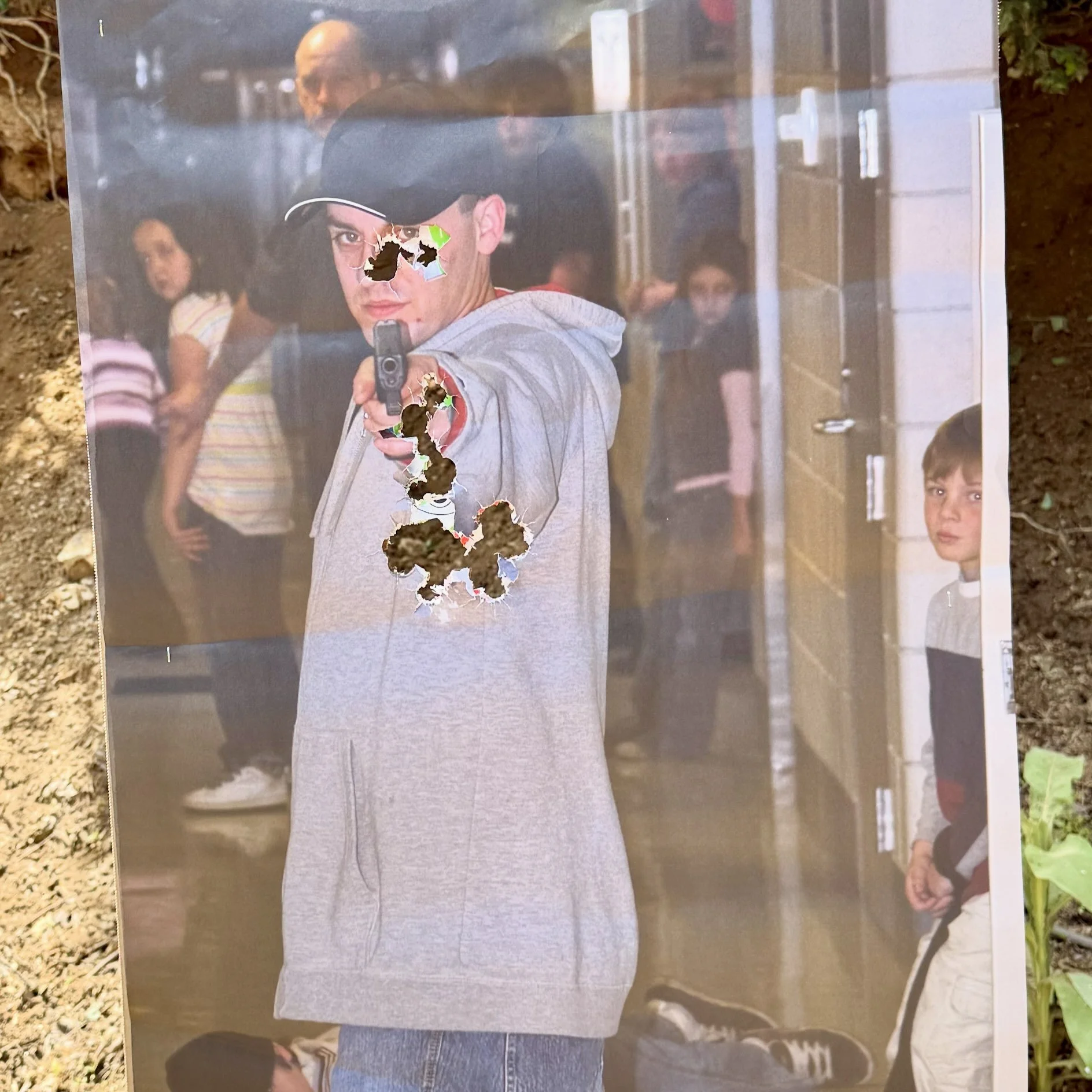
This target was shot with slugs during the Solo Officer Response to Active Shooter class that I recently attended. Most targets encourage us to only consider the idea that we would ever be presented with a target fully facing us. How often do you train to shoot someone turned in profile?
If you had to shoot through the bad guy’s arm, then into the thoracic cavity, would you depend on birdshot to get that done? Again, at contact distance it might, but as distance increases the odds of a successful shot plummet.
Now add a little bit of distance - let’s say 20 feet - and a non, full-frontal target presentation. This makes birdshot start to look a lot less attractive…at least to me. But let’s throw another variable or two into the mix.
4. Intermediate Barriers
I know what you’re thinking: citizens are not cops and don’t need to worry about shooting through car bodies and automotive glass. And you would be correct. But I’m talking about a much, much more benign set of barriers here: heavy clothing. There seems to be a fair amount of misunderstanding about “heavy winter clothing” in regards to pistol bullets. Hollow point pistol bullets will often penetrate more deeply after encountering heavy clothing; as the hollow point becomes clogged, the bullet fails to expand, and the bullet behaves as a full-metal jacket. This is not necessarily the case with shot, however.
Shot is spherical in shape. Most birdshot is also soft lead, which is easily deformed. And again, as we’ve discussed, with each increase in distance from the intended target, energy is lost. At our arbitrary distance of point blank to a few feet, I wouldn’t count on a leather jacket or Carhartt coat to protect me from birdshot. At a few yards, a heavy coat and sweatshirt probably will begin offering some protection from those tiny pellets. I actually know quite a few people who have been “peppered” with birdshot (though at much greater distance than we are talking here) with zero penetration through a hunting jacket.
Again, let’s stack these variables. If the bad guy is four feet away, presenting a full-frontal shot, wearing only a t-shirt, birdshot can probably be pretty effective. But if he is down the hall and now several yards away, and not directly facing you, and is wearing several layers…is birdshot going to dependably - and definitively - get the job done? I wouldn’t be my life on it, especially when much better alternatives are widely and inexpensively available.
5. Pellet Accountability
This, admittedly, is not a huge concern for me at home since I live alone. It should be for those of you with other family members in the home, and it certainly should be a a concern for anyone considering using a shotgun for law enforcement work. A round of buckshot contains eight or nine pellets. With modern iterations of buck like Federal Flite Control pellets can predictably be kept on a human-sized target out to substantial distances. Even cheap, conventianal buckshot can keep all pellets on a reasonable, human-size target at common defensive distances. Keep in mind that as we discussed earlier, you should not always expect to get a full-frontal shot, so know your patterns accordingly.
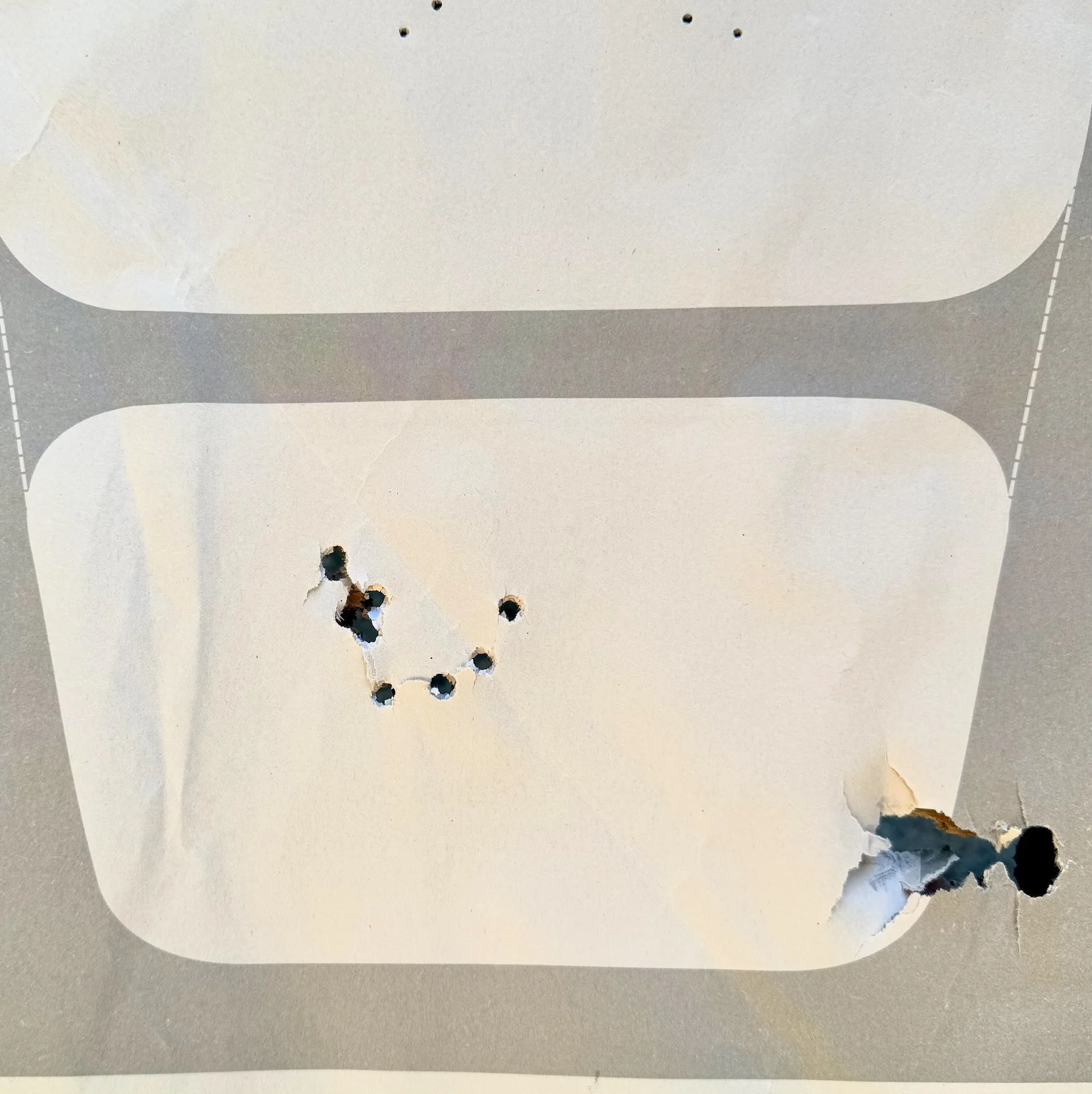
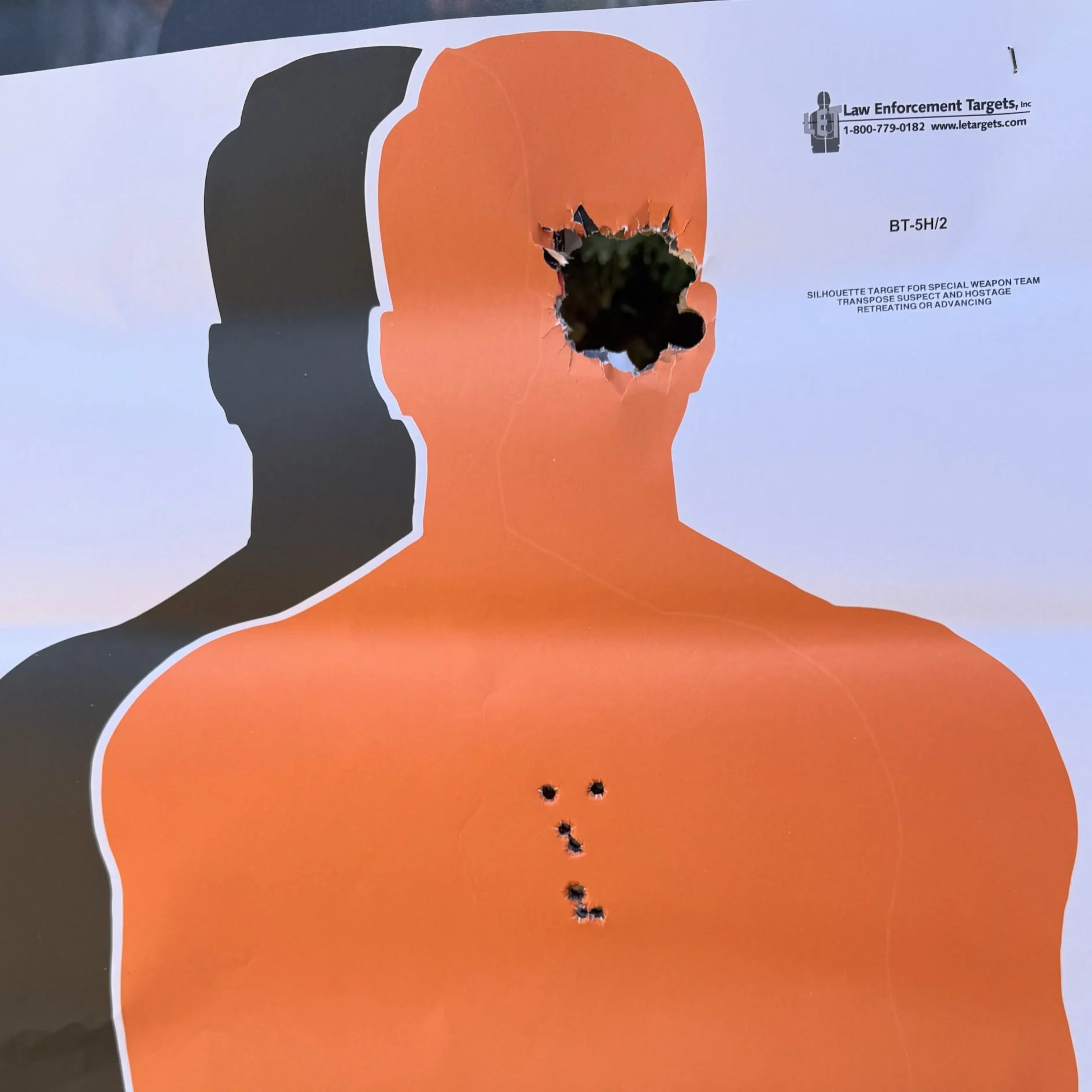
Even out to 15 yards, high-quality buckshot offers 100% pellet accountability, even on a target presented in profile. The large hole at right is the wad.
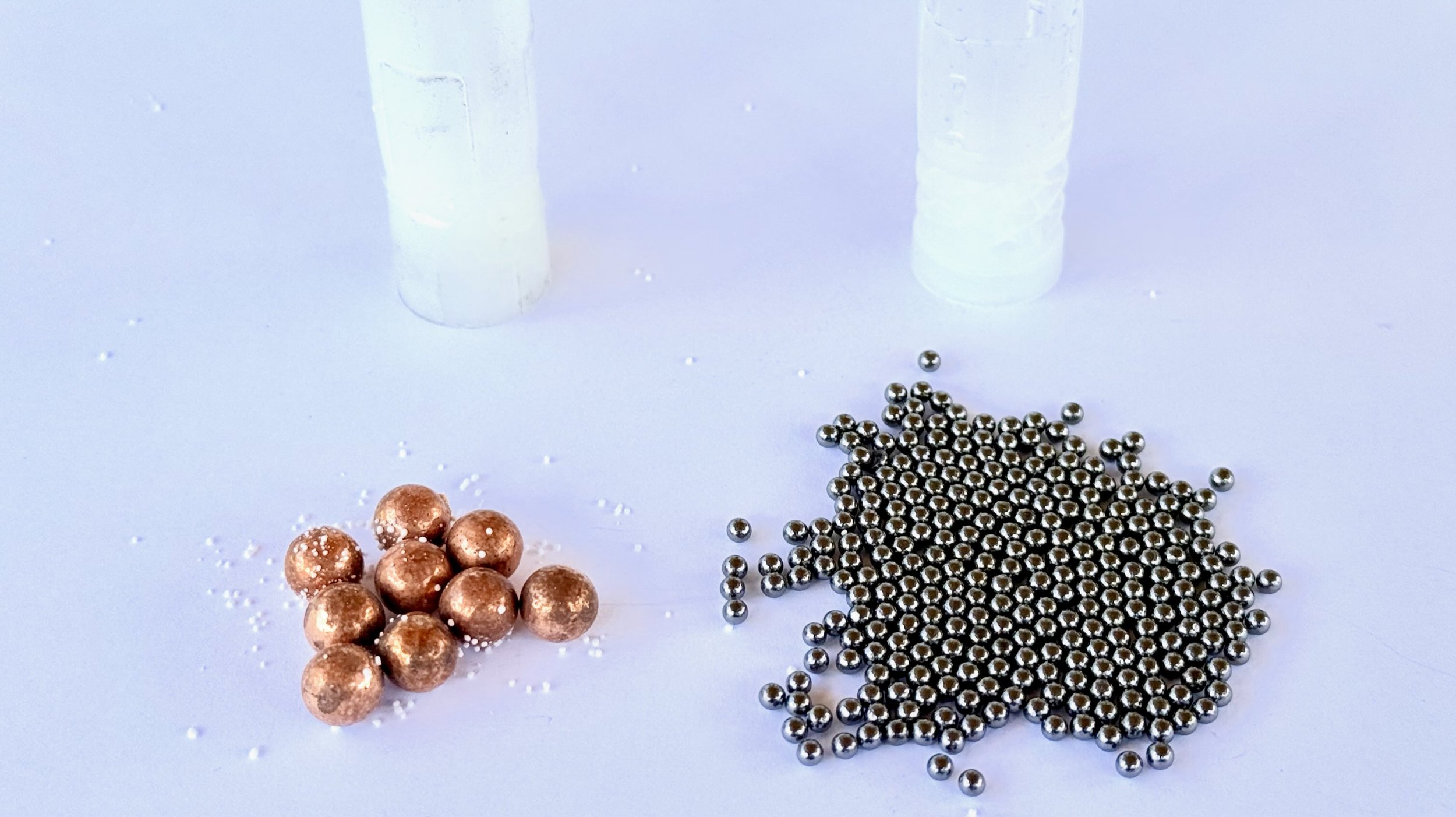
Birdshot, however, contains many more pellets than a load of buckshot. Our exemplar 1-ounce of #6 birdshot contains about 250 pellets. Each one of those pellets comes with all the legal, moral, ethical, and financial responsibility of deadly force. Additionally, these pellets will spread more quickly than buckshot. Though I wouldn’t count on them to put down a methed-up bad guy, even a single errant pellet can put out an innocent person’s eye, and even kill.
6. No Appreciable Benefit
I have given you several reasons to reconsider birdshot for defensive use. My last one is this: what is the perceived benefit? I can’t find a single, really good reason to use birdshot when buckshot and soft, Foster-style slugs are readily available. The reason I commonly hear is because “it won’t over-penetrate.” That may be true. If you are reluctant to use buckshot, consider this: a 9mm bullet is far more aerodynamic, stable in flight, and two to three times as heavy as a pellet of 00 buckshot. It will penetrate at least as many (and probably many more) walls, couches and other barriers as a buckshot pellet. Are you going to give up your handguns?
Conclusion
I don’t think birdshot is a great option for home defense. If we could guarantee that all the shots we would have to make would be within a given distance - again, say 10 feet - it might be ok. But we can’t guarantee that. We have no idea how a home defense situation will actually play out. We also don’t know if we’ll get an attacker who will succumb to a painful but ultimately survivable wound, or one who will absolutely have to be physically stopped. Additionally, we can’t guarantee how the target will present to use. If he is full-on, chest forward, birdshot probably has a pretty good chance of working. If we have to shoot through an arm and some heavy clothing first, will it reach a vital area?There’s an awful lot about a fight that we don’t know and cannot predict.
When we couple that with the lack of pellet accountability and the lack of any clear, appreciable benefit, birdshot doesn’t make much sense to me. Ultimately, you do you, but if you’re looking for an opinion, mine is this: use a high-quality buckshot or soft, Foster-type slug for self defense. You wouldn’t hunt deer or try to stop a mountain lion with birdshot… so why would you trust it to defend you against a tweaking meth-head with a gun who is trying to take your life?