AAR: Dialed-In Training’s “Intermediate Pistol”
Last weekend I had the immense good fortune of attending Dialed-In Training’s “Intermediate Pistol.” These classes are rare, and this was one that had been on my wishlist for a long time. I finally got the chance and jumped at it. Despite almost having to cancel at the last minute, it all worked out and I got a ton of good information out of this two-and-a-half day class.
Disclaimers: Justin declined to accept payment from me for this class. Additionally, Justin and I served together and I have a very high opinion of him outside of this class. Though I would like to tell you that this review is 100% unbiased, I realize that it probably is biased, at least to some small degree. Keep that in mind as you read this AAR.
Additionally, this article contains affiliate links. Using these links gives us a small commission but costs you nothing. Please consider using our Amazon link to support this blog.
Dialed-In Training
Dialed-In Training is one of the best-kept secrets in the training space. It is the exclusive domain of Justin Dyal. Justin is a retired Marine officer with whom I served in the military. We didn’t deploy together and our service didn’t overlap as much as I would have liked, but I remember Justin from the early days of the Marine Special Operations Command. Justin didn’t learn shooting in the Marine Corps, however. He was already a competitive shooter, and was already seeking out training on his own. Now he is at an elite level of training, having studied under all the “household name” trainers, and many of those who are no longer with us; more on this momentarily.
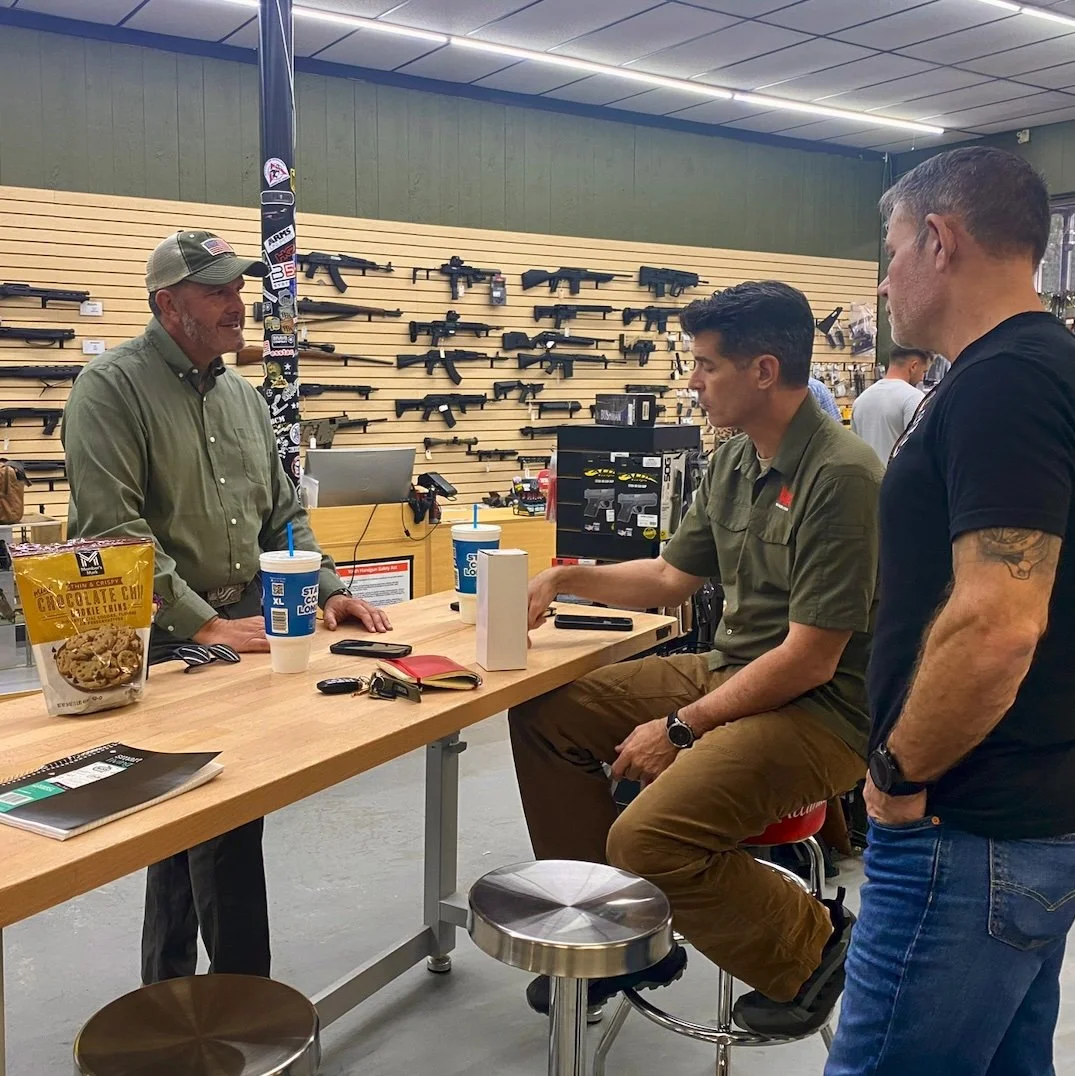
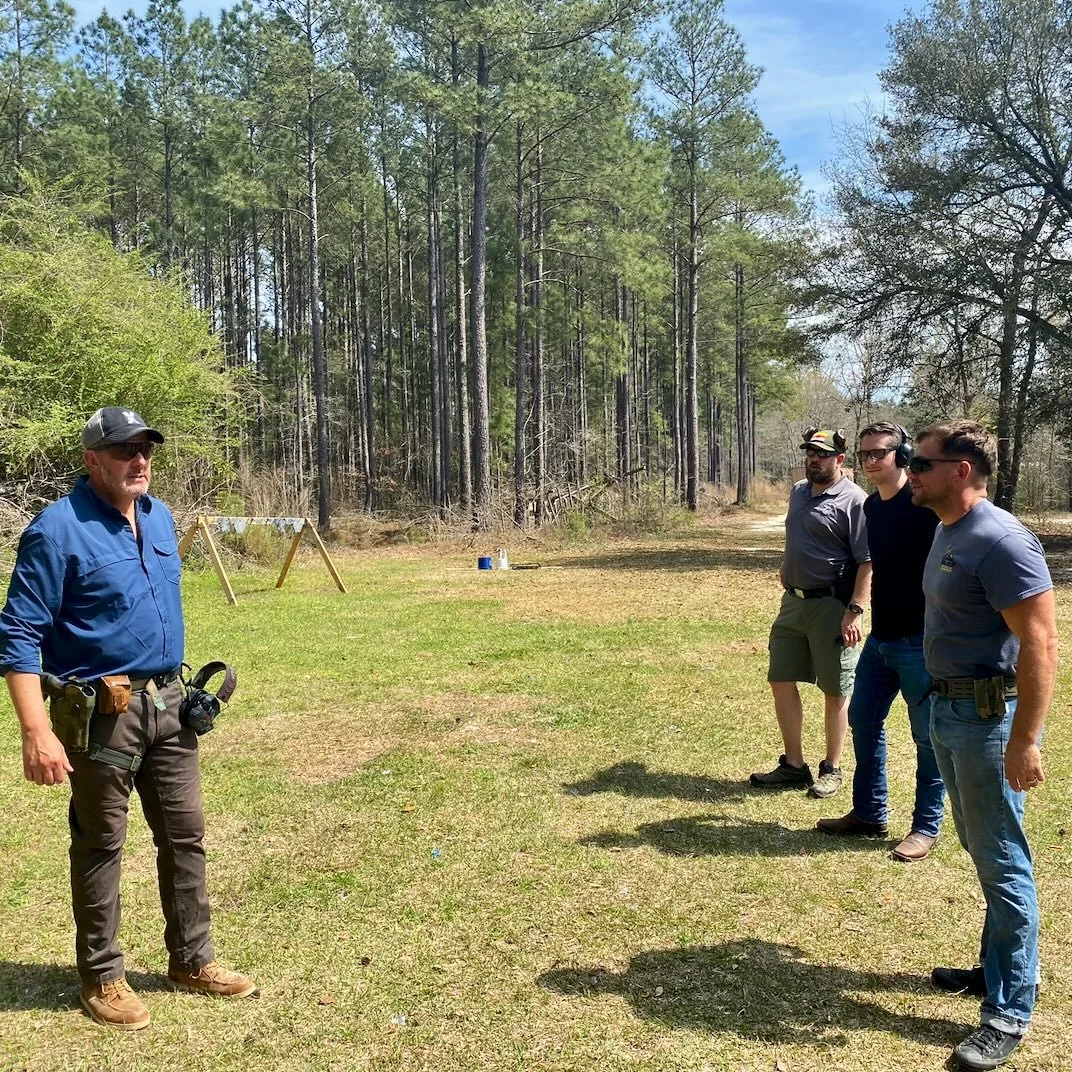
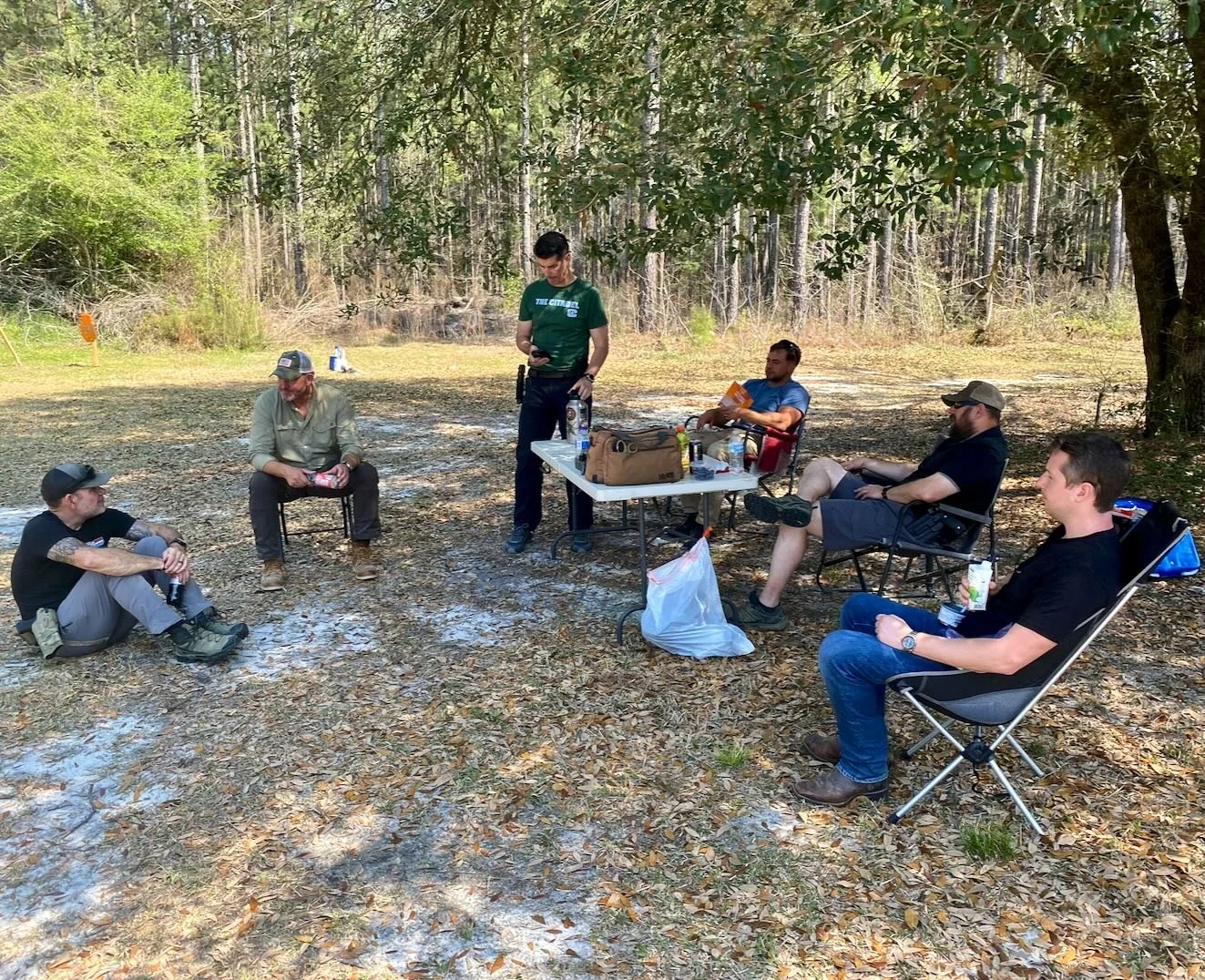
Justin catching up with students James Williamson and Ben Bergamini.
Seeking to give some of this knowledge back to the community, Justin started Dialed-In Training. It is no accident that classes with Dialed-In are so difficult to find: he just doesn’t run that many. Justin explained during the class that he doesn’t want to turn this into a job. Rather than let it become a grind, he teaches what he is excited about in the moment. That’s why no two Dialed-In classes are exactly the same; he follows his interests. Secondly, by the time most shooters have been shooting long enough to have heard of Justin, they are in a pretty small minority of the shooting community. These are not beginner classes, as we’ll see.
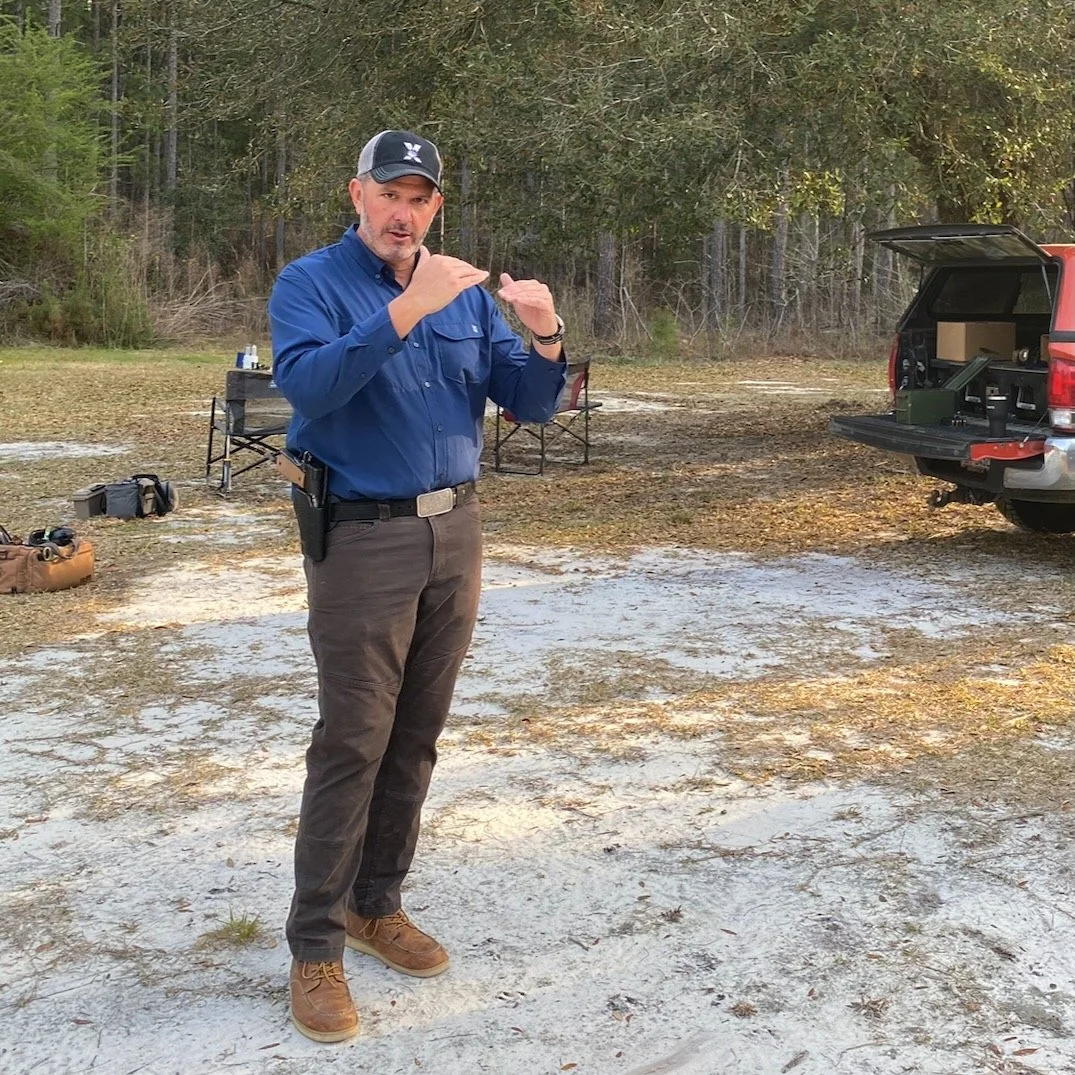
If you’re interested in training with Dialed-In Training, you’ll have to follow him on Instagram. I reunited with Justin a couple of years ago at the Mead Hall Range in SLG’s excellent class. After hearing that Instagram was the only place to find Dialed-In classes, I caved and got on the ‘gram.
Intermediate Pistol: Logistics
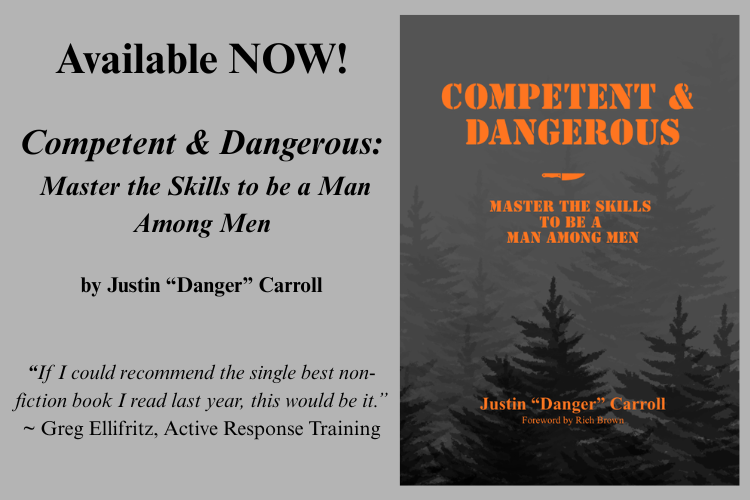
The class was held in Jacksonville, NC. First, it was cool to go back to Jacksonville. I remember driving into Jacksonville for the first time in January of 2004 to check into 2D Force Reconnaissance Company. Despite the enormous growth of Jacksonville, I was gratified to see that the stretch of Highway 24 from Interstate 40 to Richlands is virtually unchanged. Some nostalgia was definitely felt, recalling that first drive over two decades ago. I was excited to get there because I was able to stay with my friends Jeremy and Laura. Jeremy is a retired dog handler (mentioned by name in my book, Competent & Dangerous) and a mentor to me on the subject of training dogs. I had a great time catching up with him and his family.
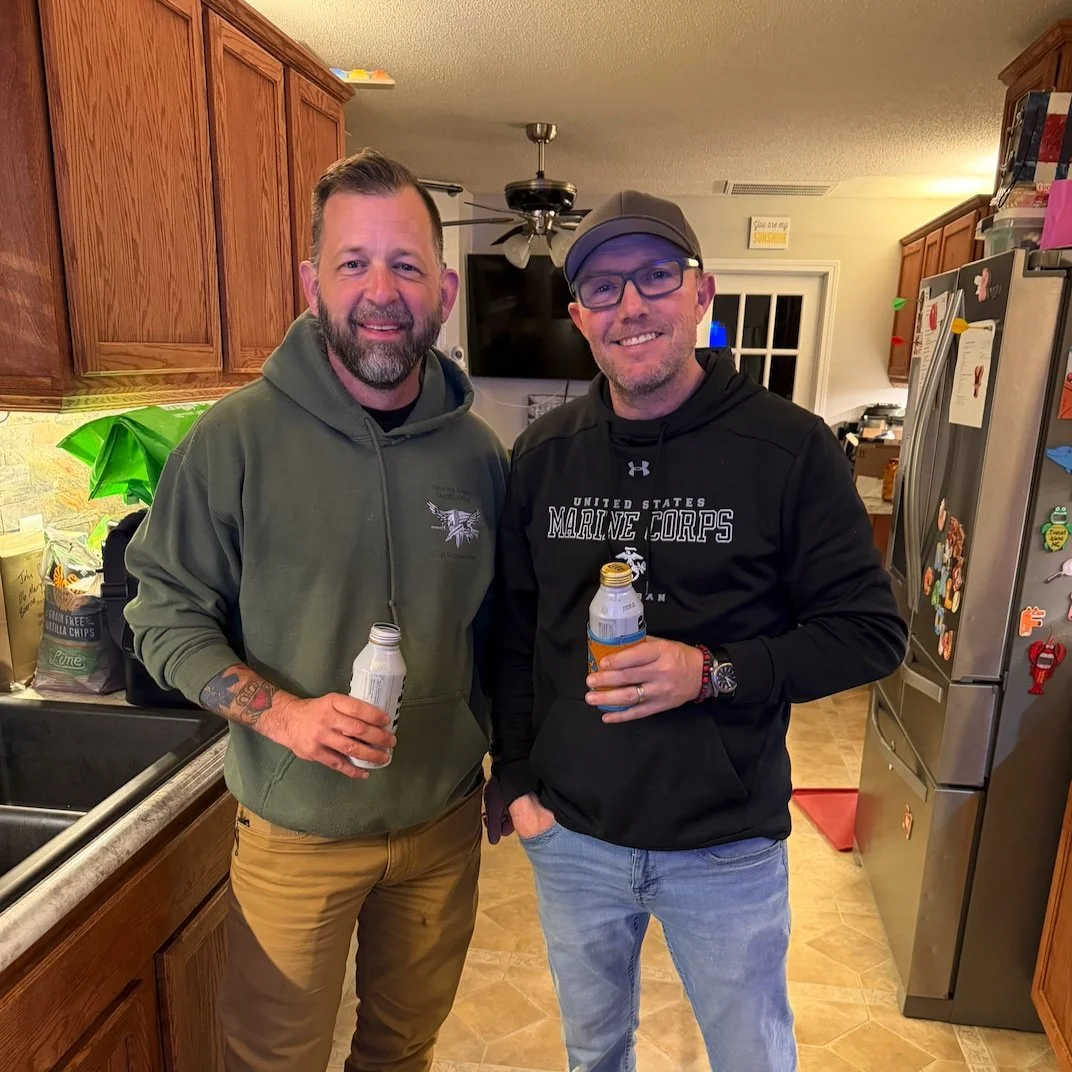
My good friend Jeremy was kind enough to put me up for a couple of nights.
The class began on Friday evening at Guerilla Armament on Lejeune Boulevard. I wish I had taken an overall picture of the store; it is absolutely incredibly. Every rifle, pistol, suppressor, flash hider, magazine, optic, holster, sling, or anything else you can think of is in stock here Even better, this was in the same building that used to house “TAG,” which sold all sorts of tactical gear. I dropped at least one E-5’s paycheck there on chest rigs, pouches, knives, and whatever else I thought would make my life easier in the field…sorry, reminiscing again. Anyhow, a huge “thank you!” to Guerilla Armament for hosting the class.
Dialed-In Training’s Intermediate Pistol: Day 0.5
The class convened at Guerilla Armament at 18:00 on a Friday. Just as the store closed, tables and stools were brought out and Justin began to teach. He wanted to spend some time in the classroom covering some concepts that would eat a lot of time and be difficult to teach on the range. I like to think of this session as an opportunity to learn Justin’s vocabulary. Justin has a very particular way of thinking about shooting concepts. Not only is it unique, but it also translates well into teachable chunks.
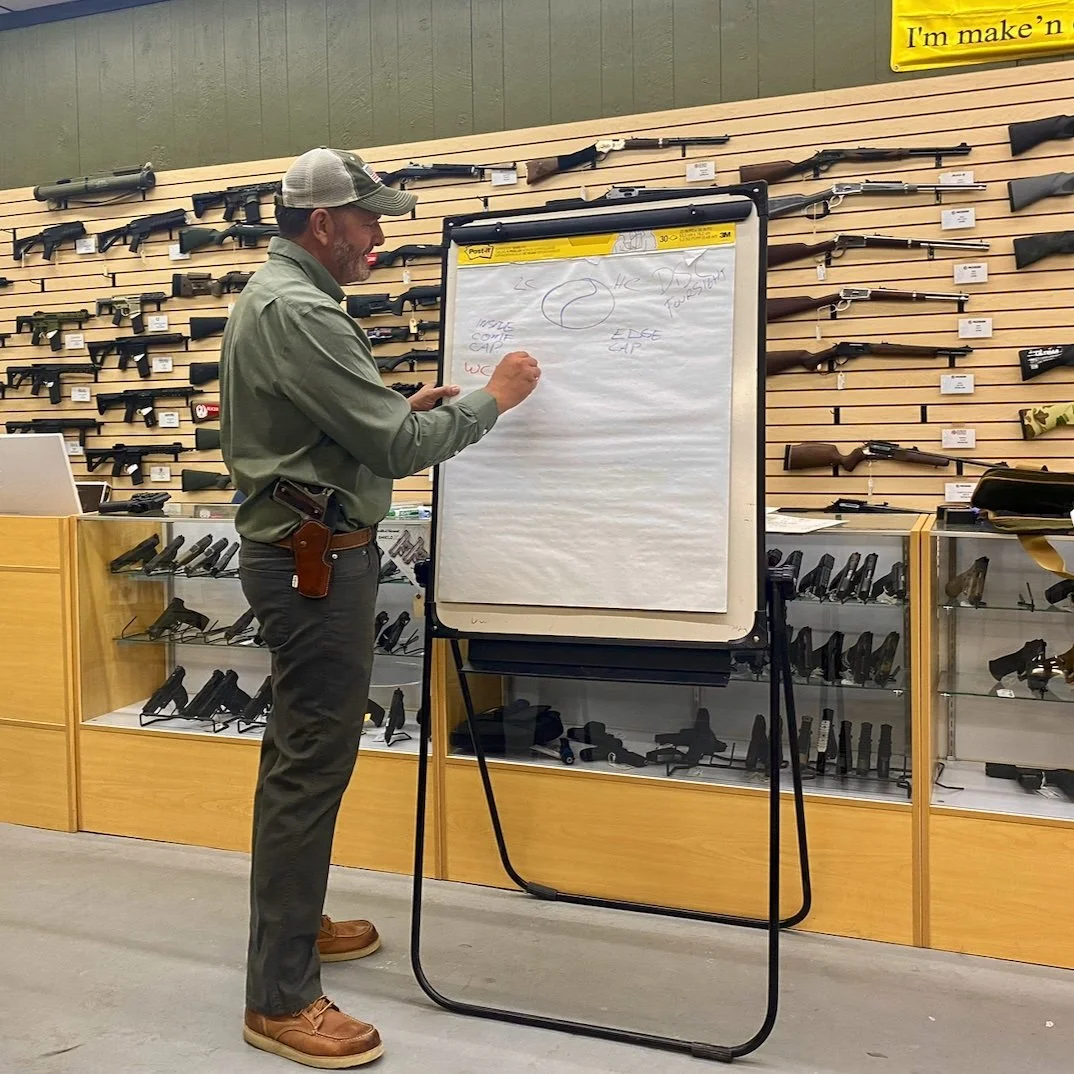
The hardest part about the classroom portion was paying attention with all these amazing guns in the background!
The instruction revolved around the differentiation between two types of shot: high-confirmation shots, and low-confirmation shots. For some shots, particularly those at great distance or those on a very small target, require a high degree of visual confirmation before pressing the trigger. Low-confirmation shots are those fast, easy shots we all know and love, like an A-Zone at five yards; they don’t require a highly refined sight picture to make.
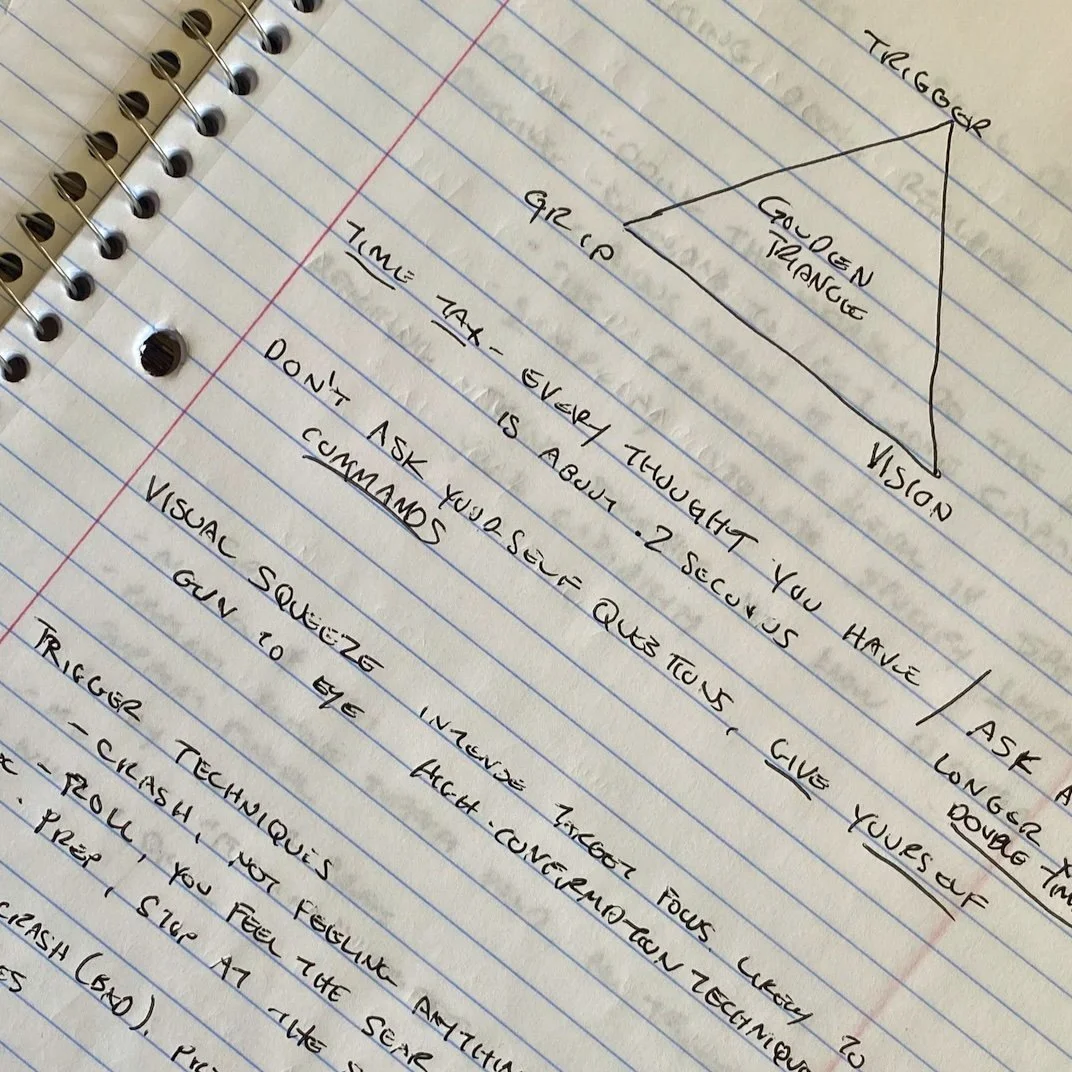
I’m not going to give away all of Justin’s curriculum here, even if it does change every class. However, I do want to address one important concept that became a recurring theme through the class: The Shooter’s Triangle. Three extremely important elements of any shot are trigger, grip, and vision. Some shots may require a focus on one to the exclusion of the others. This doesn’t mean you don’t have to do the others. They all matter! But you can let the subconscious drive the others while you focus on the most important one to you at that moment.
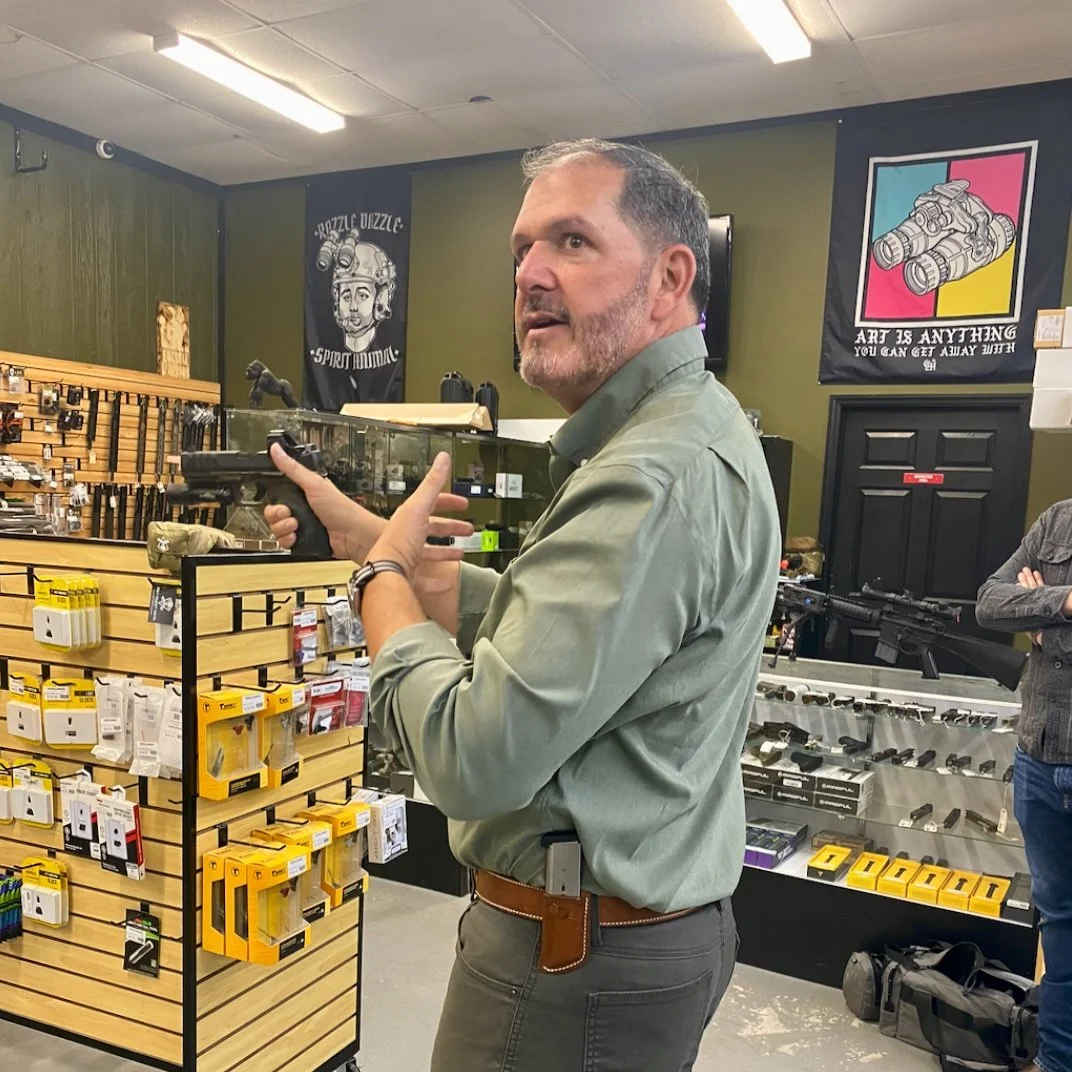
For example, on a small plate at 20 yards, vision might be the most important aspect. For putting five in the A-Zone at 7 yards as fast as possible, grip might be the most important factor to focus on. This sounds like a simplistic approach (at least as I explain it) but as we got into the shooting I found it incredibly helpful. That evening we spent some time dry practicing in the shop as Justin introduced a few new concepts. We cut out around 21:00 with instructions to meet on the range the following morning.
The Student Body
The students in this class were an amazing group. One of the best parts of going to classes like this is the people you meet…and meet again. It’s rare that I attend a class these days and don’t see someone I know. The class consisted of only six students. This small-group format was amazing, as Justin was able to spend time with each of us. By itself this is a rare phenomenon; even in some of the best classes I have ever attended the student to instructor ratio is much higher.
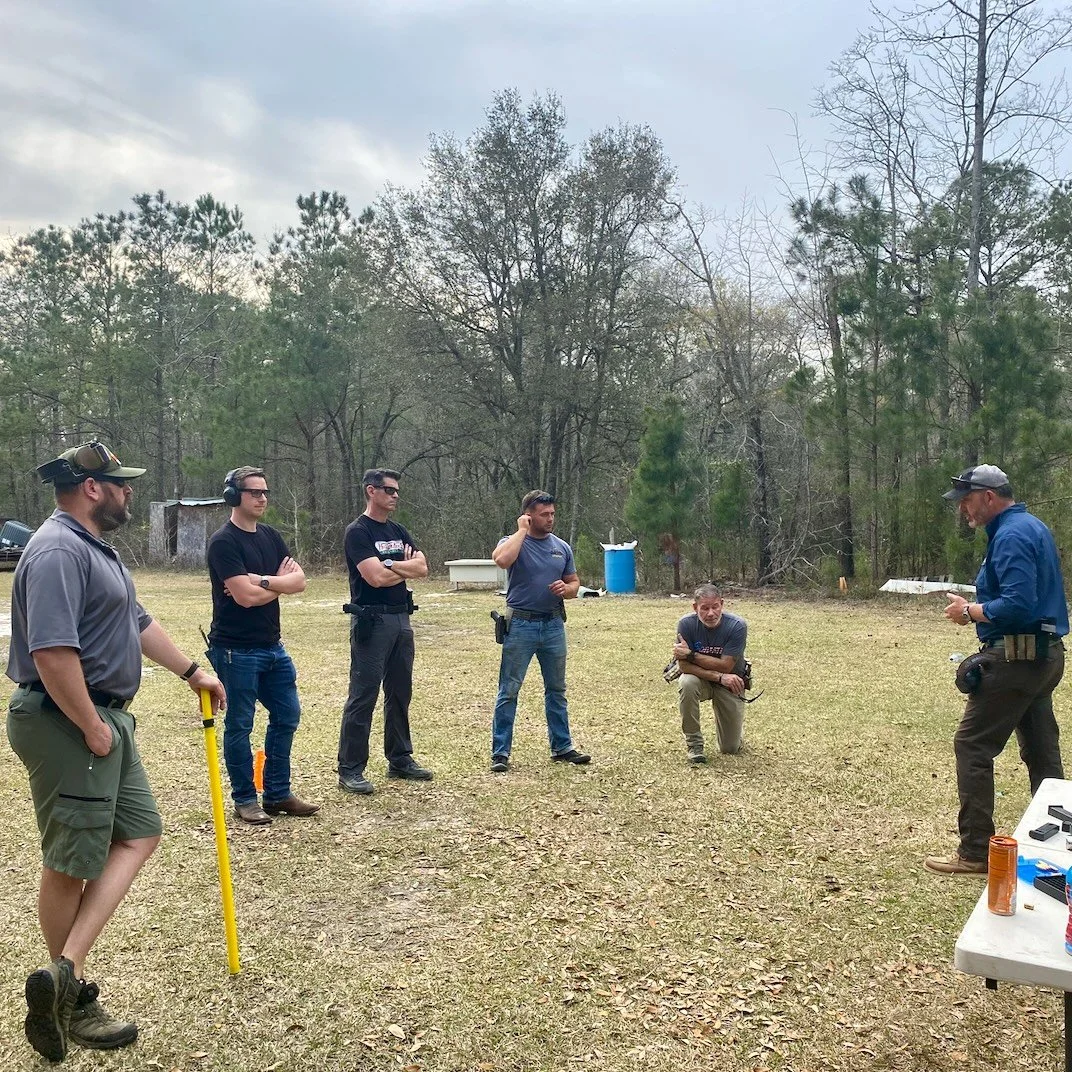
From left to right: Baker, Harrison, James, Austin, and Ben. Justin Dyal is at far right.
I rarely go through each and every student in an AAR, but this class felt special. Let’s go down the line and see who was in the class.
I was on the far left side of the line. To my right was James Williamson. James is the well-known Heckler & Koch representative, and he represented the company very well. An outstanding shooter, retired Marine officer, and HK true believer, James was a very cool line partner to have. Next up was Ben Bergamini. Ben traveled in with James, and both of these men had trained with Justin before. Ben works as an instructor with Haley Strategic, and like me, has a law enforcement and EMS background; unlike me, he has been doing both a lot longer.
Next up was Austin, a former Marine infantry officer who lives locally. Austin probably had the least amount of pistol training. Austin was shooting a brand new Glock 45 with factory plastic sights. This may sound like a criticism but it is not; Austin stayed in there, shooting at a very high level throughout the class. To his right was Harrison Jones, the owner of Harry’s Holsters. I was lucky enough to review one of his holsters almost ten years ago, and finally met him at Revolver Fest last October. It is fantastic to see people in the industry training to such a high level! Rounding out the line was Ryan Baker on the far right. Baker is a retired Marine infantryman. He is also a current Gunsite instructor; it’s hard to think of a stronger endorsement of a shooter than that.
This was a highly experienced and skilled group of shooters and it was a privilege to shoot with each of them.
Intermediate Handgun Day 1, Morning
I’m not going to go through the entire flow of the class. Because Justin’s classes evolve on such a fast cycle, it probably wouldn’t be worthwhile for a future attendee to read all the details about this class anyway. Day one on the range began with a safety brief and introductions. After that was out of the way, we wasted no time getting on the firing line.
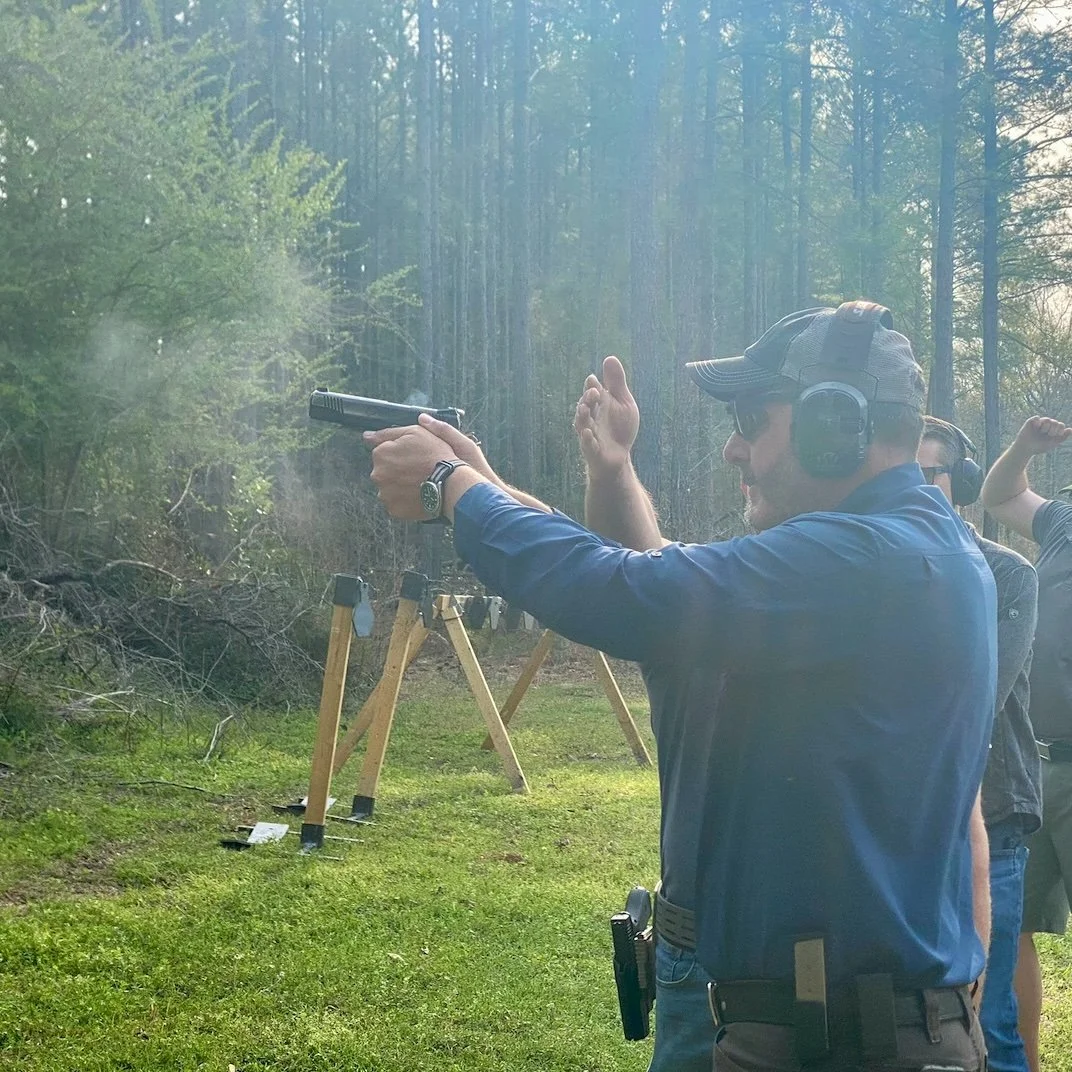
Justin demonstrating an occluded vision exercise.
As I mentioned earlier, the class was heavily focused around the Shooter’s Triangle of trigger, grip, and vision. Justin had a target that worked that exact set of skills, and we spent quite a bit of time on it. After that we endeavored to “live in the triangle” for the rest of the weekend. The morning was spent doing the hard work of high-confirmation shots; precision shot placement on small targets at distance.
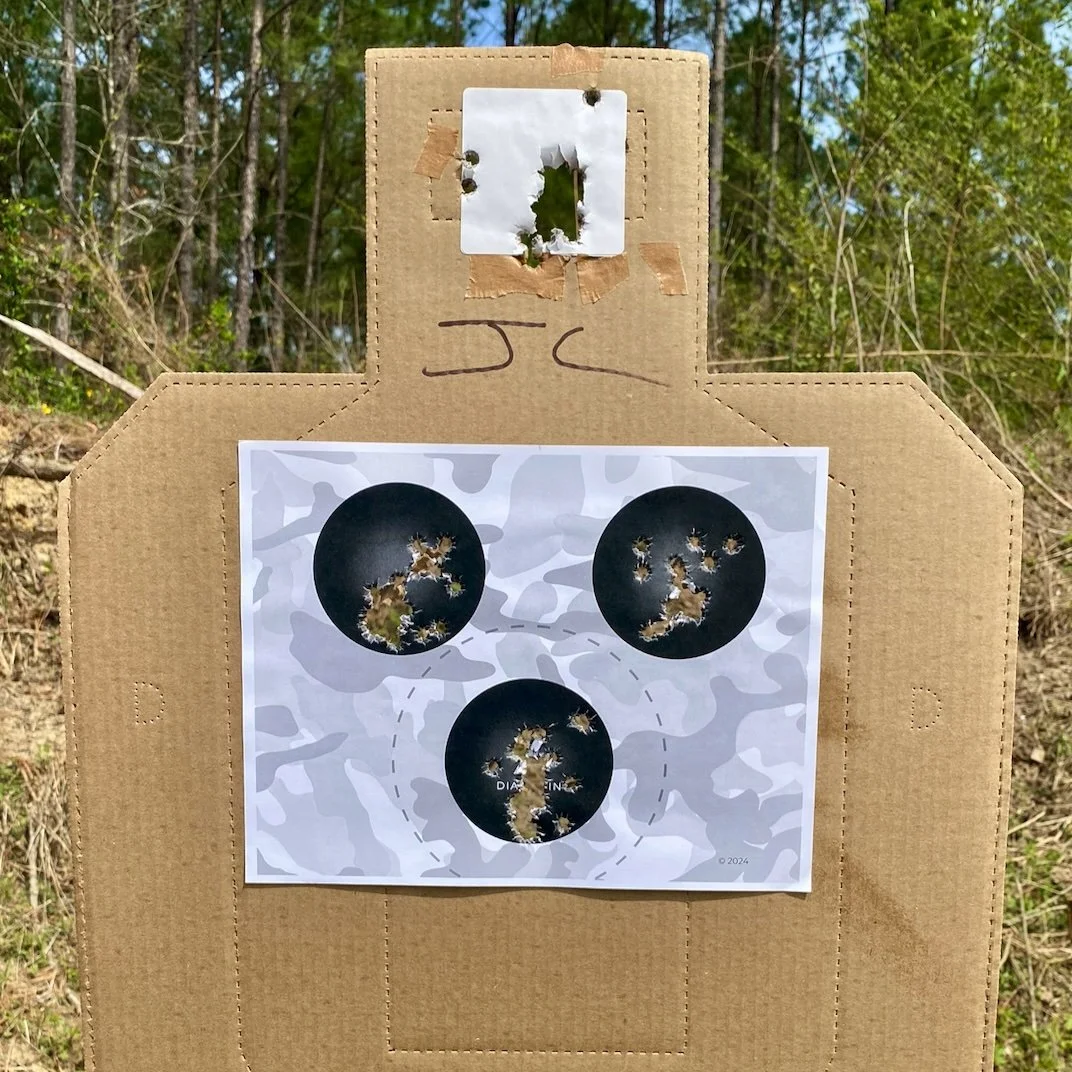
I will share one of the drills we fired on day one, as they may be useful for your own skill development. Take it to the range and work it! It is the Prep Time Drill, which I’m confident Justin won’t mind me sharing…because he’s already written about it in American Rifleman. There he describes it as a “challenging, low round-count, accuracy drill,” and I agree.
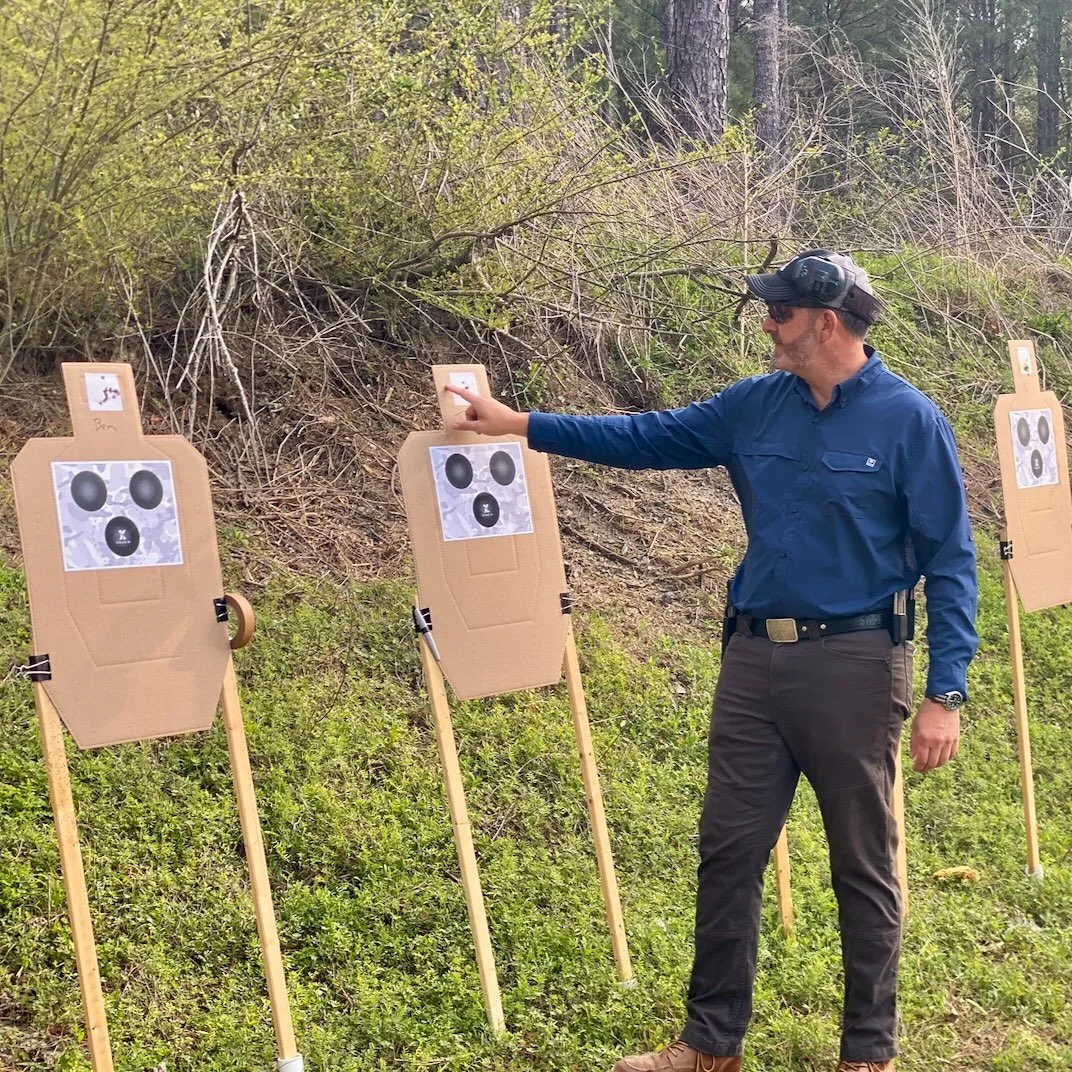
Justin demonstrated every skill and drill he expected us to perform, one mark of an excellent instructor.
Prep Time Drill
Distance: 10 yards
Target: 3-inch square, aka a “yellow sticky,” (or these 3-inch square stickers) preferably in the head of an IDPA or USPSA target
Course of Fire: Each stage below is fired twice for a total of 10 rounds.
- Aimed in, trigger prepped, 1 shot in 1 second
- Low ready, 1 shot in 2 seconds
- From the holster, 1 shot in 3 seconds
- From the holster, 2 shots in 4 seconds
This seemingly simple drill is quite challenging! We worked this a couple of times, including the more challenging “Prep Time +1” on the second day.
After that we broke for lunch. One thing I want to mention is that Justin was VERY focused on maintaining the flow and intensity of the day. Every time he sent us back to reload magazines he would remind us, “hurry, guys! Let’s keep this momentum!” I sincerely appreciated the focus and desire to get every possible second of training out of the class. To save time, lunch was held on the range.
Perhaps the coolest personal moment of the class was getting to shoot Justin’s 1911. In my introduction that morning I had mentioned being trained by men like John “Ranger” Daily (author of Tough, Rugged Bastards, btw), Eden Pearl, and many others at Special Operations Training Group. At this point Justin mentioned that the pistol he was carrying was previously owned by a man who trained many of them, the late Pat Rogers. In a full-circle moment, I fired 7+1 out of this old Detachment 1 gun. I’m not sure I can express the level of emotional impact that had on me.
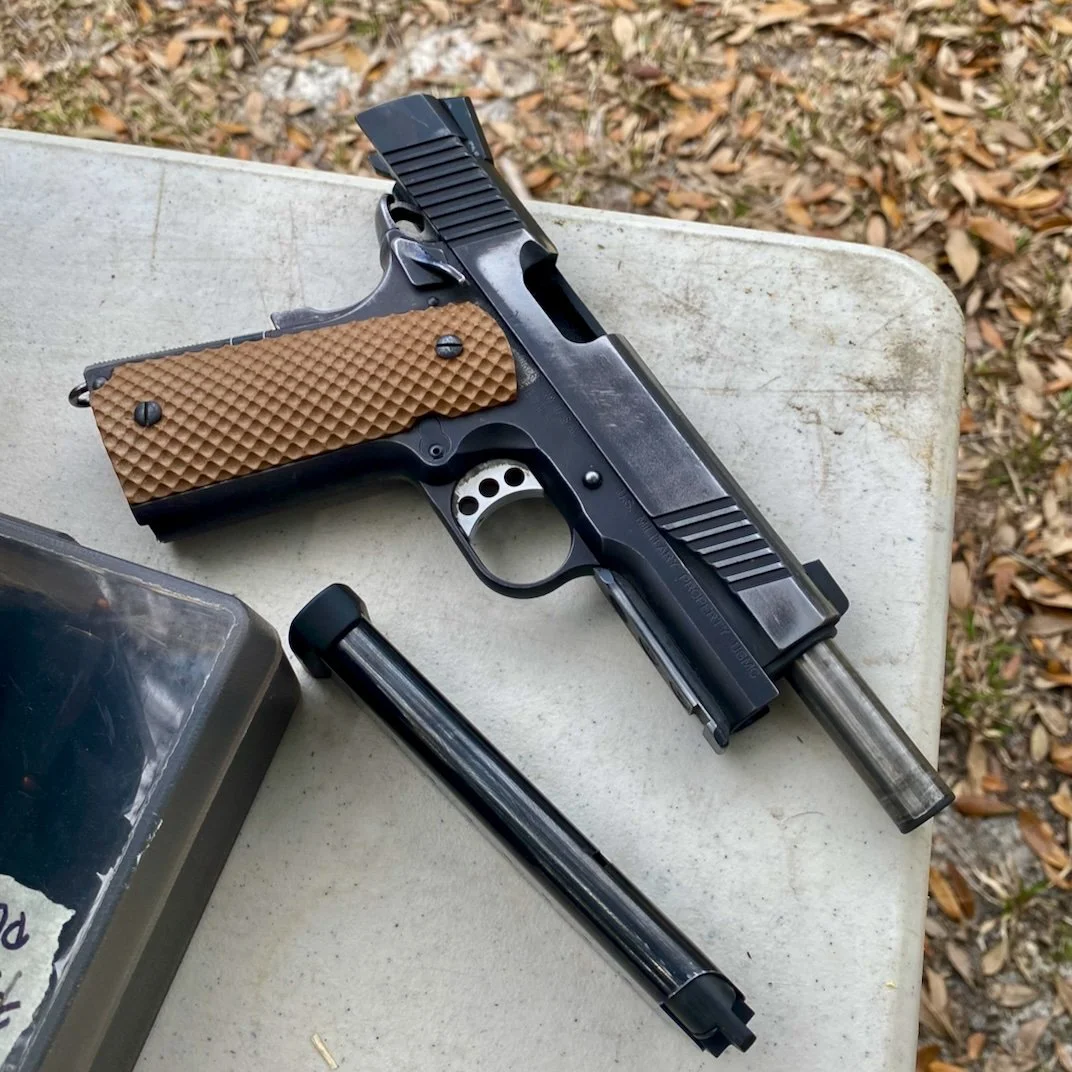
The serial number is partially obscured for Justin’s privacy, but this is a true Detachment 1 pistol. Judging by the wear on the slide it has seen tens of thousands of rounds.
Intermediate Handgun Day 1, Afternoon
We jumped back in with both feet after lunch. This time we dove into low-confirmation shots. Low-confirmation doesn’t mean speed at the expense of accuracy. It still means making your hits, but without over-confirming the gun is where you want it to be when you break the shot. As expected, we fired a number of drills that demonstrated and reinforced the concepts that Justin was trying to get across to us. After each stage, he asked for shooters’ thoughts and observations.
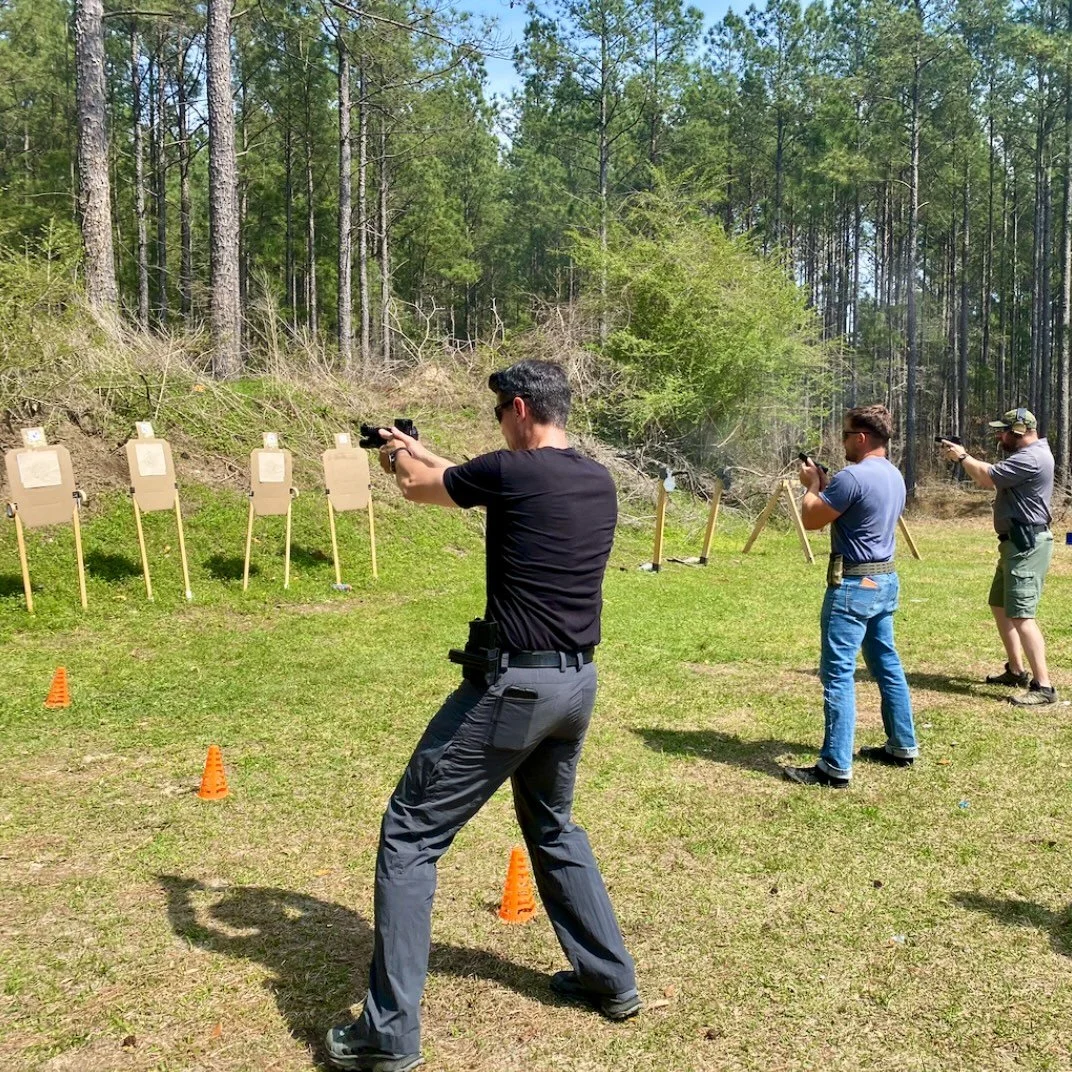
One of the most personally valuable portions of the afternoon was Justin’s take on Strong Hand Only (SHO) shooting. According to him there are five fundamentals of a successful SHO skillset. I’m not going to steal these here, but I will mention one. The one that helped me the most was when he told us to, “put the bend of your elbow to the sky.” This was exactly the way I needed to hear this to internalize it. While I practice SHO quite a bit, this immediately made my shots more accurate and my followups faster.
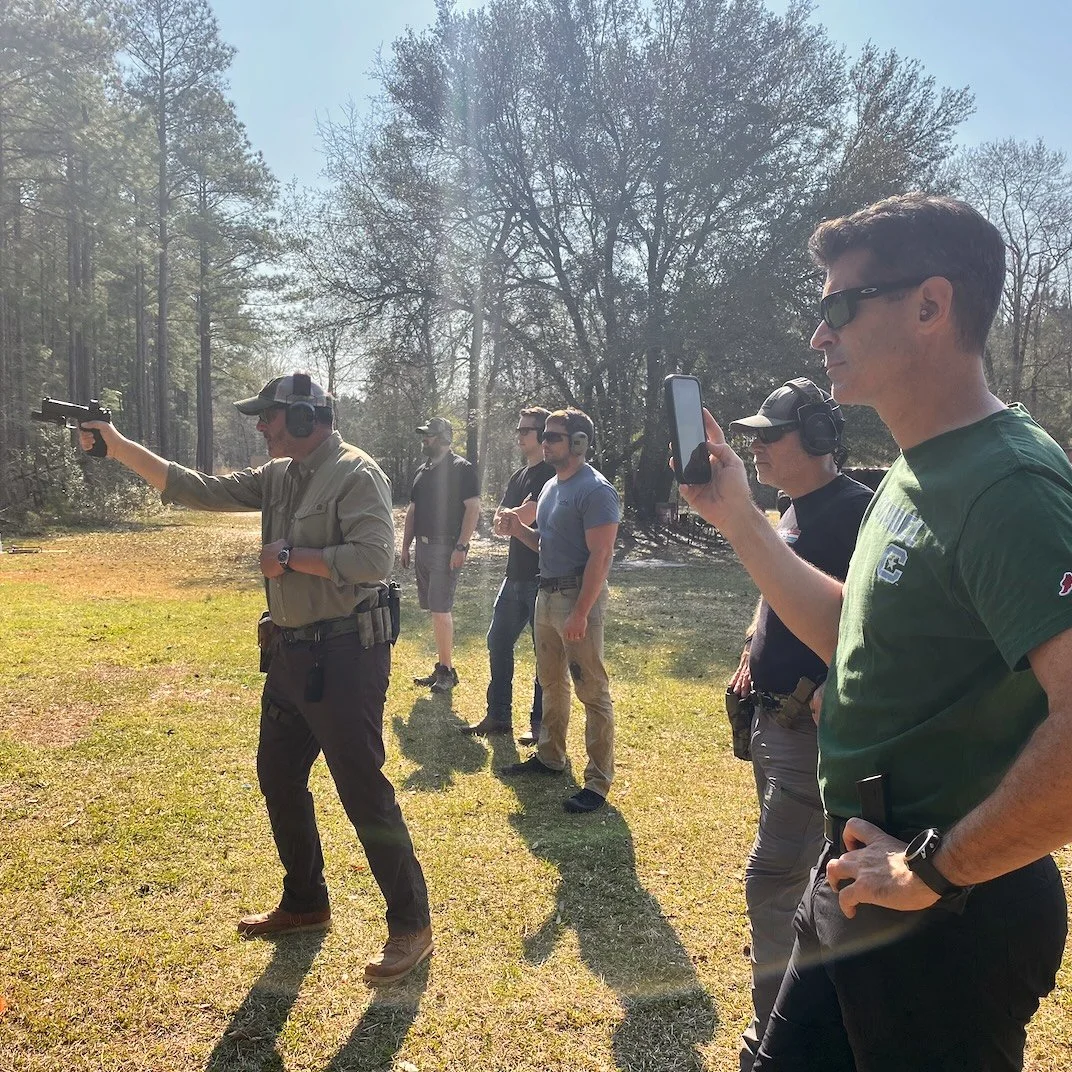
I’ll also briefly mention Justin’s philosophy on SHO: “if it’s worth doing, it’s worth doing strong hand only.” The point is that strong hand skills are important. You may find yourself depending on them one day; it’s worth it to practice and solidify them.
The Criminal Drill & The Table of Doom
Justin Dyal is known for creative ways of reinforcing concepts. I hate to bring up old shit, but he caused quite a stir on the internet with a drill he had students do that involved tomahawks. You can read a bit about it here. I was very curious what Justin had up his sleeve for this class. He didn’t give it a name, but I’m going to call it “the criminal drill.”
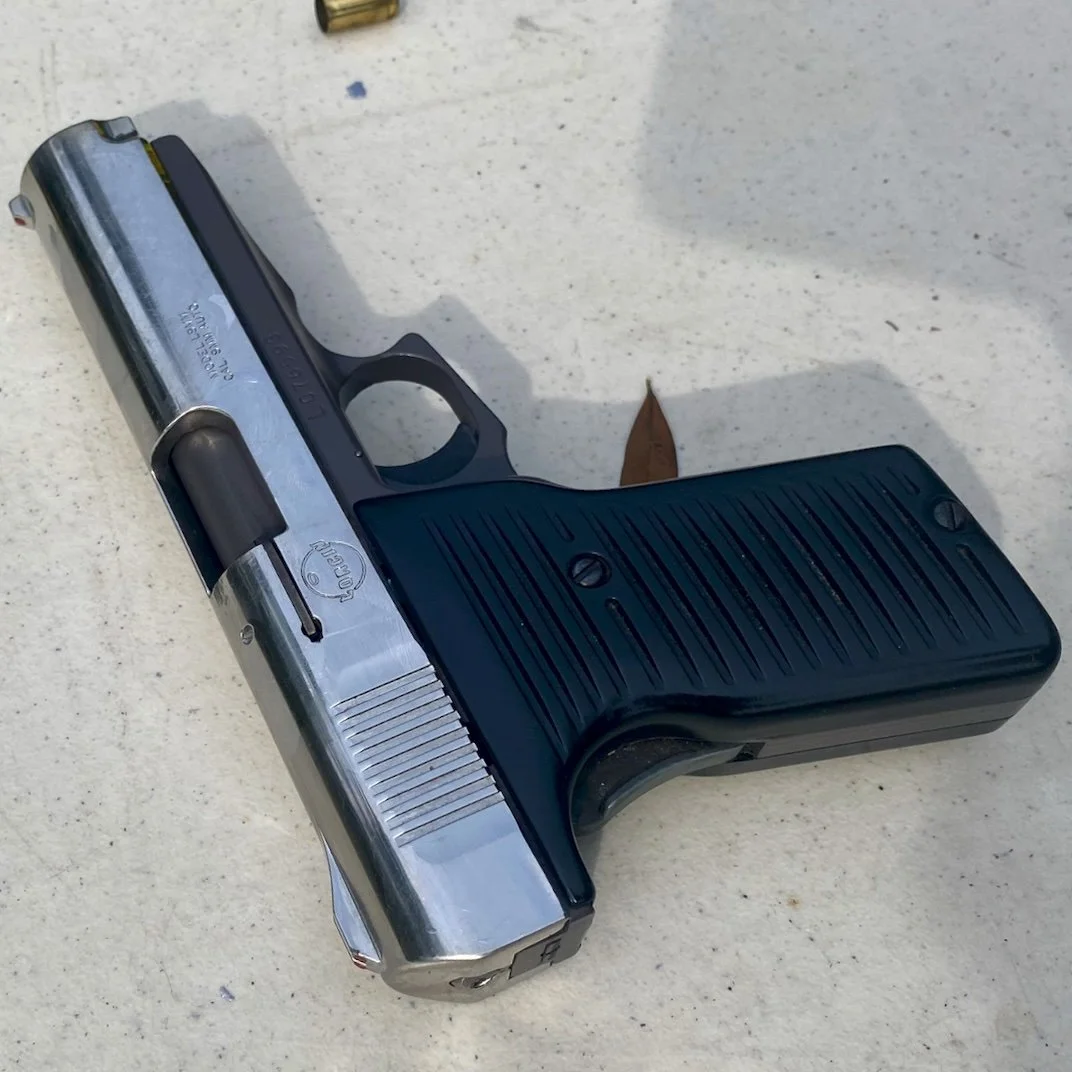
One of the most uncomfortable guns I’ve ever shot. On the plus side, out of 50 or so rounds it only malfunctioned about a dozen times!
Here’s the concept: criminals often carry crap guns, and criminals don’t have high levels of shooting skill. So, Justin equipped one shooter with a P.O.S. (a chrome, pot-metal, Lorcin 9mm) to simulate the criminal’s gun. To simulate the criminal’s level of skill, he made the “bad guy” in each scenario shoot weak-hand only. The reasoning is that, “shooters of your skill level can probably shoot as well with your weak hand as most criminals can with both hands.”
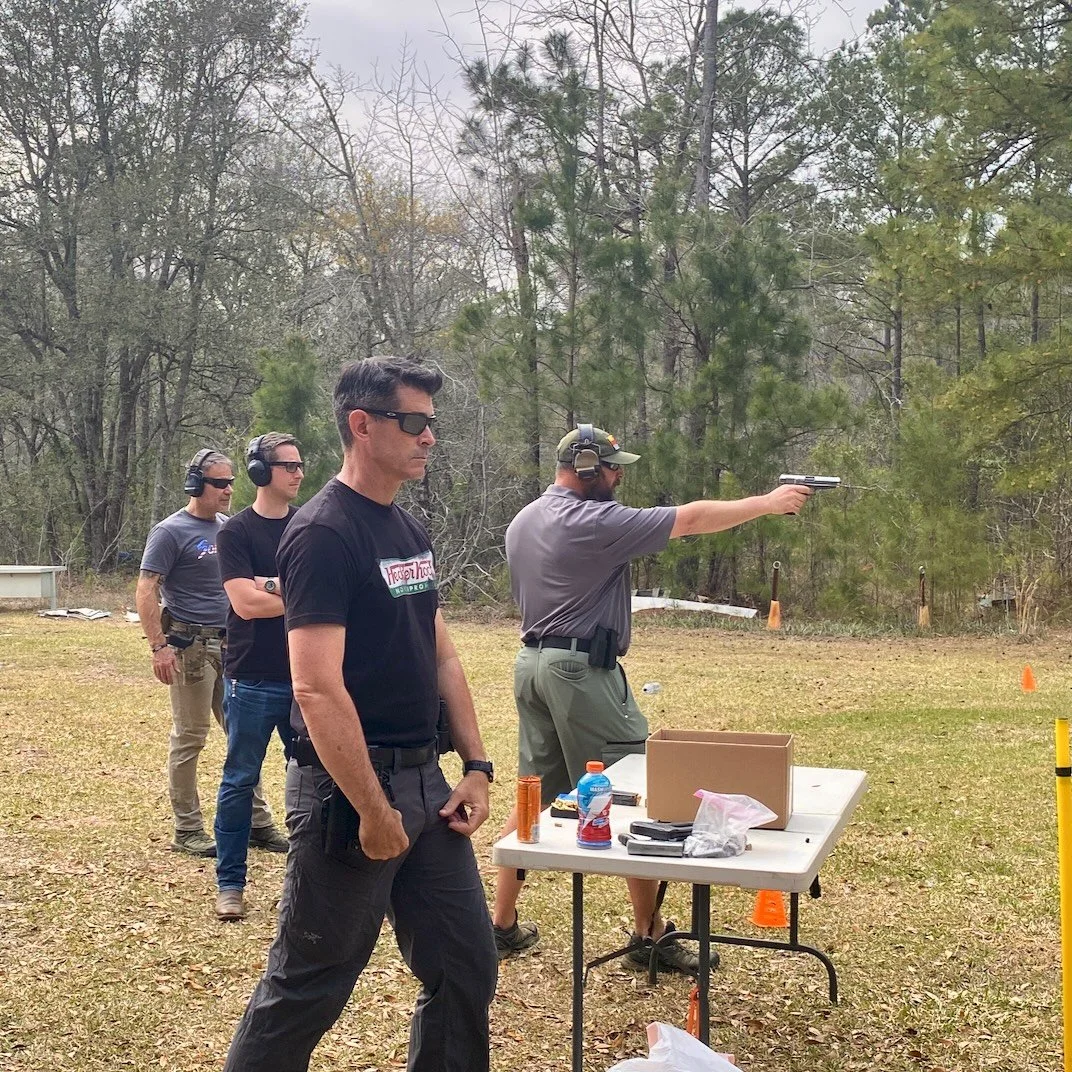
Baker is the bad guy, taking on James as the good guy.
The drill began when the bad guy fired the first shot. Both the bad guy and the good guy had to shoot an identical set of targets: a reduced size silhouette and a stop plate, but as in life, the bad guy decides when the fight begins…and the good guy reacts. On the bad guy’s first shot, whether hit or miss, the good guy draws, hits the silhouette twice, transitions, and hits the stop plate. Whoever hits the stop plate first wins. Sometimes it was the good guy, and sometimes it was the bad guy.
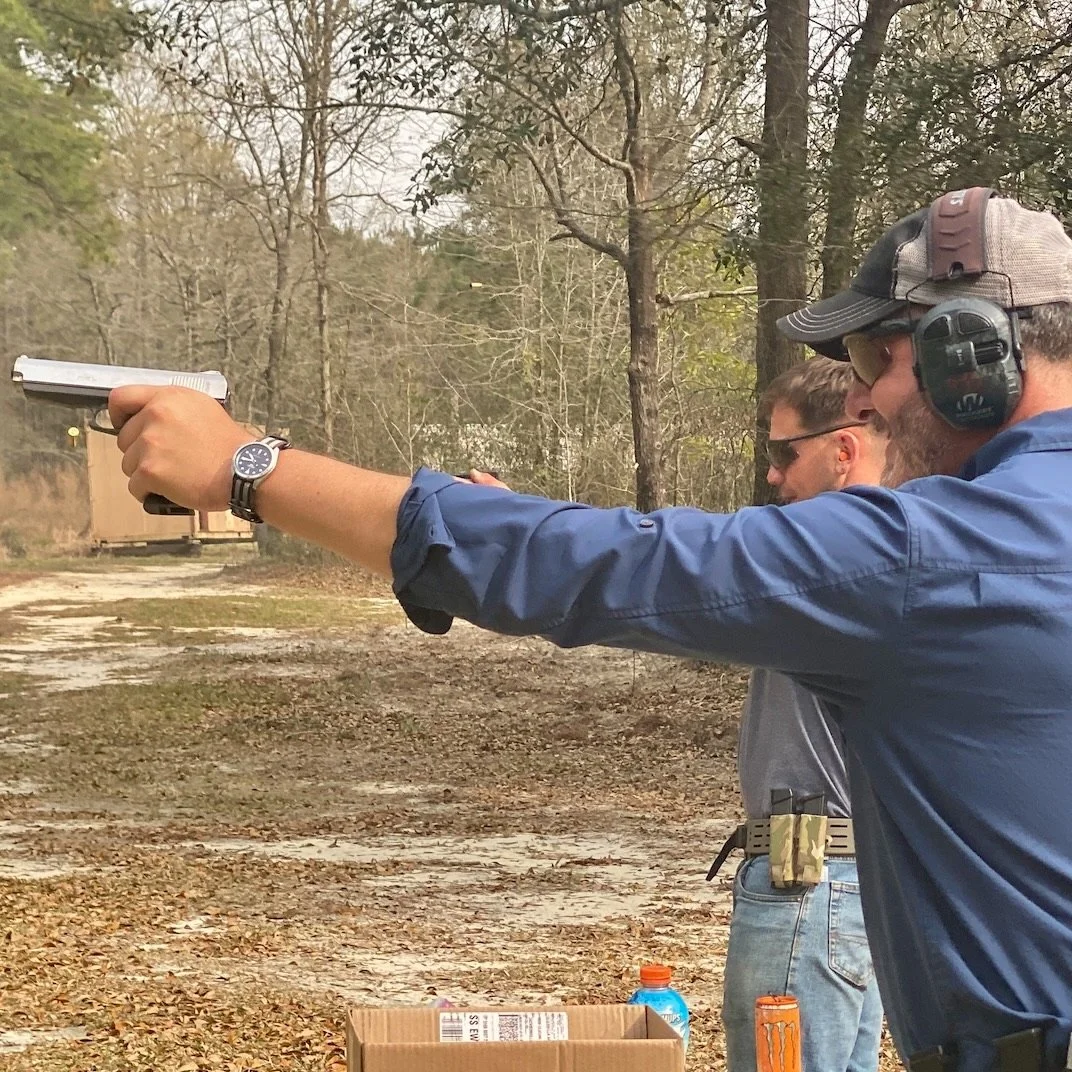
Justin goes head to head with Austin.
After the criminal drill we did “the table of doom.” Each student loaded up his gun and laid it on the table. Then every other shooter went through and fired two rounds at an 6-inch plate at 20 yards. Side note: a six-inch plate at 20 scales perfectly to the 3-inch sticker at 10 that we shot on all morning. I hit every single shot save one, the first shot with the OEM-sighted Glock. Almost a clean run, but not quite!
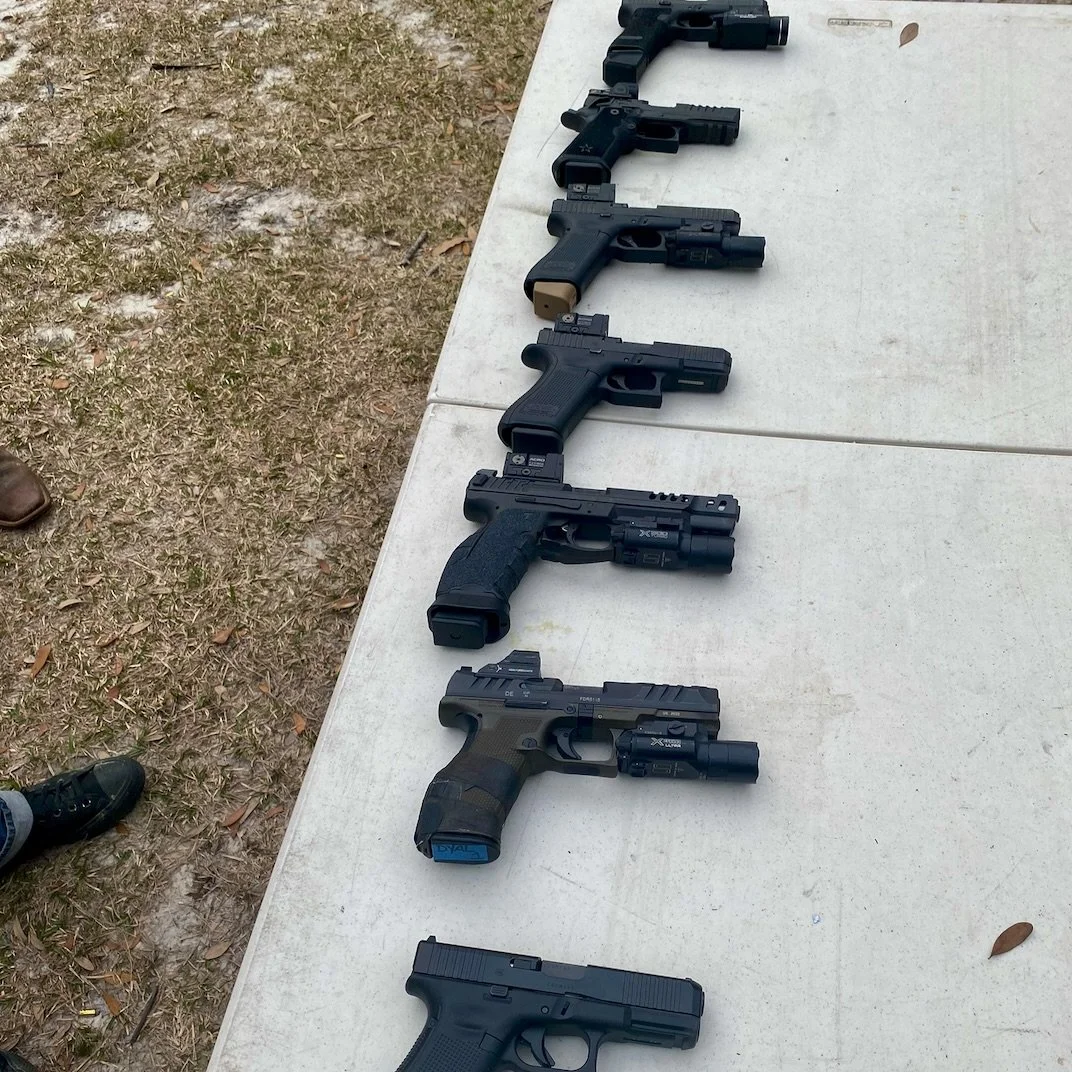
Top to bottom: my slightly modified duty Glock 45, Harrison’s Staccato HD, Ben’s Glock 17, Ryan’s Glock 45, James’ VP9, Justins Walther PDP, and Austin’s Glock 45.
Intermediate Handgun Day 2, Morning
On Sunday morning we reconvened at the range. The day began with Justin’s patented basketball warm up. We tossed a basketball around the circle, just to awaken our vestibular systems and restore some hand/eye coordination after having slept.
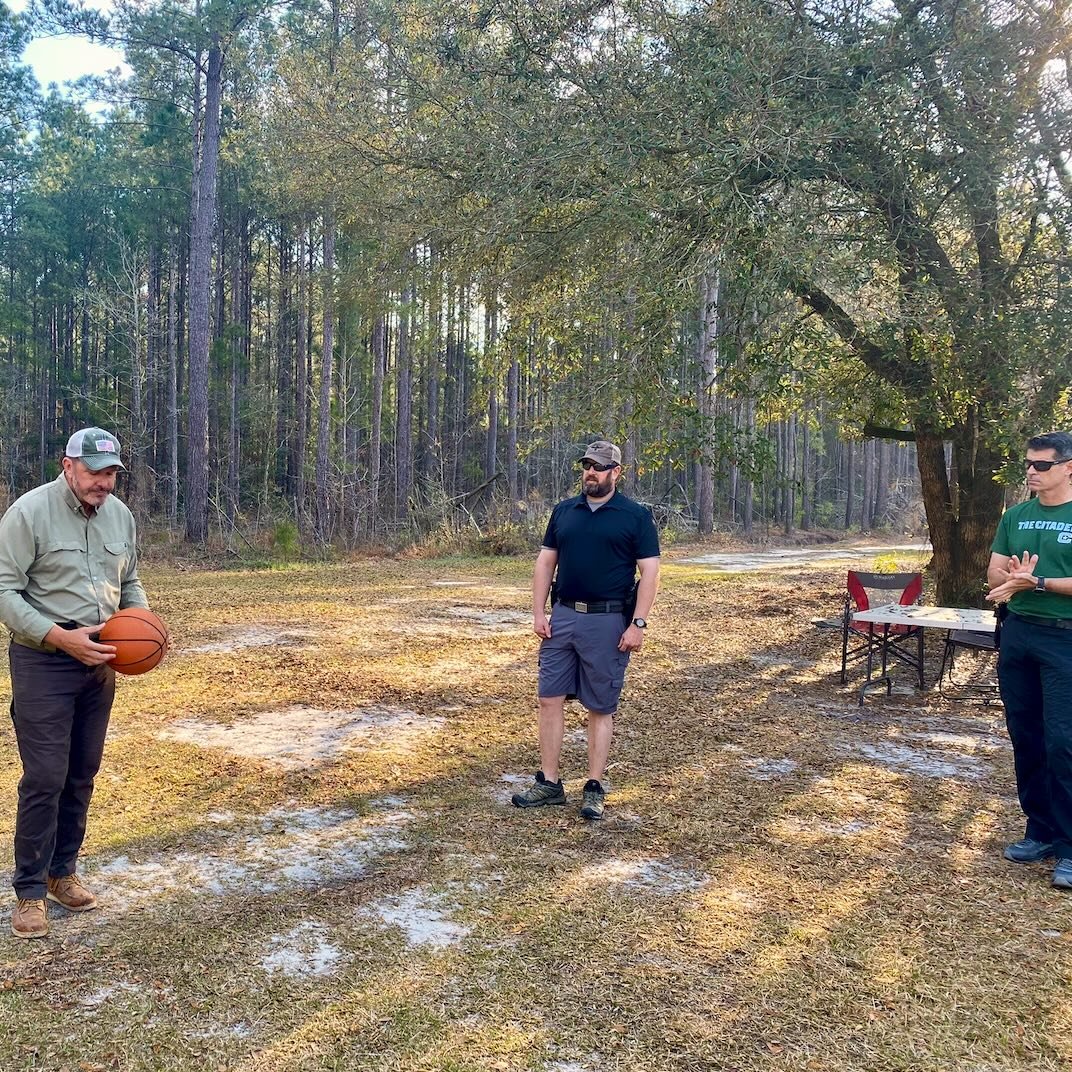
Next, Justin gave us a few minutes to step onto the line and do some self-guided shooting to warm up and work on what we needed to work on. After that we got busy with some more high-confirmation shooting. After a few drills, we paired up for some partner-coaching exercises. This wasn’t an instructor class and the point wasn’t to help us become better coaches. Rather, we asked questions of the shooter from a provided list. This helped the shooter think through the shot and self-critique/diagnose.
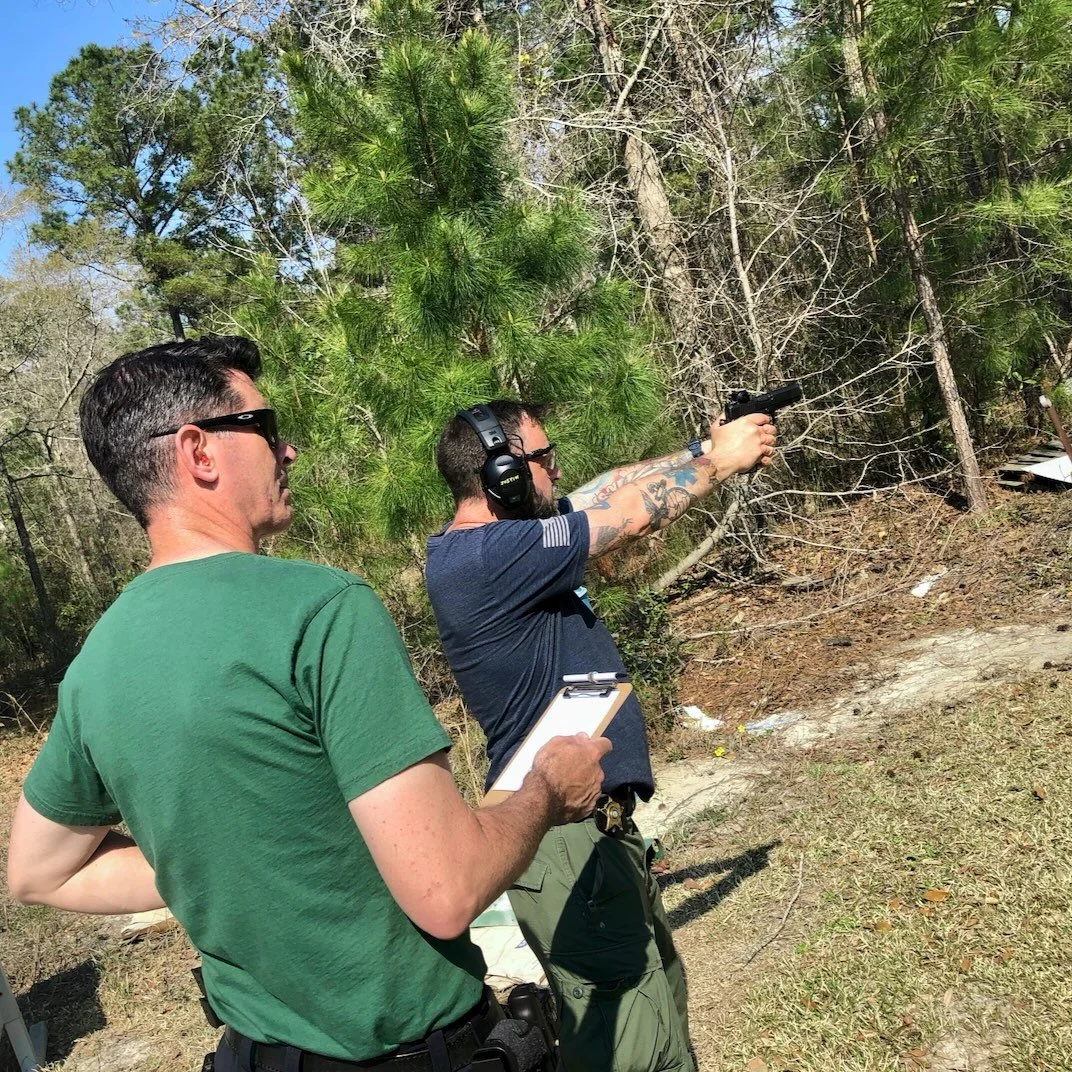
The morning went by much too quickly. Unfortunately, due to a death in the family, I had to leave before the afternoon session. I have no doubt that it was just as impactful as the previous portions of the class, however.
The Slow Clap
On thing you should know about Justin’s classes is that if you clean a drill, you may be the recipient of a slow clap. “I don’t give out doo-dads. Instead, you get a slow clap!” Somehow I managed to pull off some pretty good performances, and received several of these. Justin is just as skilled in coaching shooters through a slow clap as he is at teaching them to shoot, as shown below.
The tax for a slow clap, however, is telling the class what made you successful on the drill. This forces you to examine your own performance, and to provide useful feedback to the group. Not only does this provide a little levity, but learning points, as well.
Final Thoughts on Dialed-In Training’s Intermediate Pistol
First, this is not a beginner pistol class, as should be apparent by the skills and abilities of the students in the class. As such, Justin didn’t walk around correcting hand placement, or changing shooters’ stances, or anything like that. It was clear that the shooters here had strongly developed, refined techniques. Justin met shooters where they were in this regard. Instead of trying to make each shooter’s stance/hands/etc. look like his, he focused on making their results look like his. And this shows; I don’t think a single student would disagree with me when I say we all improved as a result of this class.
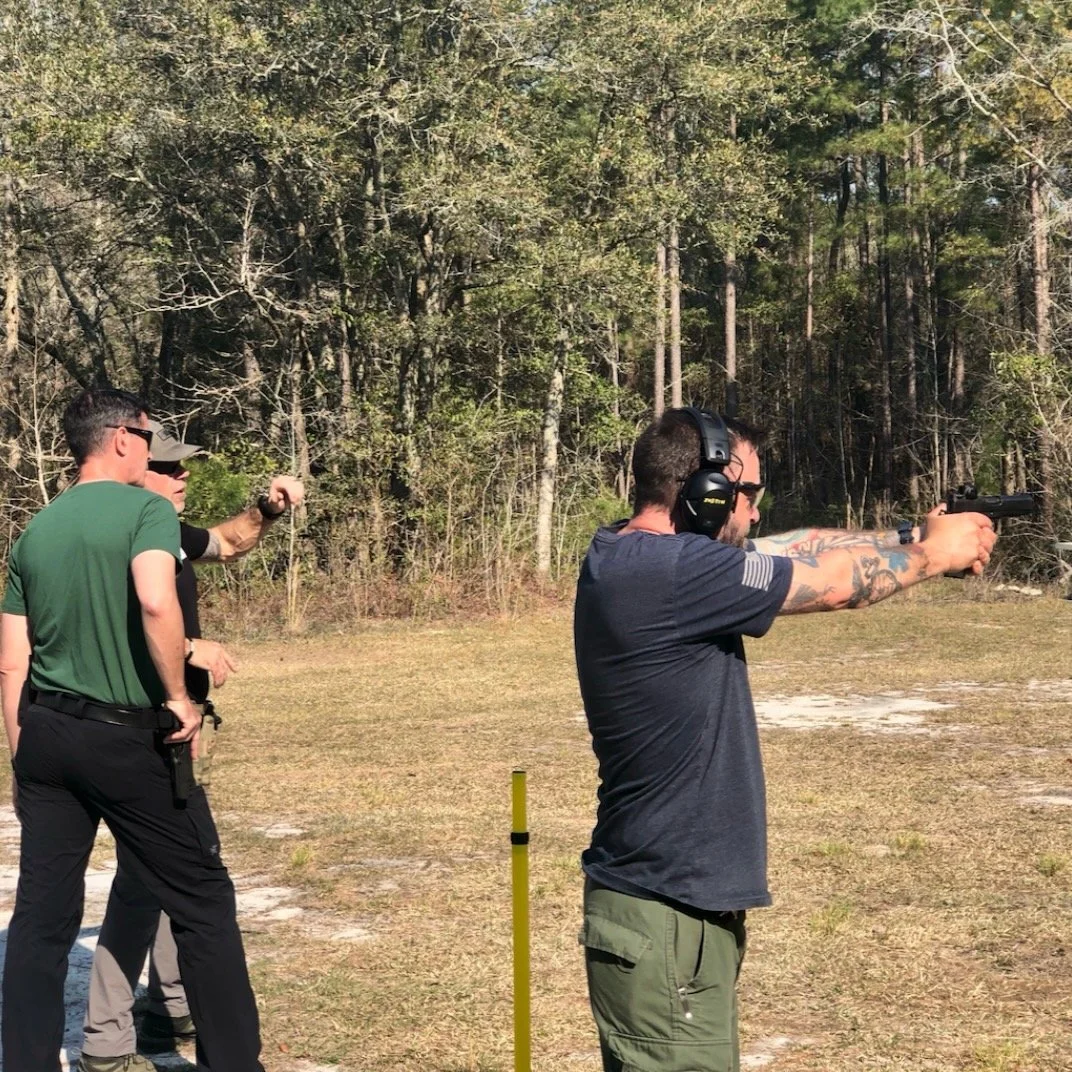
Six-inch plates at 40 yards. Not your average target/distance ratio!
Secondly, this is a very cerebral class. Though it is called “intermediate,” this is probably actually a class for advanced level shooters. The skills taught (grip, trigger, vision) aren’t very impressive on their face, but mastering them is both a cognitive and physical skillset. As another instructor I trained with years ago pointed out, the difference between a good shooter and a great shooter is “brilliance in the basics.” Having a facilitator like Justin to help us re-imagine some of these basic skills in the pursuit of mastery was absolutely invaluable.
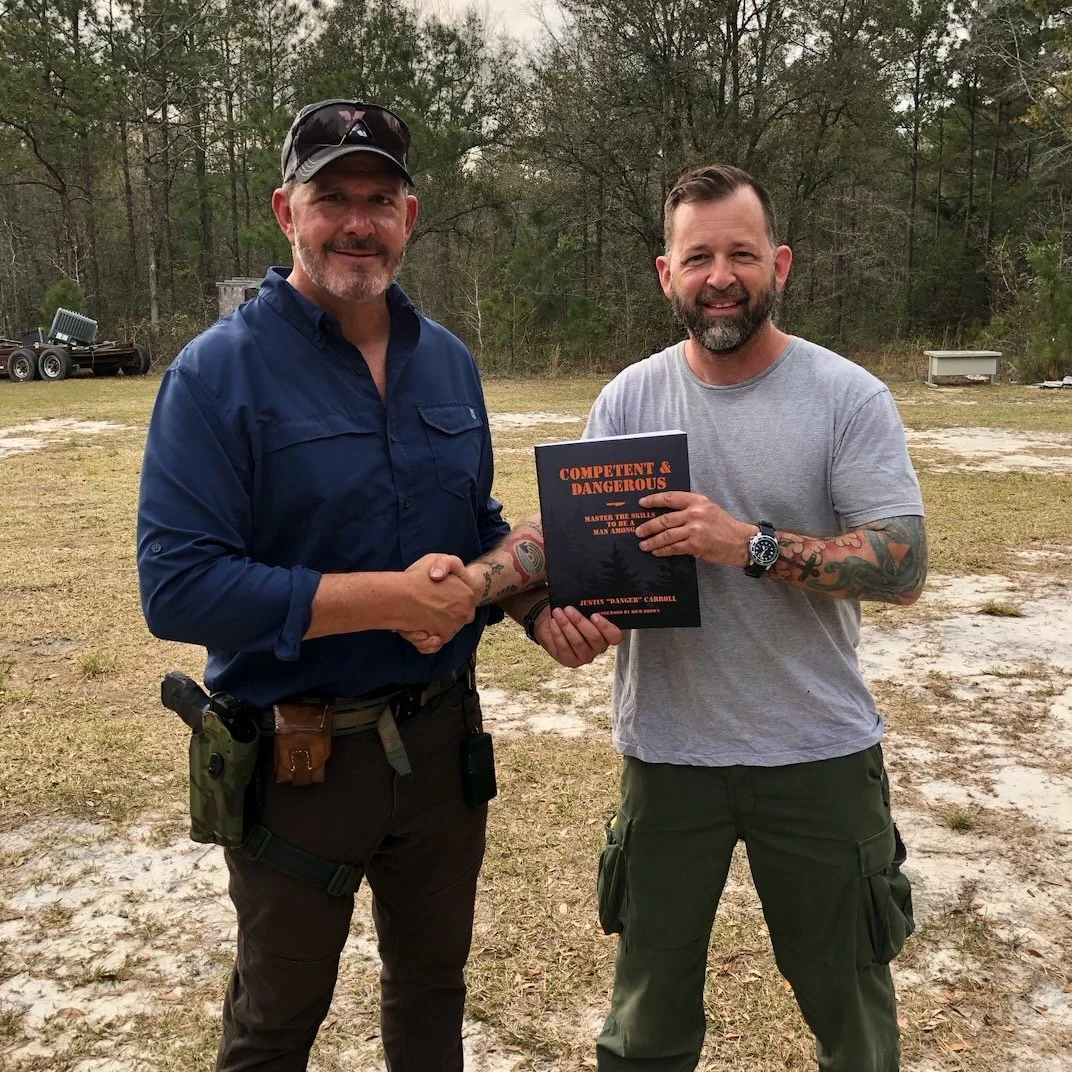
It was a tremendous honor to be able to present Justin with a copy of my book.
Justin’s classes are few and far between. If you have the opportunity to take one, jump at the chance. Regardless of how well-developed your skills are as a shooter, you will have something to learn.