Nighthawk IOS System Review: BEST 1911 Optic Cut
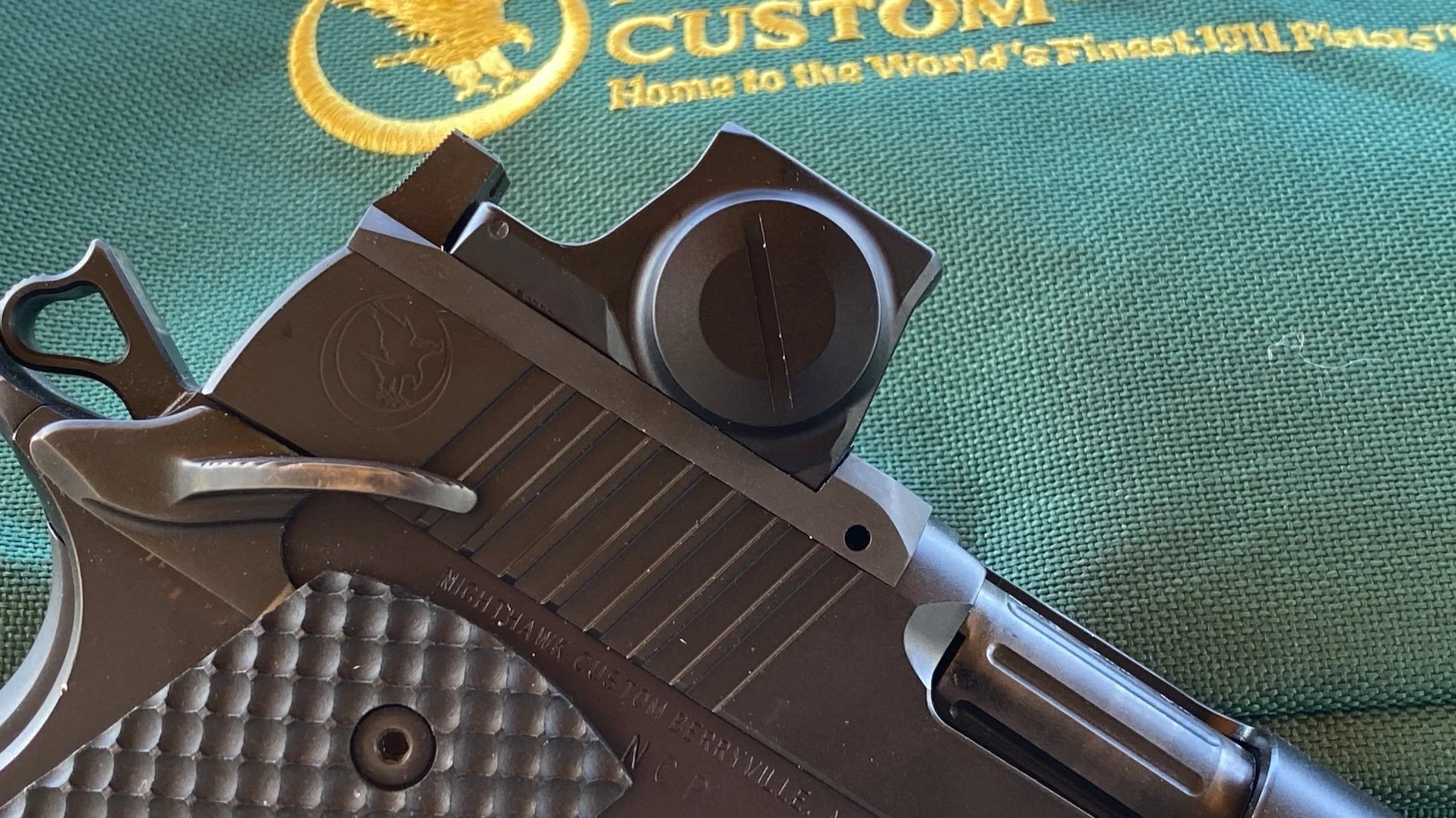
I was not an early adopter of pistol-mounted optics. The older I get, the more benefit I see, however. My vision is still pretty good. Still, I find it frustratingly difficult to shoot as well with irons as I did just a few years ago. After working with the Sig P365/EPS Carry at a five-day Tom Givens class, I'm sold. Last year I sent my EDC 1911 back to the Nighthawk mothership to have the Nighthawk IOS System installed. I have been carrying it for ten months and have some thoughts.
Disclaimer: I paid out-of-pocket for my Nighthawk IOS system installation. I received no financial incentive whatsoever for this review. This article contains Amazon affiliate links. Using these links gives us a small commission but costs you nothing. Please consider using our Amazon link to support this blog.

Nighthawk IOS System: How It Works
I was initially told about the IOS system by my friend Simon Golob. He casually said something like, "if you get another Nighthawk, make sure it has the IOS. It's the best optic system out there." At the time I was still living firmly under the iron sights rock, but I filed it away. A little bit later when I decided to go all-in, I recalled this information. After doing some research I came to the conclusion that Simon was probably right - nothing else is really even comparable.
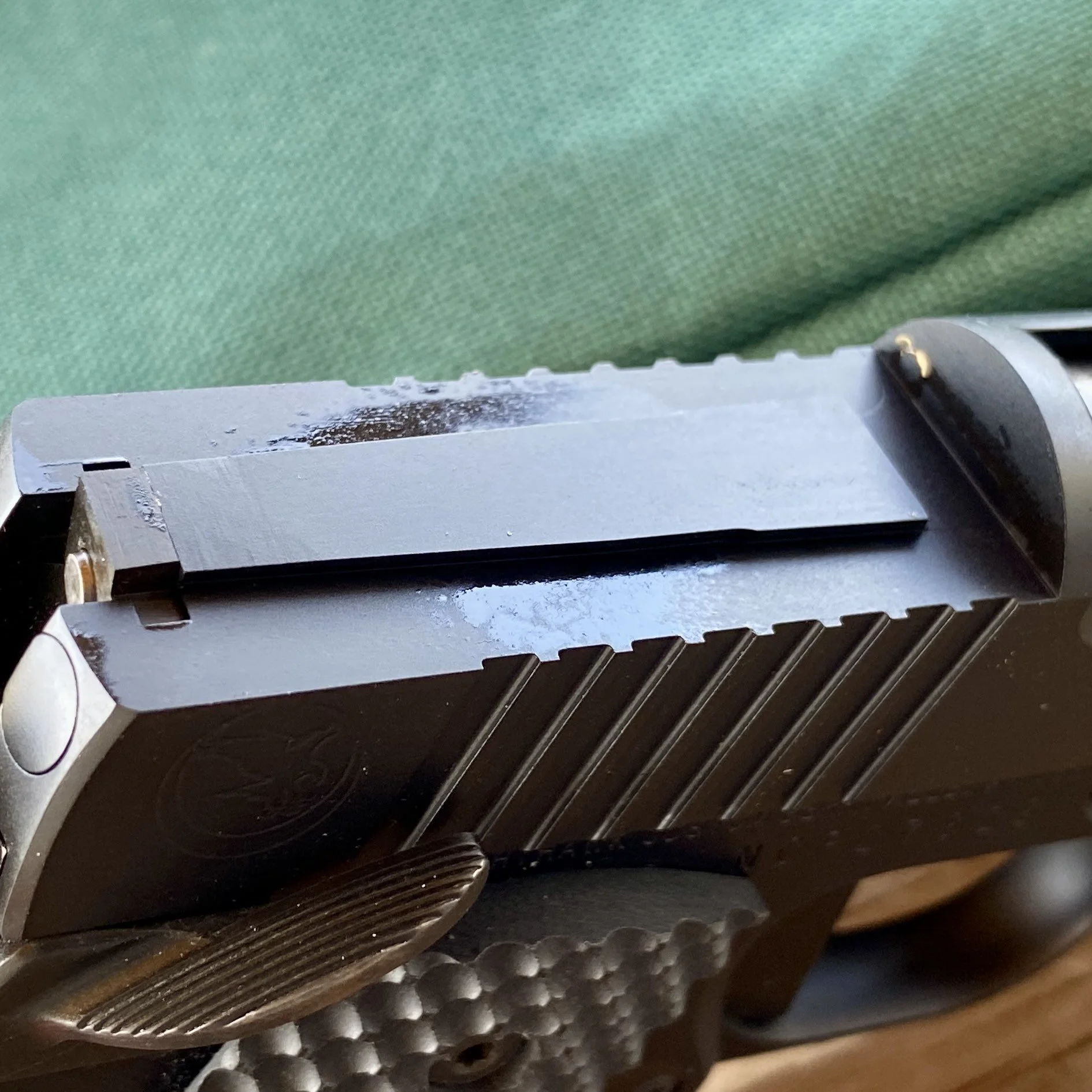
The IOS system takes advantage of the large amount of metal on the back of a 1911 slide. The deep top of rear portion of the slide can be cut into to allow a deep-sitting optic. There is also room to machine a massive dovetail that the optic plate slides onto. This dovetail is tapered, which ensures an extremely tight fit between it and the optics plate.
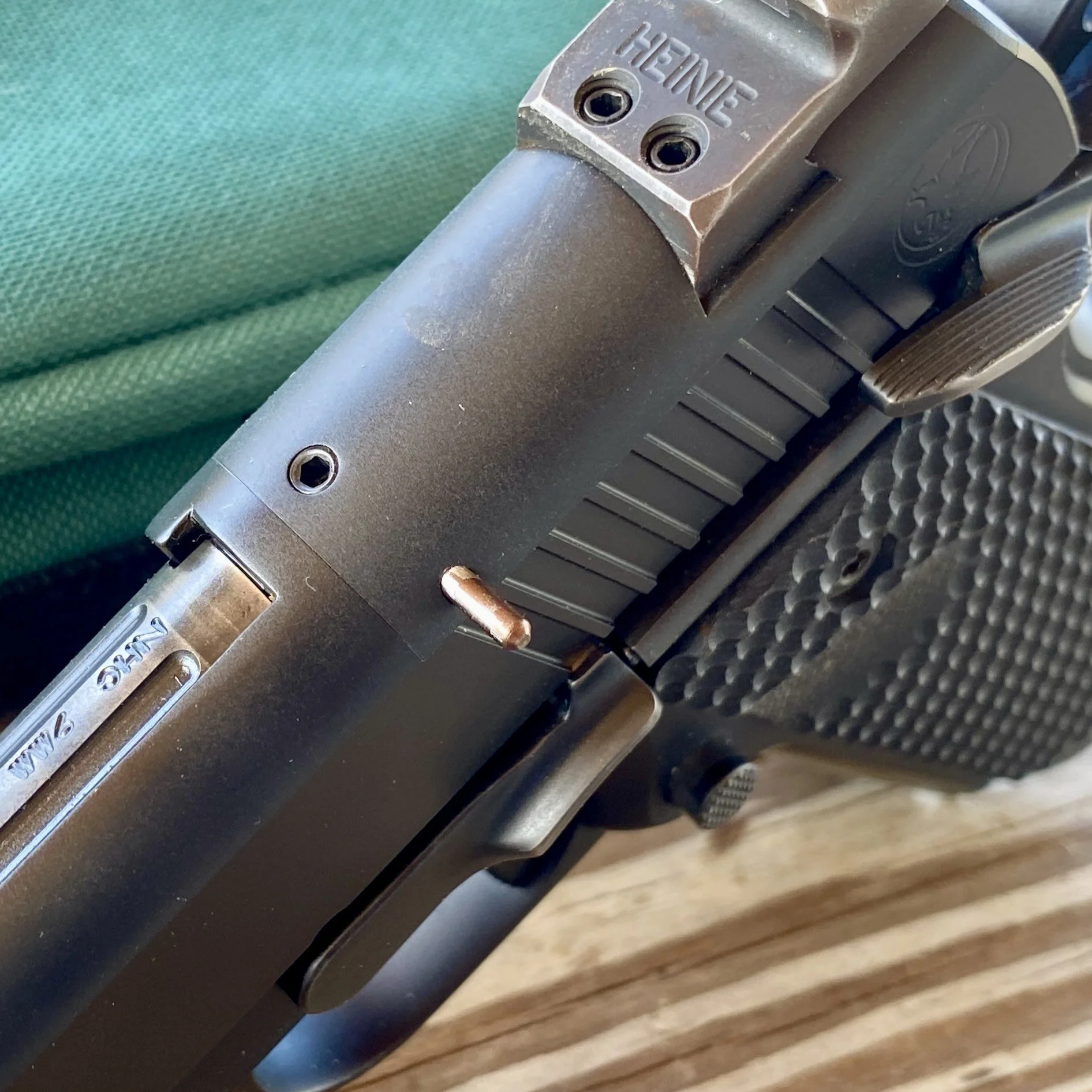
The plate utilizes a steel cross-pin to keep it from sliding off the back of the slide. The pin has a tight, friction-fit, and is held in by a set screw. This is an extremely strong setup with a lot of benefits. The plate also has an integrated rear sight. Depending on the optic the rear sight may be in front of or behind the optic.
Benefit: Optic/Iron Versatility
The IOS System is very versatile. It covers down on a wide array of optic footprints. Though plates aren't available for every footprint out there, the available plates cover the most popular optics on the market. The footprints for which plates are available are:
Trijicon RMR, the gold standard of footprints
Trijicon SRO
Shield RMSc, the gold standard of "small-format" footprints
Vortex Viper
Holosun 509T
Aimpoint ACRO
Leopold DeltaPoint Pro
This allows you a degree of future-proofing, which I like. The RMR is the bar-none gold standard of optics and optic footprints...for now. The Aimpoint COA was a disruptive release in optic-world. Who knows where it may go, or what might follow. In a decade the RMR might be a distant memory. With the IOS system there is plenty of room to create new plates as new optics become available.
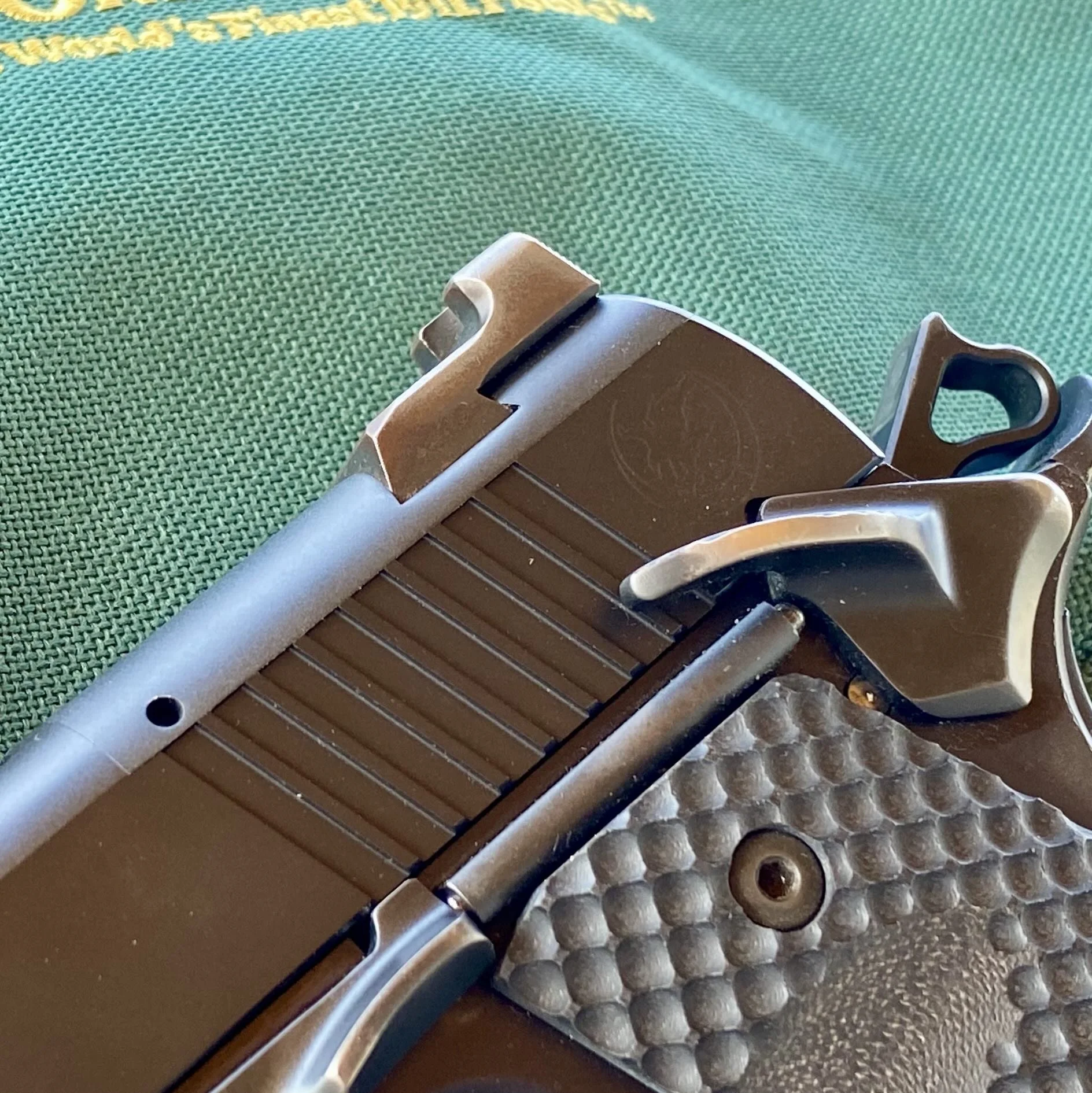
The fitment between the slide and iron sights plate was very tight. Though it shows up pretty well in this photo, in-person the seams are hard to find.
If things get apocalypse-level bad you can't get batteries. you can always switch back to irons. Much more likely, you can also swap irons back on the gun if you’re just learning optics. This IOS system is an awesome transitioning system. The iron-sight plate features an industry-standard Novak cut, so you can use just about any rear sight you want.
Benefit: Standard-Height Front Sights
Another amazing benefit of the Nighthawk IOS system is the ability to use standard-height front sights. I don't mind suppressor height sights in theory. Then again, I don't love their taller profile. It's more than an aesthetic thing; they are just more likely to snag on something. They also cost some extra coin if your gun doesn't come with them. A very few optic systems, however, offer a co-witness with regular sights and the IOS is one of them.
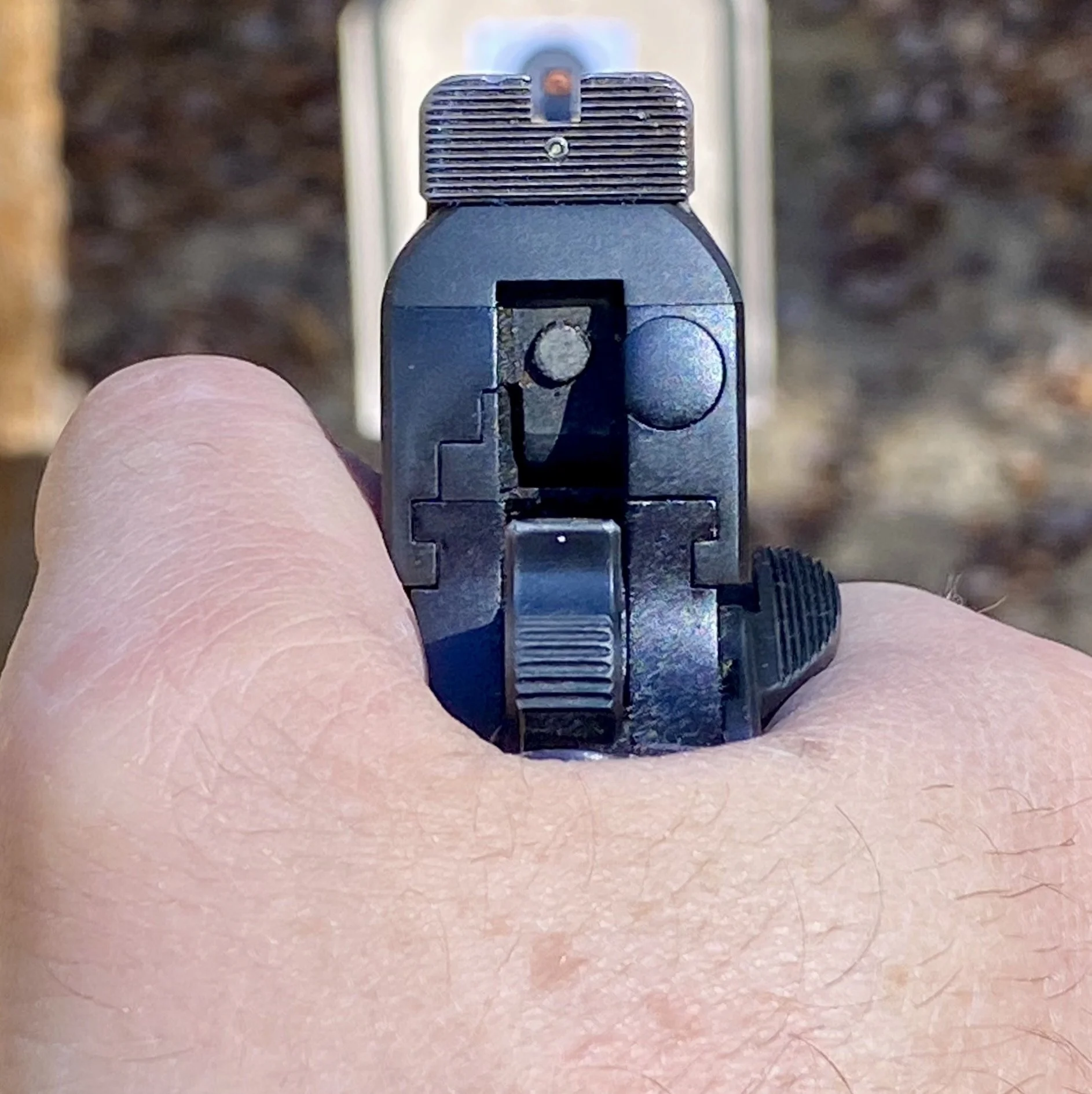
Being relieved of the requirement to swap out front sights is a very nice benefit of this optic system. It saves cost, aids in finding holster fits, and doesn’t require an ungainly extra-tall front sight.
The IOS takes advantage of the deep well of material at the rear of the 1911's slide. This material is generous enough to allow milling for the lug the plate attaches too, as well as plenty of room to drop the optic down low. Aside from allowing the use of lower-profile sights, it also gets the dot closer to the bore axis. There is one minor disadvantage to this deep cut. Lowering the back of the slide this much cuts into the firing pin stop.
Extremely Robust Mounting
Perhaps the biggest benefit of the Nighthawk IOS system is that it isn't dependent on screws to retain the optic plate. The IOS plate attaches to the gun via the extremely robust dovetail. The plate itself is Fully Machined from hardened billet steel. The mounting plate itself is very thick and - if looks count for anything - looks much stronger that other optic plates on the market.
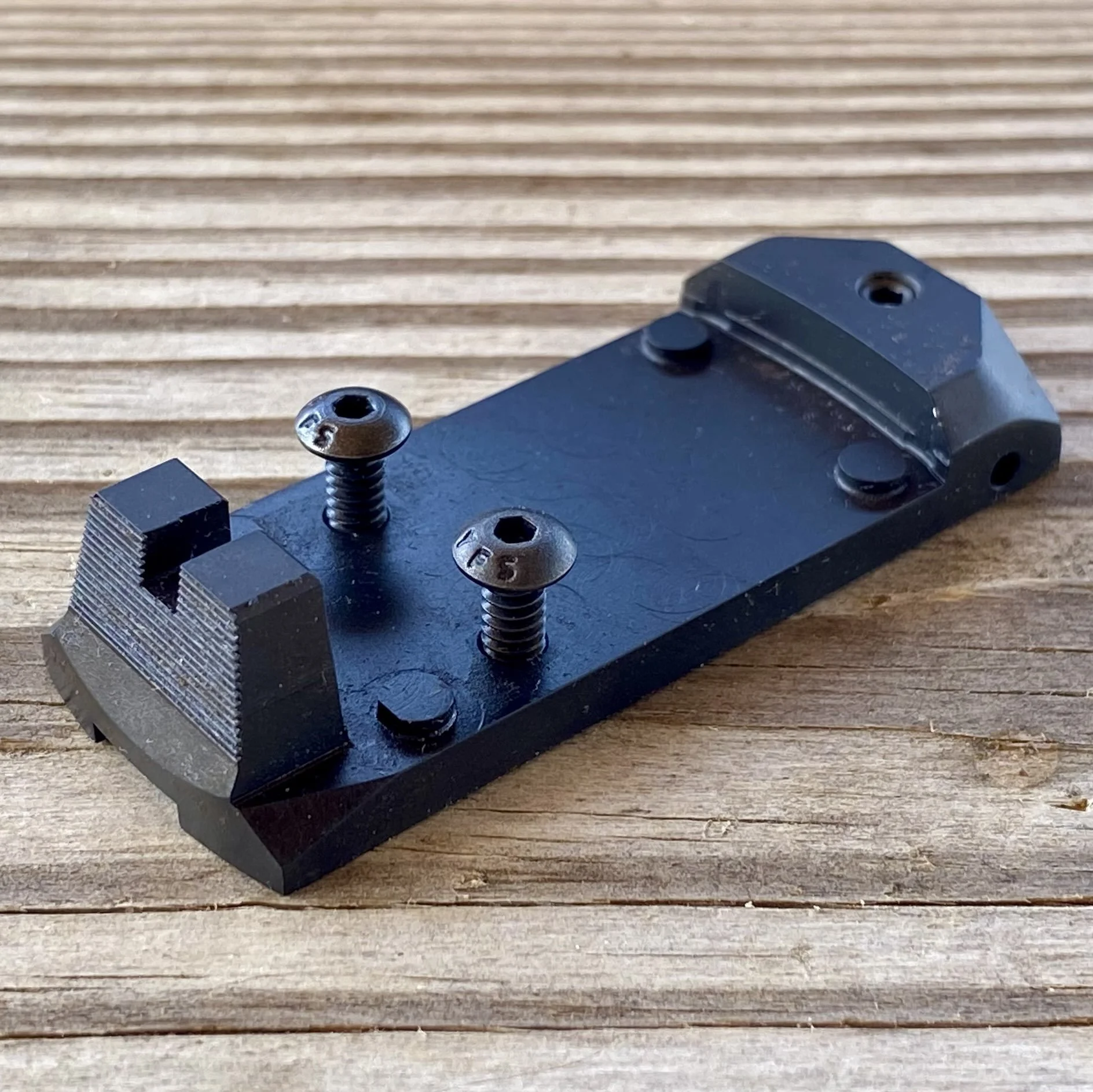
The plate is attached by the large dovetail and is retained by a steel retaining pin. There is very little in the plate itself to fail. Far more likely than the plate to fail are the screws that hold the optic to the plate. That’s half the screws of traditional optic mounting systems, including the Agency Arms Optic System (AOS) used on Springfield Armory 1911s. I am not knocking the AOS system, but screws are a common failure point on optics, and the IOS system has half as many. That’s a big win.
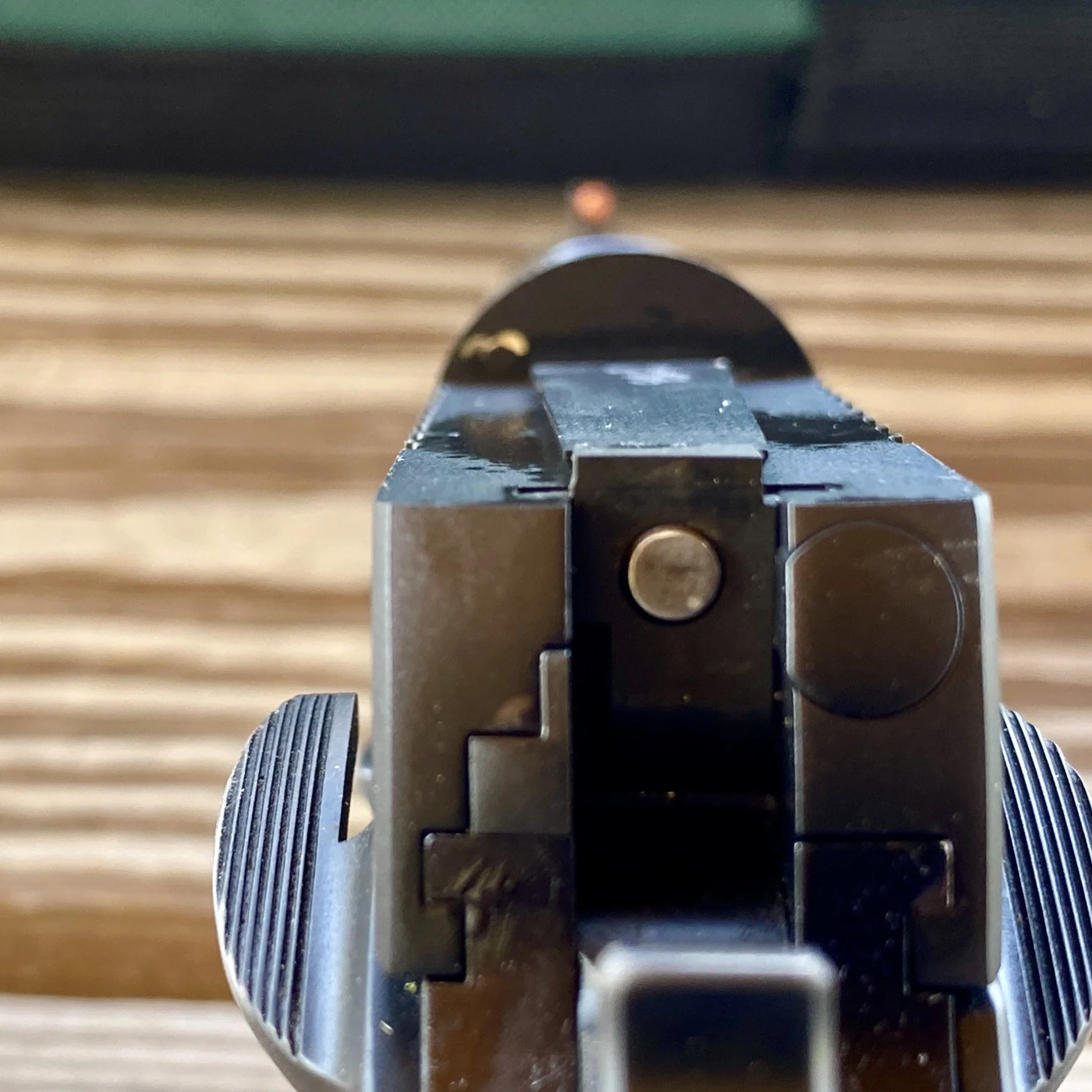
The retaining pin is held in by a set screw. This screw is under no mechanical load, and is only preventing the pin from sliding out. There is very little strain on this screw. In fact, if it were completely lost the optic wouldn’t loosen or come off until the retaining pin was lost. This is a bombproof system that removes a lot of variables.
Benefit: Return to Zero
One benefit of the IOS system is the ability to return to zero after removing and replacing the optic. There are many reasons you may need to remove the optic from the gun, including routine maintenance. Though I always advocate verifying zero after removing and replacing an optic, It is nice to know that if you get delayed for some reason, your zero is probably pretty good. I have removed and replaced my optic twice since having the IOS system installed. It has returned to zero without fail both times.
Disadvantage: Sweat Infiltration
One very minor complaint I have about the IOS system is sweat infiltration between the slide and optic plate. This was a much smaller issue than I anticipated, however. I wore this gun with an optic from March to October before removing the plate. When I removed it in October to test return to zero (and check for rust) there was a very small amount of surface rust. This was easily corrected with some oil and and a brush. I also added a good bit of oil to the slide before putting the optic plate back on. Honestly I don’t find this a big deal, but it’s worth pointing out.
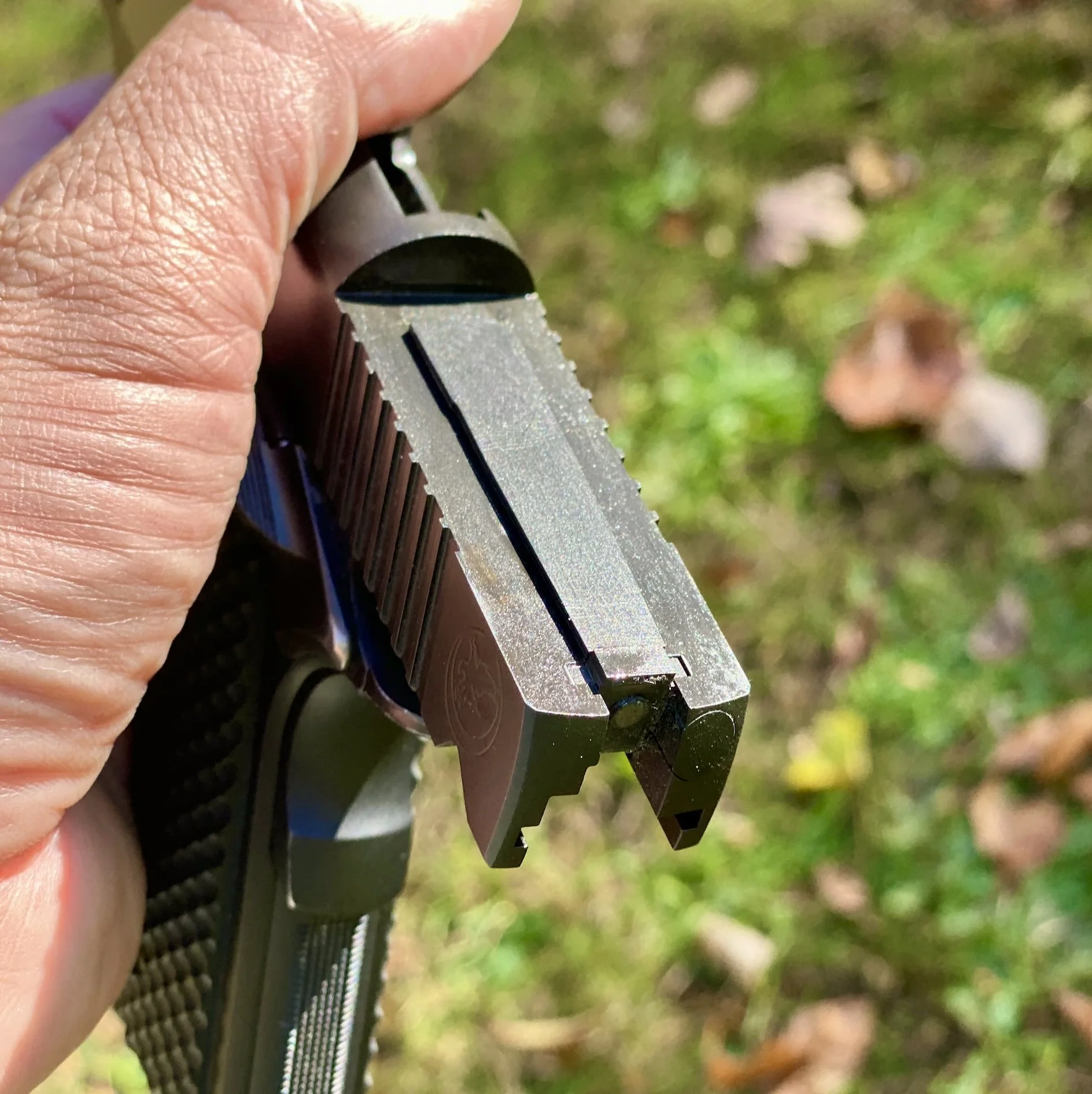
When I took the optic off in October 25 (after daily carry it since March of the same year), there was the slightest bit of surface rust under the plate. It was on the side of the gun that is constantly in contact with my body. Not idea., but not a show-stopper either.
Disadvantage: Non-Standard FP Stop
Another very small disadvantage of the IOS system is that the firing pin stop is non-standard. It has to be cut to match the rear of the dovetail that the mounting plate slides on it. The firing pin stop is not a very high-wear item. Of course there is always the possibility that it will be lost. so having a spare is a really good idea. Again, this is a very small disadvantage, but I would be remiss if I didn’t mention it.
Closing Thoughts
I was a reluctant adopter of pistol-mounted optics. Once I went in I realized what I was missing and I am a huge fan now. I will likely write an article on the advantages I perceive in using a pistol-mounted optic. For now though, I will just say that I really like them and if I were going to have a 1911 cut for an optic, it would be with the Nighthawk IOS system. With a cost starting around $450 (and going up if you require slide refinishing, etc.) I wish they would license this out to a cheaper vendor. I also sincerely wish that other 1911 makers could use this amazing system - it truly is the best thing out there.
My experience with this has been great. I sent the gun off to Nighthawk via my FFL after requesting a quote from them. Within about six weeks the gun was back in my hands. I immediately mounted the Sig Romeo X Compact Enclosed. I have run the gun with this optic and mounting system as my every day carry (EDC) for the intervening ten months. I have zero complaints whatsoever.
If you’re building a 1911 for serious use, I think you should consider putting an optic on it. And if you’re considering putting an optic on a 1911, the Nighthawk IOS system is the best thing going, without a doubt.