AAR: NTOA Hostage Rescue Tactics Class
I recently spent a week at the NTOA Hostage Rescue Tactics class. This after action review gives my thoughts and opinions on the class.
My agency paid my tuition, lodging, and other costs to attend this class. Other than receiving a membership subsequent to attending, I have no affiliation with NTOA. This review was not coordinated with NTOA in any way, and I received no financial incentive for a favorable review. This is my unbiased opinion. This article contains Amazon affiliate links. Using these links gives us a small commission but costs you nothing. Please consider using our Amazon link to support this blog.
National Tactical Officer’s Association
If you’re unfamiliar, the NTOA is a non-profit organization dedicated to, according to their website, “enhancing the professionalism and capabilities of law enforcement officers through innovative training, resources, and advocacy.” NTOA offers a number of training classes in both in-person and online formats to support law enforcement professionals. A sampling of classes from their incredibly deep catalog includes Basic SWAT, High Risk Warrant Service, Sniper Instructor Development, Basic and Advanced Crisis Negotiations and plenty more.
Classes aren’t inexpensive, but they are available all over the country. There are some other minor benefits to NTOA membership, but the training seems to be the main draw. Your membership cost will effectively be rolled into the first class you sign up for. My agency sent me to this class and paid me to be there, so I had no personal investment at all.
NTOA Hostage Rescue Tactics
I’m going to refrain from going too deep in the weeds on the curriculum here. This isn’t top secret stuff or anything, but I want to respect NTOA’s curriculum, and preserve some of the tactics, techniques, and procedures used in hostage situations, for those situations. I will attempt to give you a general rundown of the class, in case your trying to decide whether or not to go. The class was five days/40 hours long.
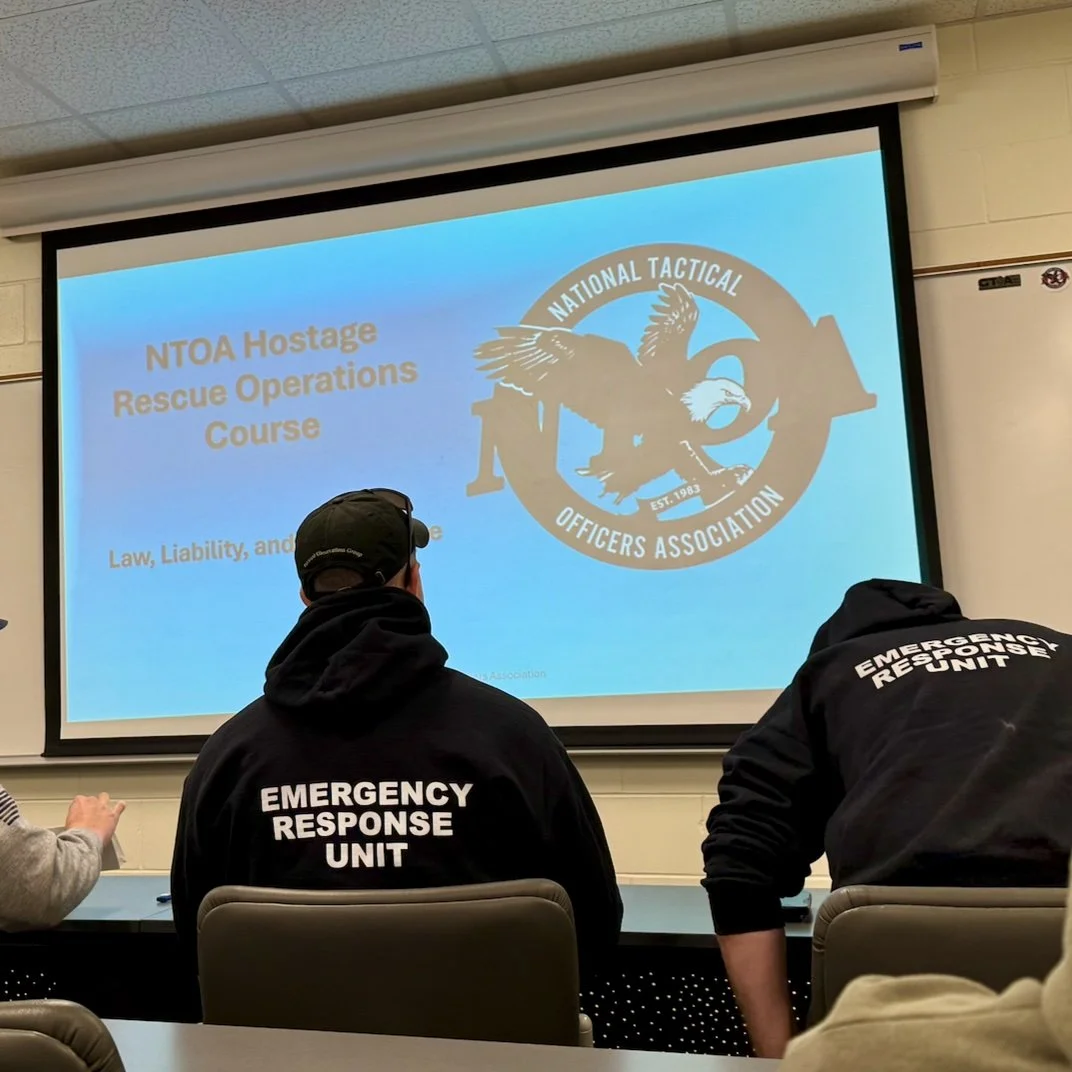
There were thirty students in the class. One local group had five or six students, and one traveling group brought four. Most groups had two or three operators, and a couple sent a singleton. They hailed from nearby counties, or far away states. There were SWAT team members from the home state of Georgia (including state and local guys), California, North Carolina, North Dakota, Ohio, Pennsylvania, Vermont, and Virginia. By my count at least 10 agencies were represented, ranging from full-time, big-city teams to small, local collateral-duty teams like mine.
Cost for the class was $800. Graduating requires attendance in the course, and passing a written exam at the end of the class.
The Venue: GPSTC
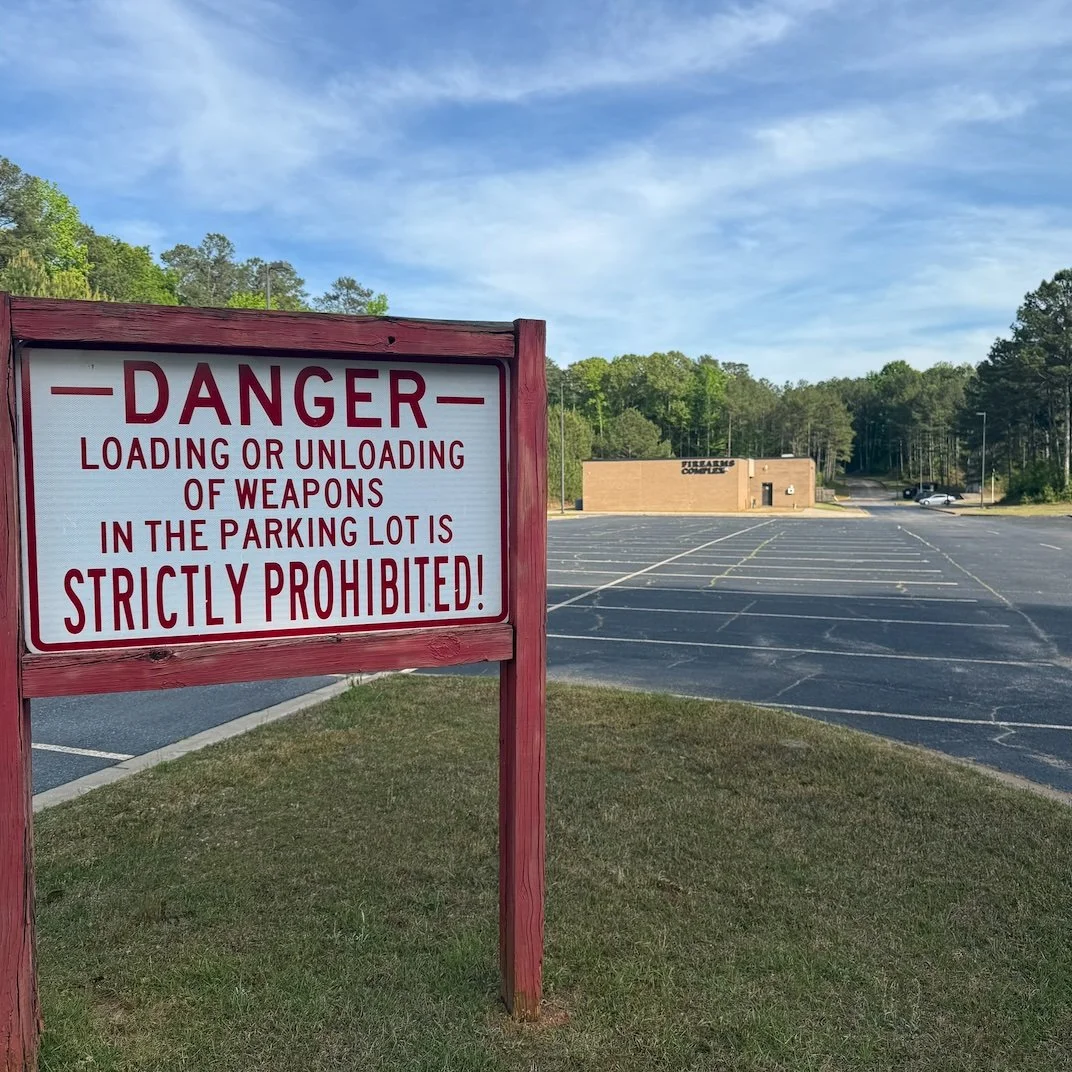
Though NTOA classes are held all over the country, this class was held at the George Pubic Safety Training Center (GPSTC). Located in Forsyth, GA, the GPSTC is home to various academies including a fire academy, Georgia’s basic law enforcement training, and the Georgia Bureau of Investigation and Georgia State Patrol academies.
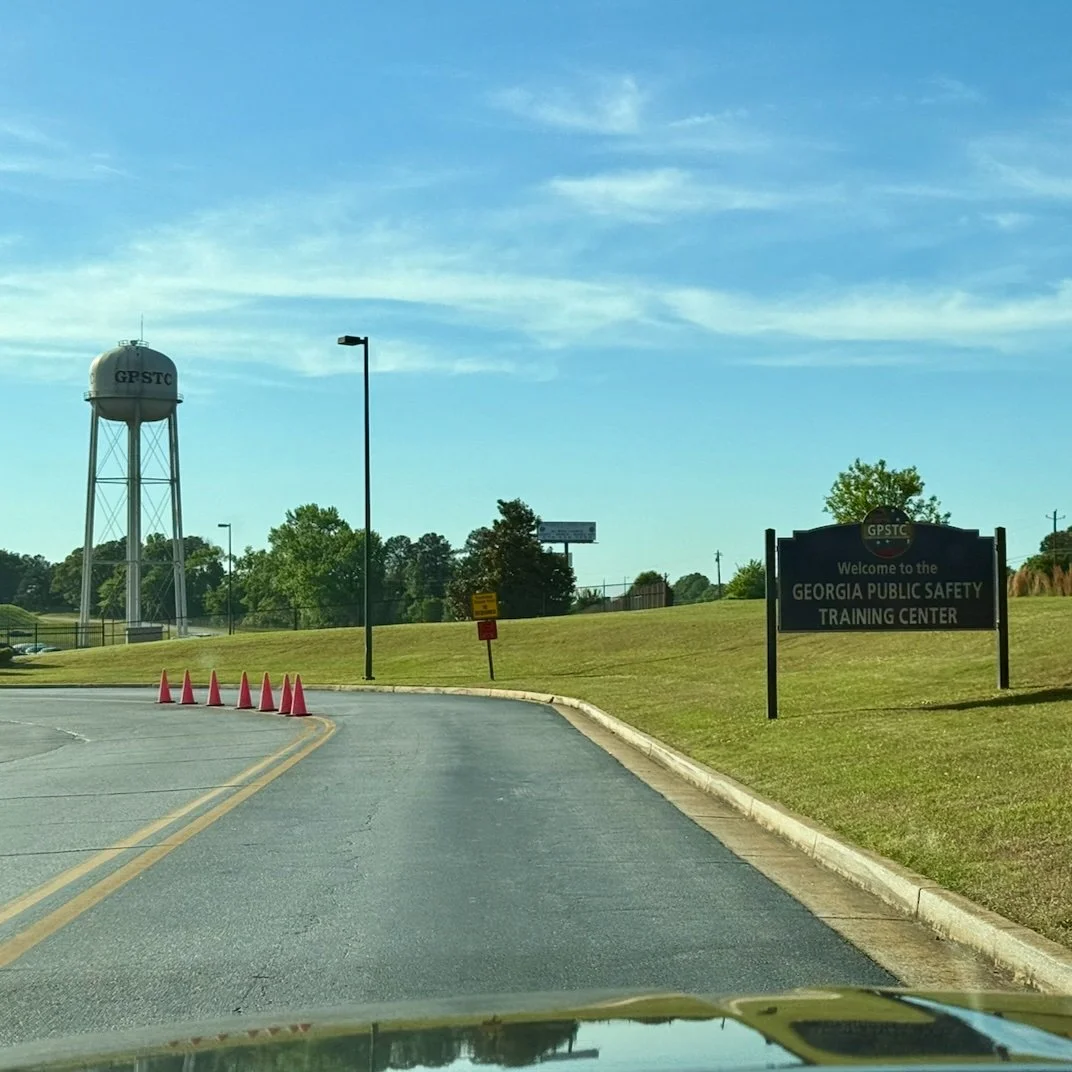
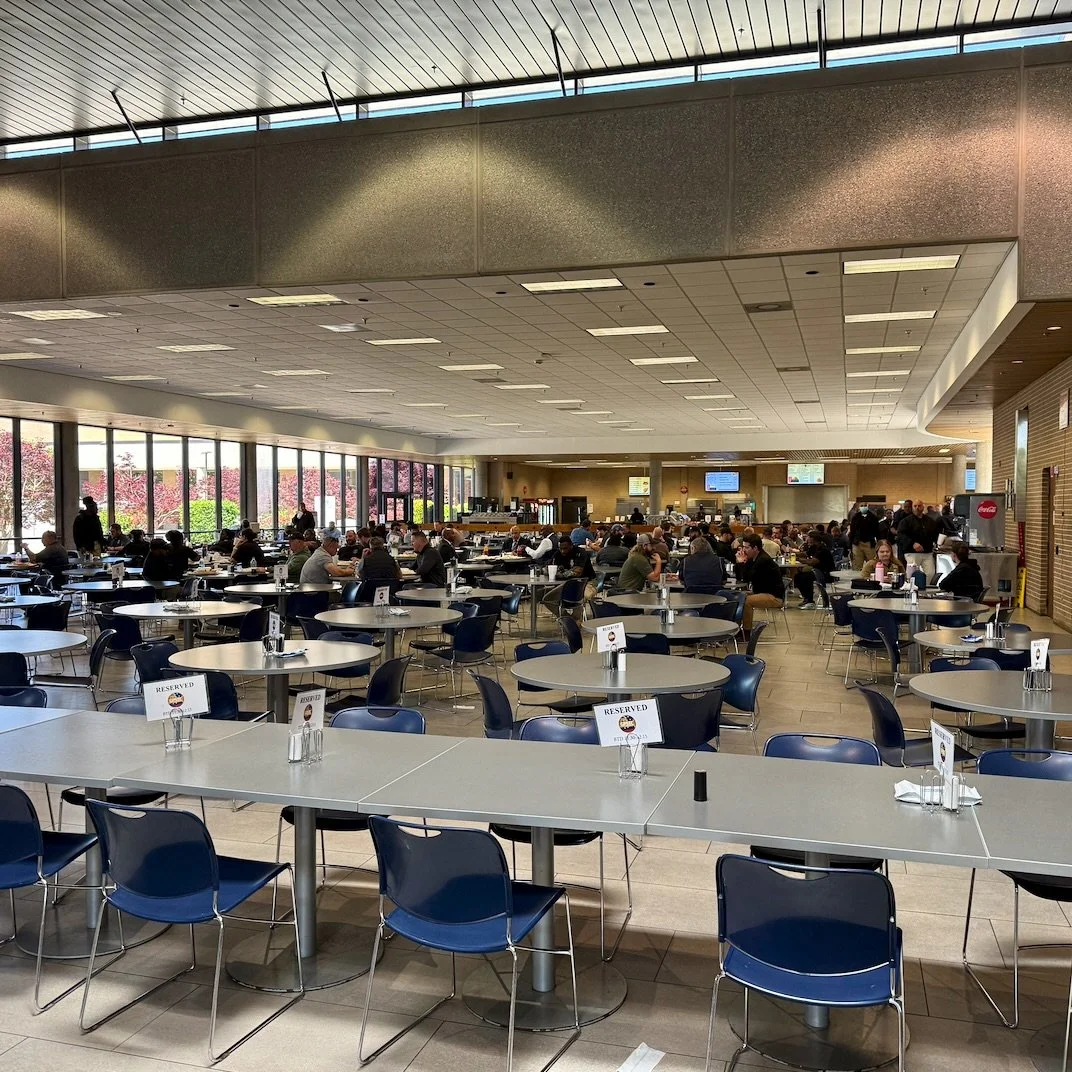
The facility is 1,200 acres, houses multiple ranges and shoothouses, an impressive driving track, a barracks (that I and the other attendee from my agency stayed in), numerous classrooms, a massive chow hall, and a prison. As I understand it, the GPSTC is free for all Georgia law enforcement agencies to use, though it is also my understanding it books up far in advance. It is an incredible training location with capabilities I can only dream about at my agency.
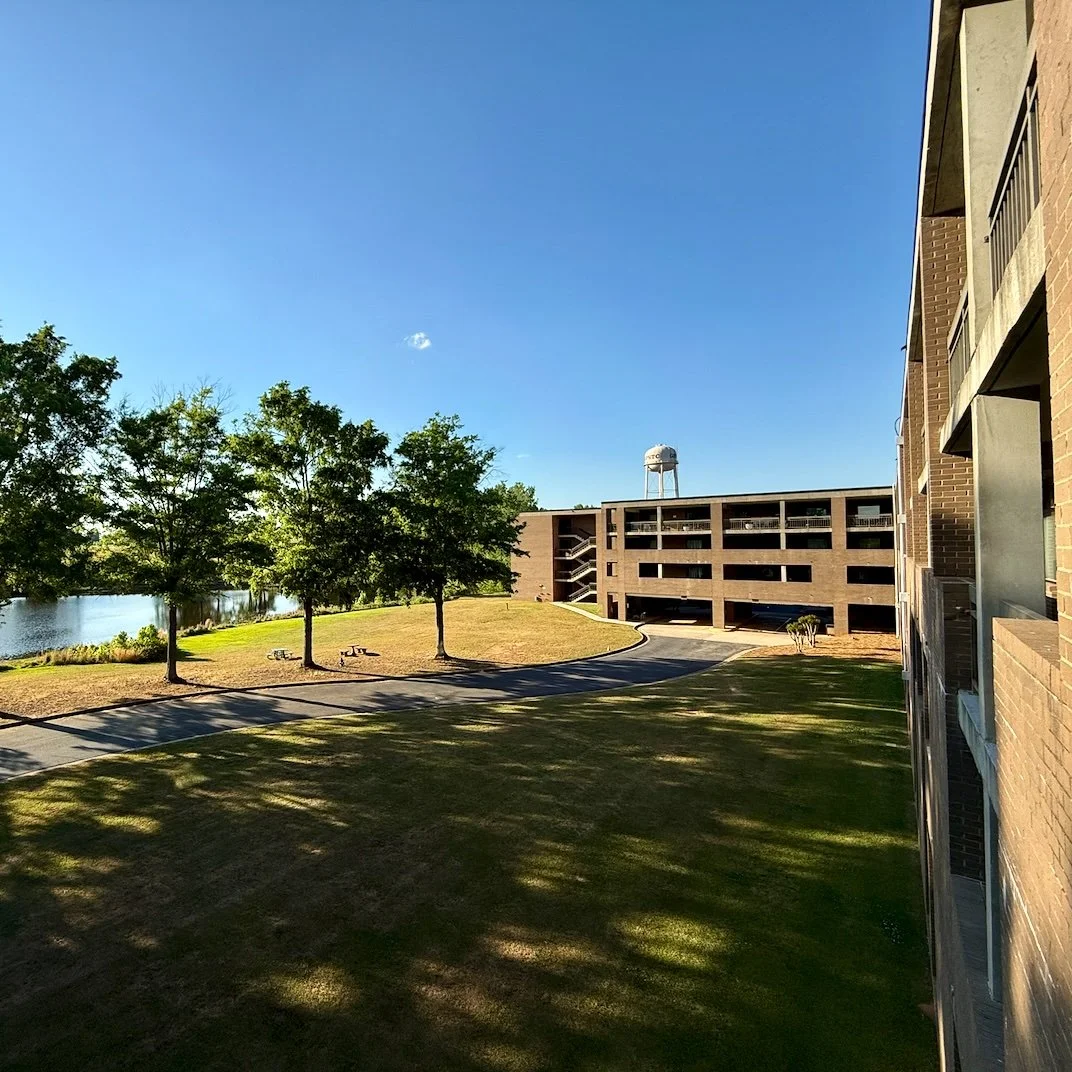
Staying at the GPSTC was almost like being in the military again…in a good way! As much as I hate to say it, I rather enjoyed the distraction-free barracks life. I got up every morning and worked out before class. Then I went to class, took notes all morning, wore my kit all afternoon, and was off in the afternoon in time for a ruck before leaving the base for dinner on the town. Not a bad way to make a living!
Training Days
Again, I’m not going to get too deep in the weeds with the stuff taught to protect TTPs. This isn’t about protecting cops. As hammered home in the class, during a hostage rescue the hostages have priority, and everything done is done in their best interest. I will give you a basic run-of-show, however.
Key Takeaway: I will also point out that this training was heavily scenario-based. There was no live fire and it was all conducted either dry or with Simmunition. Basic SWAT skills - like marksmanship, room entries, door procedures, breaching, etc. - were assumed knowledge and not taught. This allowed the class to tightly focus on concepts peculiar to hostage rescue.
Day One: The morning of day one was spent in the classroom. After introductions Jake, the lead instructor, covered the basic rundown of hostage rescue operations. This included the basic run of show and tasks and duties common to all hostage rescue situations. The afternoon was spent in a shoot house, in three groups, each with one of the instructors. Each group rotated through each instructor’s station. Here we just looked at two-man entries, door procedures, and other basic CQB tactics. With so many agencies providing students, this seemed to be to see where everyone’s strengths and weaknesses lay, and without explicitly saying so, get everyone on the same sheet of music. Successive days followed the same format.
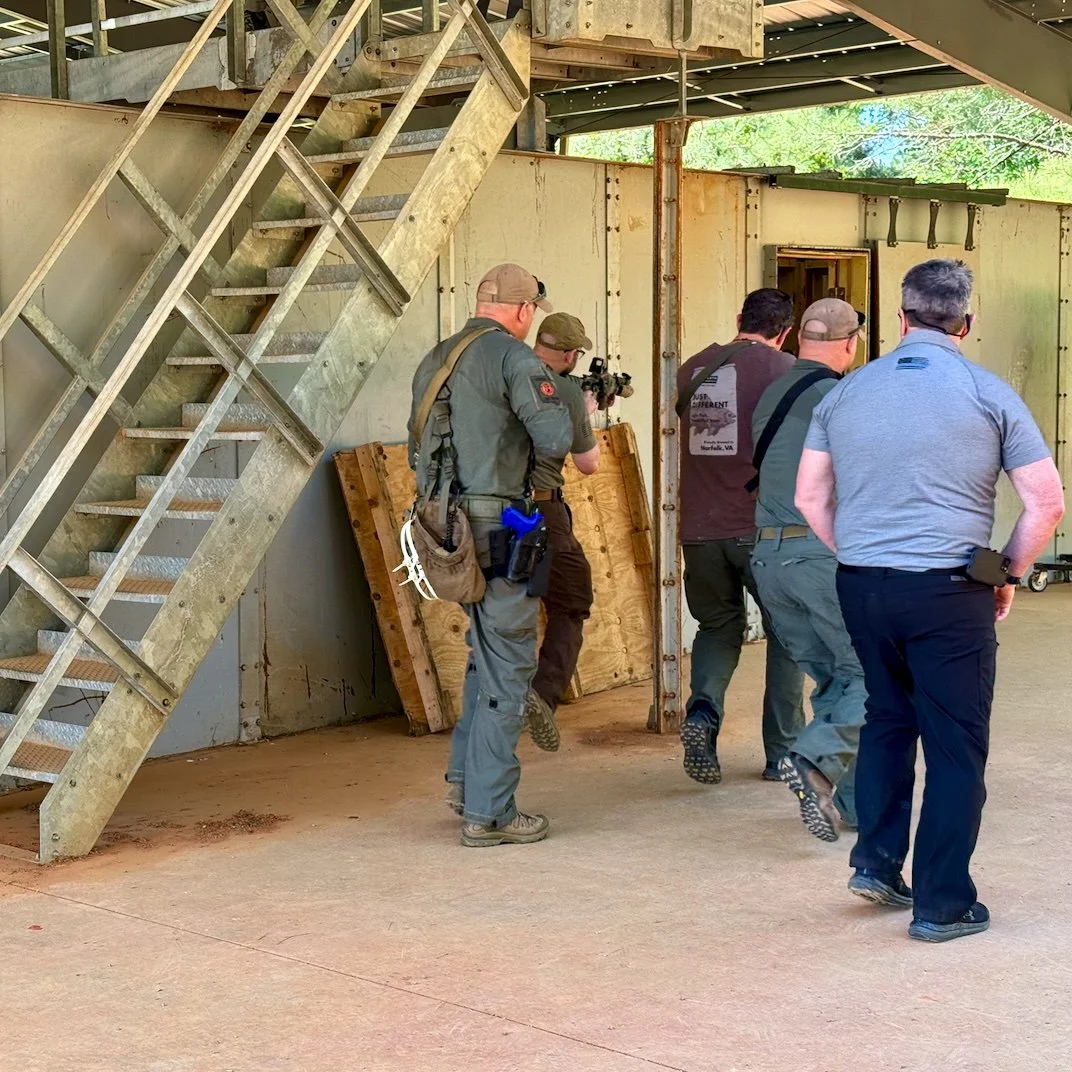
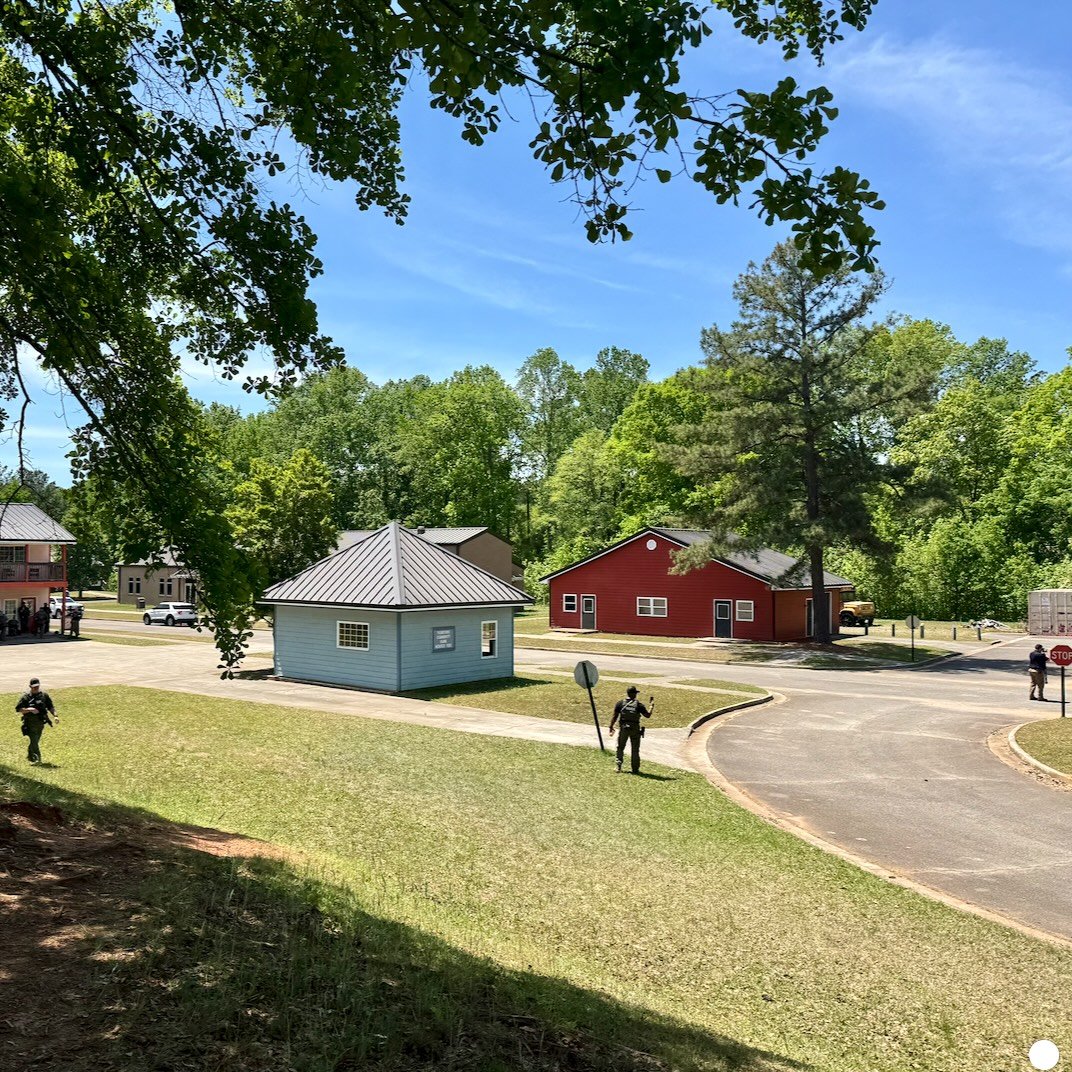
Day Two: The second day began in the classroom. This day began with something I would like to incorporate in my own future classes: we went around the room and talked about what we learned yesterday. I think this is an excellent way to get students thinking about what was covered the previous day. After that Derek lead off with a case study of a hostage rescue, followed by more lecture about integrating negotiators into hostage situations. in the afternoon we headed out to the mock village of Yourtown. Instead of two-man clears we split up into five-man teams. This allowed us to work in bigger elements and work with people from outside agencies.
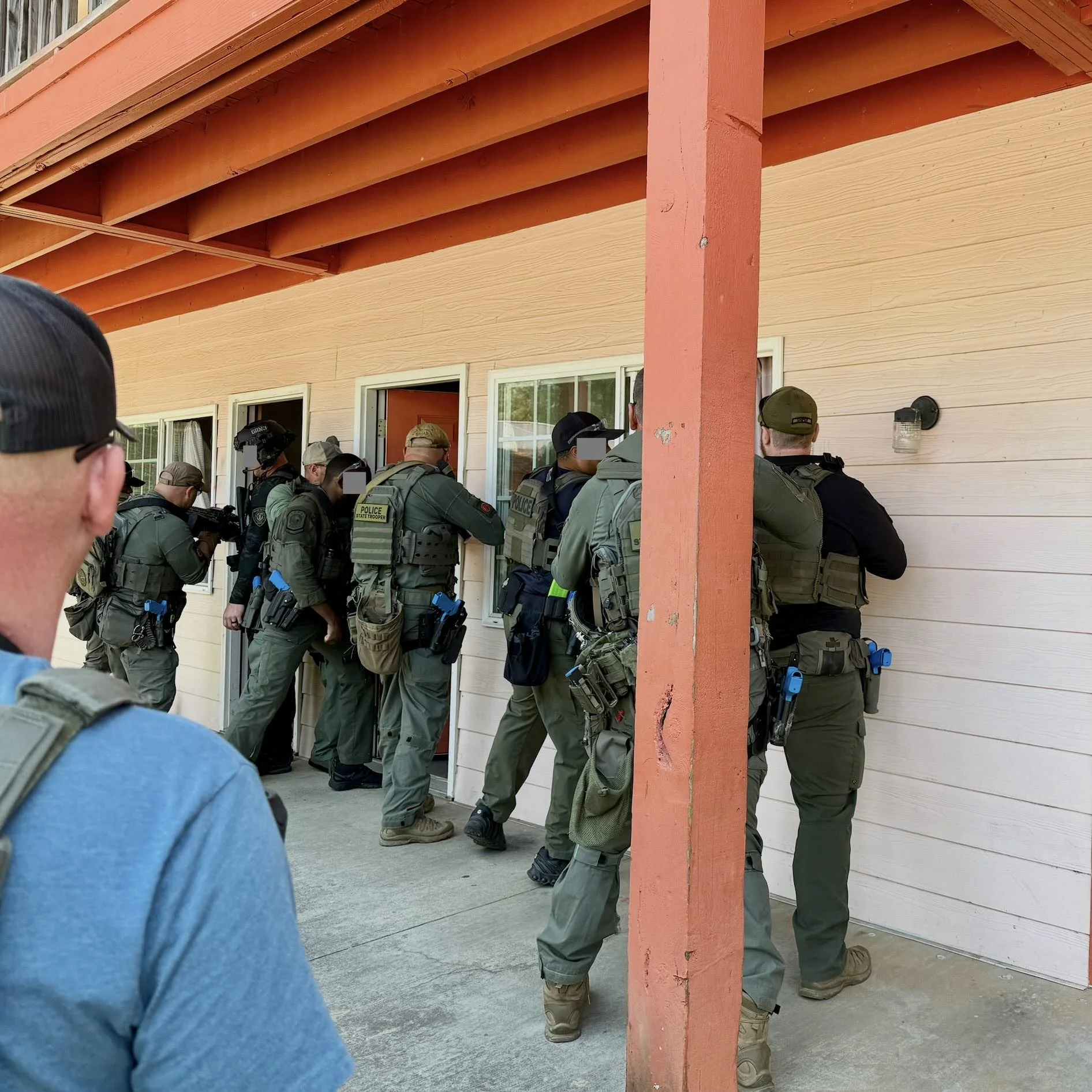
Days Three and Four: Mornings in the classroom as typical, then off to Yourtown. Things got still more complex in the afternoon. On the third day were broken into two fifteen-man teams and worked on breach-and-holds, multiple breach points, and more. There was also, for lack of a better descriptor, a “tactical decision-making” lane this day that challenged everyone. On Day Four Students we worked more complicated scenarios, covered hostage situations on tubular platforms (buses), and more.
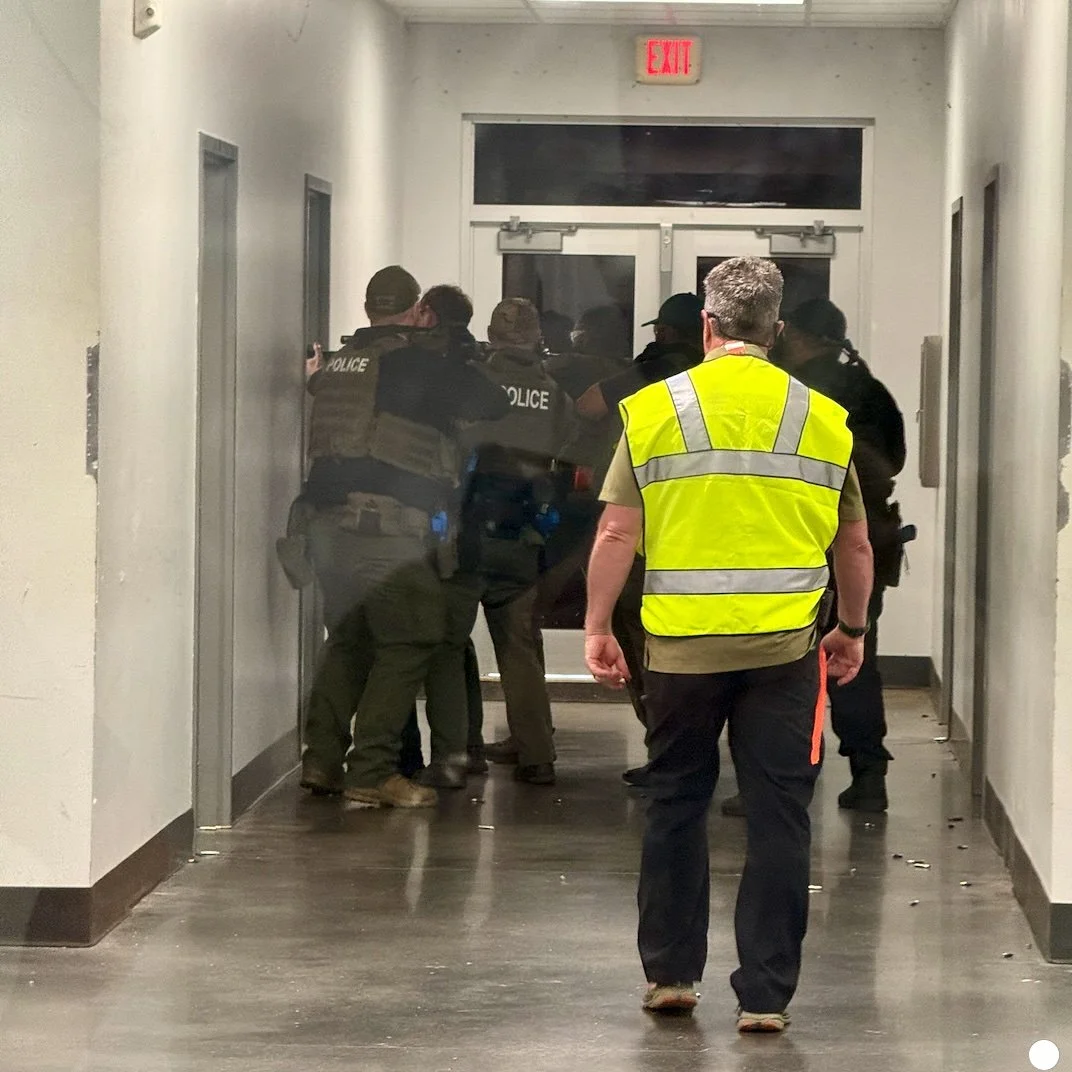
Dan supervises a group of students in a tactical decision-making lane.
Day Five consisted of two full mission profile style scenarios. The class was split in half, the scenarios (which were related and interplayed with each other) were run simultaneously. After the first iteration of the scenario was complete, the class reversed and ran it again. After that we took a class photo, wrote critiques of the class, and took the test. After that, we hit the road.
There are a couple of other topics I want to present about this class.
Instructor Professionalism
The thing that I was really excited to write about was the professionalism of the instructors. Jake, Derek, and Dan were incredibly professional, knowledgeable, and skilled in their craft. This presented in a number of ways throughout the training day.
On the first morning we went around the room and introduced ourselves. By lunchtime the first day, Jake had individually addressed most of the students in the room. Not only that, he had worked in some joking comment about something they said during introductions. This was one of the coolest things I’ve witnessed as a student in a class this large; it demonstrates that the instructor is paying attention and actually makes and effort and actually cares.
Each afternoon we split into three lanes with the various instructors, and rotated through each. At the end of each training day we would be asked, “did any instructor tell you anything that contradicted another instructor?” This conundrum is commonly encountered in classes like this, but I have never seen it addressed so straightforwardly. I will certainly integrate this into future classes that I teach when applicable. To the credit of the instructors and the curriculum, the answer was always silence; the instructors certainly seemed to all be on the same page.
Next, the instructors were incredibly positive about student performance. I think this is often missing in training classes; instructors can become so focused on telling students what they need to change that they forget to tell them what they are doing right. Rarely did an instructor miss an opportunity to tell a student they did a good job. I was told I did a good job in one case where took an action that was physically uncomfortable to the instructor due to a miscommunication. Initially and understandably he wasn’t too happy…but he made sure to tell me that with the information I had I did the right thing, and did a good job.
Next, the instructors were extremely knowledgeable and had plenty of experience to back up their instruction. Case studies were presented throughout the class. Nothing was theoretical or “I’ve heard…” Everything was validated through real-world experience. The instructors all work (or worked) for very active SWAT teams and have done the thing they are teaching about.
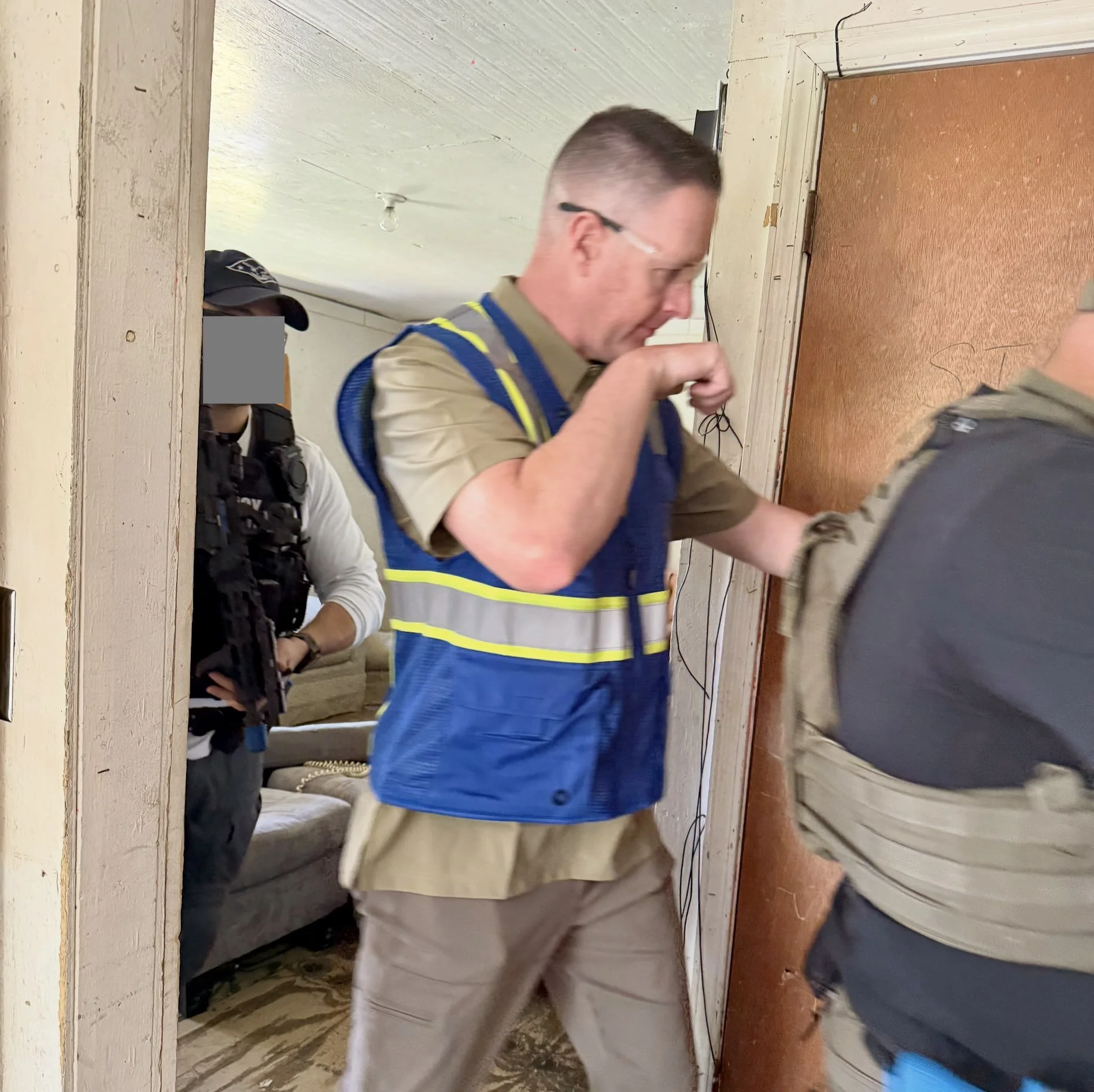
Derek runs through as an additional shooter in a training scenario.
Finally, time management was outstanding. I’ve written about this topic specifically before, and it is important to me. Class began on time and started promptly after breaks. At the end of the day there were no rambling debriefs that turned into half an hour of tangentially-related stuff; the instructors asked if anyone had questions and told us where to be the next morning. I sincerely appreciate that!
Safety
Safety is one other topic I want to touch on. Every law enforcement officer should realistically accept the risk of being killed on duty. Being killed in training is not something that we should have to worry about. Unfortunately, it happens far more often than it should. The instructors paid a lot of attention to safety in this class.
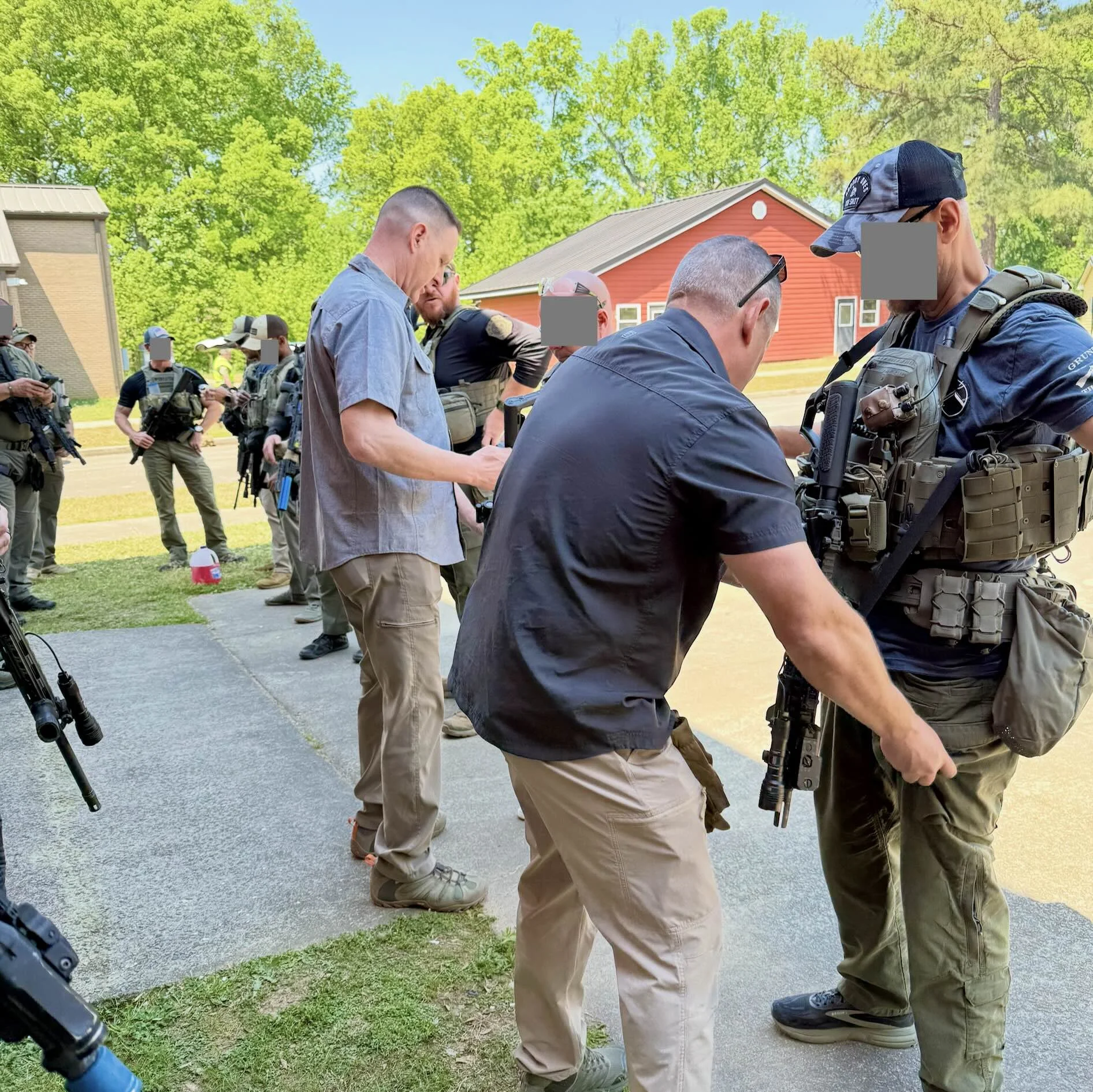
Jake and Derek search students prior to a practical training event.
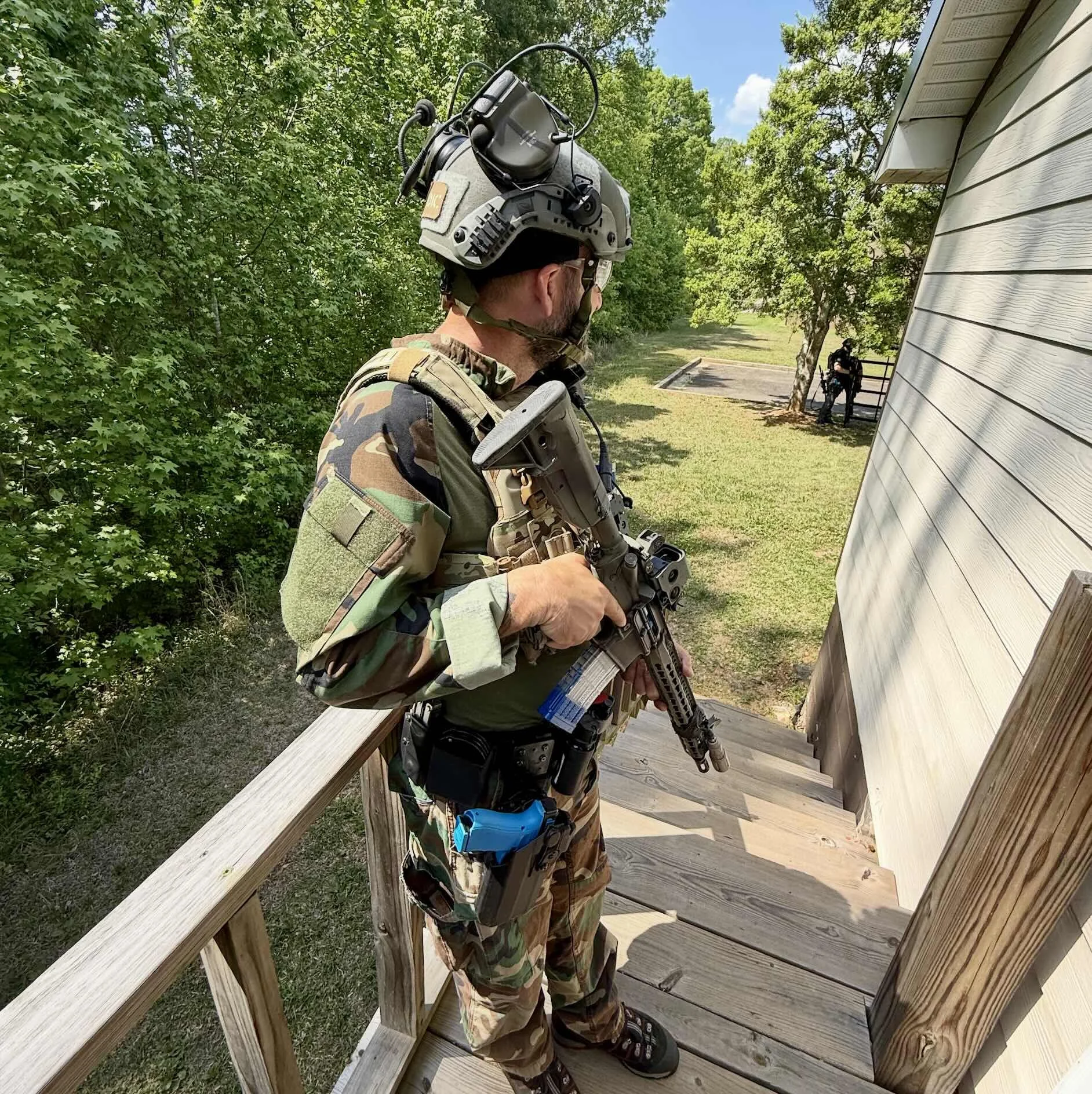
Before every practical event, there was a quadruple safety check. Students checked themselves, checked each other, and then were checked separately by two instructors. A Simmunition safety brief was given each day, and the use of PPE was enforced. No one had any doubt at all about safety during these training events.
Summary of NTOA Hostage Rescue Tactics
This was one of the best classes I’ve attended in a long time. The curriculum was outstanding. The delivery was professional and seasoned with a wealth of knowledge and experience. No time was wasted and the evolutions were run safely. Each student got individual attention, and the instructors found a way to blend guys from huge full-time teams to small town part-time outfits seamlessly, in a matter of minutes. I would unreservedly recommend this class to anyone who may have to perform a hostage rescue. I will also feel confident taking other NTOA classes in the future…though they have some big shoes to fill.